

 NHDR Dual Cross Relief Valves play a crucial role in meeting CSA standards. These valves ensure that hydraulic equipment remains compliant for export to North America. Their design reflects a commitment to safety and reliability, making them essential for various hydraulic applications.
Key Takeaways
- NHDR Dual Cross Relief Valves are essential for regulating pressure in hydraulic systems, preventing damage from over-pressurization.
- Compliance with CSA standards enhances safety, performance, and marketability, making these valves more attractive to customers.
- Manufacturers should engage in continuous improvement practices to maintain compliance and ensure the reliability of NHDR Dual Cross Relief Valves.
Overview of NHDR Dual Cross Relief Valves
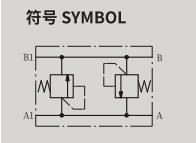
NHDR Dual Cross Relief Valves serve a vital function in hydraulic systems. These valves help regulate pressure and protect equipment from damage. They achieve this by allowing fluid to flow back to the reservoir when pressure exceeds a predetermined limit. This mechanism prevents over-pressurization, which can lead to system failures.
Key Features of NHDR Dual Cross Relief Valves:
- High Flow Rate: The NHDR valves can handle flow rates between 45 to 60 liters per minute. This capacity makes them suitable for various hydraulic applications.
- Operating Pressure: These valves operate effectively at pressures up to 25 MPa. This high operating pressure ensures they can withstand demanding conditions.
- Material Quality: The valve bodies are made from high-quality steel, treated with a white zinc coating. This treatment enhances durability and resistance to corrosion.
- Oil Cleanliness Standards: The NHDR valves meet stringent oil cleanliness standards, specifically NAS1638 class 9 and ISO4406 class 20/18/15. These standards ensure that the hydraulic fluid remains clean, promoting the longevity of the system.
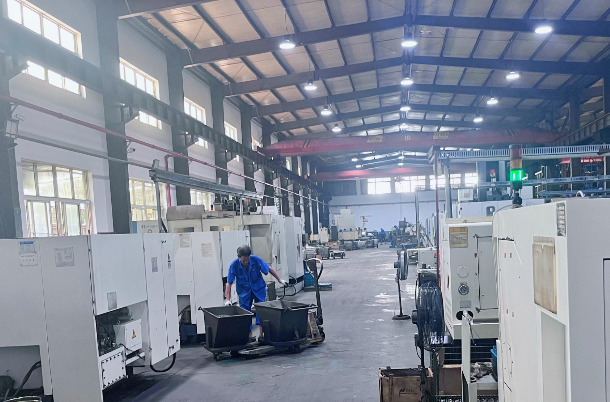
The design of NHDR Dual Cross Relief Valves reflects a commitment to innovation and excellence. The team at Ningbo Hanshang Hydraulic Co., Ltd. employs advanced 3D design software and rigorous testing methods. This approach guarantees that each valve meets high standards of reliability and performance.
CSA Standards Explained
The Canadian Standards Association (CSA) sets safety and performance standards for various products, including hydraulic equipment. These standards ensure that products meet specific safety requirements before entering the market. Compliance with CSA standards is crucial for manufacturers, especially those exporting to North America.
Key Aspects of CSA Standards:
- Safety: CSA standards prioritize user safety. They require manufacturers to design products that minimize risks during operation.
- Performance: These standards assess the performance of hydraulic components. They ensure that products function reliably under specified conditions.
- Testing: CSA standards mandate rigorous testing procedures. Manufacturers must conduct tests to verify that their products meet the required specifications.
Note: Compliance with CSA standards not only enhances product safety but also boosts marketability. Customers often prefer products that meet recognized safety standards.
For NHDR Dual Cross Relief Valves, adhering to CSA standards signifies a commitment to quality and reliability. This compliance reassures customers that the valves will perform effectively in various hydraulic applications. By meeting these standards, Ningbo Hanshang Hydraulic Co., Ltd. positions itself as a trusted supplier in the global market.
Compliance of NHDR Dual Cross Relief Valves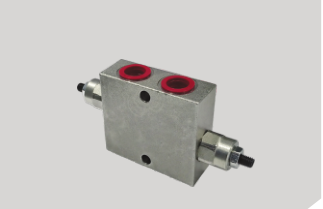
Compliance with CSA standards is essential for NHDR Dual Cross Relief Valves. This compliance ensures that these valves meet safety and performance requirements for hydraulic systems. Manufacturers must follow specific guidelines to achieve this compliance.
Key Compliance Factors:
- Design Specifications: NHDR Dual Cross Relief Valves must adhere to strict design specifications. These specifications include dimensions, materials, and performance criteria. The design process involves rigorous testing to ensure that the valves can withstand high pressures and flow rates.
- Material Quality: The materials used in NHDR Dual Cross Relief Valves play a crucial role in compliance. High-quality steel with a protective zinc coating enhances durability. This quality ensures that the valves resist corrosion and maintain performance over time.
- Testing Procedures: Manufacturers conduct extensive testing to verify compliance. This testing includes dynamic and static performance assessments. The NHDR valves undergo tests that simulate real-world conditions. These tests confirm that the valves function correctly under pressure and flow variations.
- Documentation and Certification: Proper documentation is vital for compliance. Manufacturers must maintain records of testing results and material certifications. This documentation provides proof of compliance with CSA standards. It also reassures customers about the reliability of NHDR Dual Cross Relief Valves.
- Continuous Improvement: Compliance is not a one-time effort. Manufacturers must engage in continuous improvement practices. This approach involves regularly reviewing and updating processes to meet evolving standards. By doing so, they ensure that NHDR Dual Cross Relief Valves remain compliant and competitive in the market.
Tip: Regular audits and reviews can help manufacturers stay ahead of compliance requirements. This proactive approach minimizes risks and enhances product quality.
Benefits of Compliance for NHDR Dual Cross Relief Valves
Compliance with CSA standards offers numerous benefits for NHDR Dual Cross Relief Valves. These advantages enhance safety, performance, and marketability in various applications.
First, safety remains a top priority. CSA-compliant NHDR Dual Cross Relief Valves protect hydraulic systems from pressure spikes. This protection safeguards both equipment and operators. The following table outlines specific safety benefits across different application areas:
| Application Area | Safety Benefit Description |
|---|---|
| Construction Equipment | Protects hydraulic systems from pressure spikes, safeguarding both the equipment and the operator. |
| Agricultural Machinery | Guarantees precise pressure control in hydraulic systems used for plowing, harvesting, and other processes. |
| Industrial Machines | Ensures optimal performance and safety in presses, injection molding machines, and metal forming equipment. |
In addition to safety, compliance improves performance. NHDR Dual Cross Relief Valves maintain consistent pressure control. This consistency leads to better efficiency in hydraulic systems. Manufacturers can trust that their equipment will operate reliably under various conditions.
Moreover, compliance with CSA standards enhances marketability. Customers often prefer products that meet recognized safety standards. This preference opens doors for manufacturers to expand their market reach. By offering compliant NHDR Dual Cross Relief Valves, companies can attract more clients and increase sales.
NHDR Dual Cross Relief Valves play a significant role in meeting CSA standards. Their advanced technology and versatility ensure optimal pressure regulation and system protection across various applications. Compliance enhances export opportunities and guarantees safety in hydraulic systems. These valves are essential for mobile equipment, agricultural machinery, and construction equipment.
Tip: Manufacturers should prioritize compliance to maintain a competitive edge in the global market.
FAQ
What are NHDR Dual Cross Relief Valves used for?
NHDR Dual Cross Relief Valves regulate pressure in hydraulic systems, preventing over-pressurization and protecting equipment.
How do NHDR valves ensure compliance with CSA standards?
Manufacturers design NHDR valves according to strict specifications, conduct rigorous testing, and maintain proper documentation.
What benefits do compliant NHDR valves offer?
Compliant NHDR valves enhance safety, improve performance, and increase marketability, making them attractive to customers.