

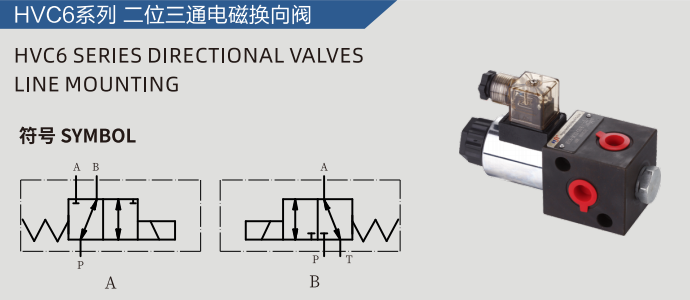
Achieve superior system performance and reliability with HVC6 directional control valves. These robust components ensure precise fluid management. Unlock the full potential of this valve for enhanced operational efficiency. Mastering your hanshang DIRECTIONAL VALVES reduces downtime and increases productivity. This guide helps you optimize your system.
Key Takeaways
- HVC6 valves control fluid in machines. They work best with correct setup and regular checks.
- Install HVC6 valves carefully. Check for damage and connect them right to avoid problems.
- Keep HVC6 valves working well with regular care. This includes checking fluid, changing filters, and fixing leaks quickly.
Understanding HVC6 Directional Control Valves
Key Features and Specifications of HVC6 Valves
HVC6 valves offer robust performance and reliable control. Manufacturers engineer them for line mounting applications. They utilize high-quality materials and precise manufacturing processes. This design ensures durability and withstands harsh operating conditions. HVC6 valves handle high pressures and continuous duty cycles effectively. Their construction minimizes pressure drop, which enhances overall system efficiency. This efficiency reduces energy consumption and operating costs.
Operating Principles of HVC6 Directional Control Valves
HVC6 DIRECTIONAL CONTROL VALVES manage fluid flow direction within hydraulic systems. They precisely control the movement of hydraulic actuators. These valves direct hydraulic fluid to specific ports, initiating or stopping motion. This precise control is crucial for applications requiring accurate movement and rapid response. The internal spool position determines the flow path, allowing for various operational states.
Common HVC6 Configurations and Their Applications
HVC6 valves integrate easily into existing hydraulic circuits. Their versatility makes them suitable for diverse applications. They find use in agricultural machinery, controlling implements and attachments. Construction equipment also benefits from their reliable operation in tasks like lifting and digging. Furthermore, industrial automation systems employ HVC6 valves for precise control of manufacturing processes. Their design supports various system configurations, making them a flexible choice for engineers.
Proper Installation for Optimal HVC6 Function
Pre-Installation Checks for HVC6 Valves
Before installing HVC6 valves, technicians must perform thorough pre-installation checks. They should inspect the valve for any signs of damage during shipping. Verify the valve’s model number matches system requirements. Ensure all ports are clean and free from debris. Contaminants can cause significant operational issues. Also, confirm the availability of all necessary mounting hardware and seals. Proper preparation prevents future complications.
Mounting and Connection Best Practices for HVC6 Directional Control Valves
Correct mounting ensures reliable operation for HVC6 DIRECTIONAL CONTROL VALVES. Install the valve in an accessible location for maintenance. Mount it securely to a rigid surface, preventing vibration. Use recommended torque values for all fasteners. Overtightening or undertightening can compromise seals or damage the valve body. Connect hydraulic lines according to the system schematic. Ensure proper port identification to avoid incorrect fluid routing. Use appropriate fittings and sealants to prevent leaks.
System Integration Considerations for HVC6 Valves
Integrating HVC6 valves into a hydraulic system requires careful planning. Consider the compatibility of the valve with the existing hydraulic fluid. Different fluids have varying viscosities and chemical properties. Ensure the system’s pressure and flow rates fall within the valve’s specifications. Incompatible parameters can lead to premature wear or failure. Proper filtration is also crucial. Install filters upstream of the HVC6 valve to protect it from particulate contamination. This proactive approach extends valve life and maintains system efficiency.
Operational Best Practices for HVC6 Longevity
Achieving maximum service life and consistent performance from HVC6 valves requires adherence to operational best practices. These methods ensure the valves function efficiently and reliably over time. Proper management of pressure, flow, and regular maintenance significantly impacts valve longevity.
Setting Correct Pressure and Flow for HVC6 Valves
Operators must set pressure and flow parameters accurately for HVC6 valves. Each HVC6 valve has specific operating limits. Exceeding these limits causes premature wear and potential failure. System designers specify optimal pressure settings to match application requirements. Technicians adjust pressure relief valves to maintain these set points. They also ensure the hydraulic pump delivers the correct flow rate. Insufficient flow can lead to sluggish operation. Excessive flow creates unnecessary heat and pressure drops. Regular calibration of pressure gauges and flow meters ensures accuracy. This practice prevents operational stress on the HVC6 valve components.
Tip: Always consult the HVC6 valve’s technical data sheet for recommended pressure and flow specifications. Operating within these guidelines extends valve life.
Monitoring HVC6 Directional Control Valve Performance
Continuous monitoring of HVC6 valve performance helps identify potential issues early. Operators should observe valve response times. A slow or inconsistent response often indicates a problem. They also listen for unusual noises, such as humming or chattering. These sounds can signal internal wear or cavitation. Temperature monitoring is crucial. Excessive heat in the valve body or hydraulic fluid suggests inefficiency or internal leakage. Pressure readings across the valve provide insights into its internal condition. A significant pressure drop across a fully open valve might indicate internal obstruction. Regular data logging of these parameters creates a baseline for comparison. This allows for proactive maintenance rather than reactive repairs.
Routine Maintenance Schedule for HVC6 Valves
A well-structured routine maintenance schedule is vital for HVC6 longevity. This schedule includes several key tasks.
- Fluid Analysis: Regularly test hydraulic fluid for contamination and degradation. Contaminated fluid is a primary cause of valve wear.
- Filter Replacement: Replace hydraulic filters according to manufacturer recommendations. Clean fluid protects internal valve components.
- Leak Checks: Inspect the HVC6 DIRECTIONAL CONTROL VALVES for external leaks. Even minor leaks can indicate seal degradation or loose connections.
- Fastener Torque Checks: Periodically verify the torque of all mounting bolts and port connections. Vibrations can loosen fasteners over time.
- Spool Movement Checks: Manually cycle the valve spool if possible, ensuring smooth, unrestricted movement. This helps prevent sticking.
Adhering to this schedule prevents minor issues from escalating into major failures. It also maintains peak operational efficiency.
Troubleshooting Common HVC6 Issues
Even with proper installation and maintenance, HVC6 valves can sometimes develop operational problems. Identifying and addressing these issues promptly prevents further damage and minimizes downtime. Technicians must understand common symptoms and their underlying causes.
Identifying HVC6 Performance Degradation
Operators often notice performance degradation through several key indicators. A hydraulic system might exhibit reduced speed or inconsistent movement. This suggests the HVC6 valve is not directing fluid efficiently. Increased noise, such as a humming or chattering sound, can also signal internal issues. Excessive heat generation around the valve body indicates internal leakage or increased friction. A pressure gauge might show fluctuating readings or a significant pressure drop across the valve. These signs collectively point to a need for further investigation.
Diagnosing Leakage Problems in HVC6 Directional Control Valves
Leakage is a common issue affecting HVC6 DIRECTIONAL CONTROL VALVES. External leaks are visible and typically stem from worn seals, loose fittings, or damaged valve bodies. Technicians should visually inspect all connections and the valve exterior for fluid traces. Internal leaks are less obvious but equally problematic. They occur when fluid bypasses the intended path within the valve, often due to a worn spool or bore. A system that loses pressure or struggles to hold a load, despite no visible external leaks, often indicates internal leakage.
Addressing Sticking or Sluggish HVC6 Operation
A sticking or sluggish HVC6 valve can severely impact system responsiveness. Contamination in the hydraulic fluid is a primary cause. Dirt, debris, or sludge can impede spool movement. Incorrect fluid viscosity also contributes to sluggishness; fluid that is too thick or too thin affects valve response. Mechanical issues, such as a bent spool or damaged spring, can also prevent smooth operation. Flushing the system, replacing filters, and ensuring correct fluid specifications often resolve these issues. In some cases, disassembling and cleaning the valve or replacing damaged components becomes necessary.
Advanced Optimization Techniques for HVC6 Valves
Operators can elevate HVC6 valve performance beyond standard operation. Advanced optimization techniques unlock greater precision, efficiency, and reliability. These methods involve fine-tuning, system integration, and proactive maintenance strategies. They ensure HVC6 valves deliver peak performance in demanding applications.
Fine-Tuning HVC6 Directional Control Valves for Specific Applications
Fine-tuning HVC6 valves allows operators to customize their response for unique application demands. This process involves adjusting various parameters to achieve optimal performance. Operators can modify flow restrictors to control actuator speed. They adjust pressure settings to match load requirements precisely. This prevents excessive force or insufficient power. Response time adjustments ensure the valve reacts quickly or smoothly, depending on the task. For example, a fast response suits rapid cycling operations. A slower, more controlled response benefits delicate positioning tasks. These precise adjustments minimize energy waste and improve process accuracy. They ensure the HVC6 valve performs its function with maximum efficiency.
Tip: Document all fine-tuning adjustments. This creates a baseline for future reference and troubleshooting.
Integrating HVC6 Valves with Control Systems
Integrating HVC6 valves with modern control systems enhances automation and precision. This involves connecting the valve’s electrical interface to a Programmable Logic Controller (PLC) or Distributed Control System (DCS). These systems send precise electrical signals to the HVC6 valve, dictating its spool position. Feedback loops, often using position sensors, provide real-time data to the control system. This allows for continuous monitoring and adjustment. Such integration enables complex motion profiles and synchronized movements across multiple actuators. It also facilitates remote operation and diagnostic capabilities. This level of control significantly improves system responsiveness and overall operational consistency.
Predictive Maintenance Strategies for HVC6 Valves
Predictive maintenance moves beyond routine schedules. It anticipates potential failures before they occur. This strategy involves continuous monitoring of HVC6 valve health using various sensors. Pressure transducers, temperature sensors, and vibration monitors collect critical data. Analysts then use this data to identify trends and anomalies. For example, a gradual increase in operating temperature might indicate internal wear. A change in pressure drop could signal contamination. Software algorithms analyze these patterns, predicting when a component might fail. This allows maintenance teams to schedule interventions proactively. They replace parts during planned downtime, avoiding unexpected breakdowns. Predictive maintenance maximizes HVC6 valve uptime and reduces overall maintenance costs.
Maximizing Efficiency and Reducing Downtime with HVC6 Valves
Achieving peak performance and minimizing interruptions requires strategic approaches. Operators must focus on proactive measures. These strategies ensure HVC6 valves contribute optimally to system operations.
Impact of Regular Servicing on HVC6 Performance
Regular servicing significantly enhances HVC6 valve performance. It prevents premature wear of internal components. Technicians replace worn seals and inspect critical parts during service. This proactive maintenance maintains the valve’s precise control capabilities. It also ensures consistent fluid flow and pressure regulation. Servicing extends the operational lifespan of HVC6 valves. This reduces the frequency of costly replacements. Ultimately, regular servicing contributes to sustained system efficiency and reliability.
Spare Parts Management for HVC6 Directional Control Valves
Effective spare parts management is crucial for minimizing downtime. Facilities should maintain an inventory of essential HVC6 valve components. These include seals, springs, and spools. Having these parts readily available allows for quick repairs. It prevents extended periods of equipment inactivity. An organized spare parts system ensures technicians can locate and install necessary components promptly. This proactive approach reduces repair times and keeps operations running smoothly.
Training for Operators and Technicians on HVC6 Valves
Comprehensive training empowers operators and technicians. They learn proper HVC6 valve operation techniques. Training covers correct installation, adjustment, and troubleshooting procedures. Skilled personnel can identify potential issues early. They perform routine maintenance tasks accurately. This knowledge prevents operational errors and extends valve life. Well-trained teams maximize the potential of HVC6 valves. They contribute to overall system efficiency and safety.
Implement these strategies for peak HVC6 performance. They ensure your HVC6 DIRECTIONAL CONTROL VALVES operate efficiently. Drive efficiency and reliability in your operations through HVC6 mastery. This expertise provides a competitive advantage in hydraulic systems. Businesses achieve superior results and minimize downtime.
FAQ
What is the primary function of an HVC6 directional control valve?
HVC6 valves manage fluid flow direction in hydraulic systems. They precisely control actuator movement, enabling specific operations in machinery.
How often should technicians perform routine maintenance on an HVC6 valve?
Technicians should follow the manufacturer’s recommended schedule. Regular fluid analysis, filter replacement, and leak checks are crucial for longevity and performance.
What commonly causes an HVC6 valve to stick or operate sluggishly?
Contamination in hydraulic fluid, incorrect fluid viscosity, or mechanical issues like a bent spool often cause sticking. Proper fluid management prevents these problems.