

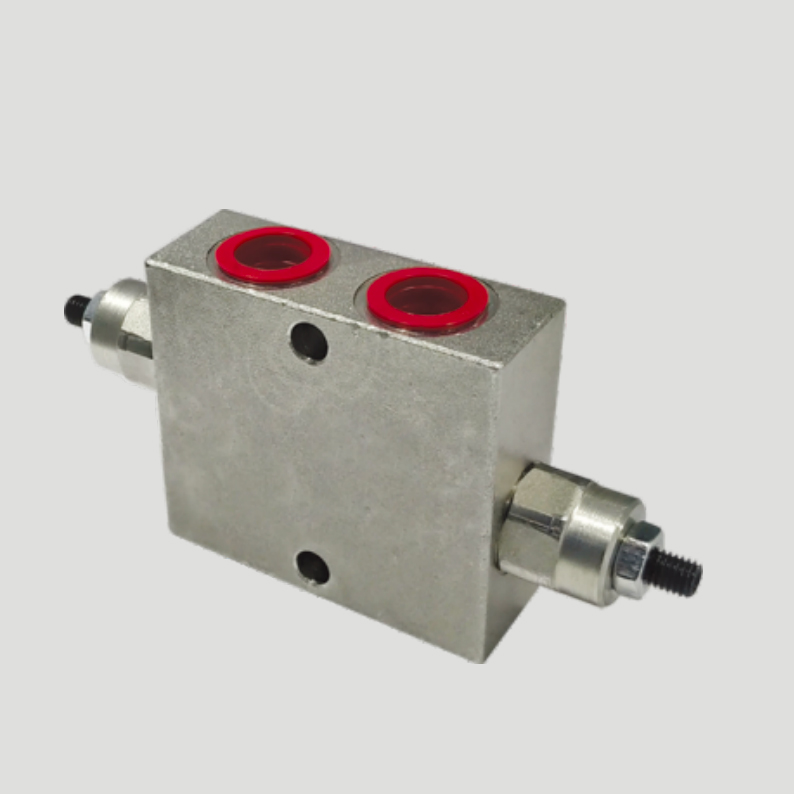
A motor control valve is a device that utilizes an electric motor for actuation. It provides automated or remote regulation of fluid flow. This valve is crucial for maintaining precise control in various systems. Operators use it to manage liquids and gases effectively, enhancing operational efficiency.
Key Takeaways
- Motor control valves use an electric motor to automatically manage how liquids and gases flow. This helps systems work better and more safely.
- These valves offer exact control over fluid flow. They are important for industries and buildings to keep things like temperature and pressure just right.
- Motor control valves have parts like an actuator and sensors. These parts work together to move the valve precisely and give feedback on its position.
What is a Motor Control Valve?
Defining Motor Control Valves
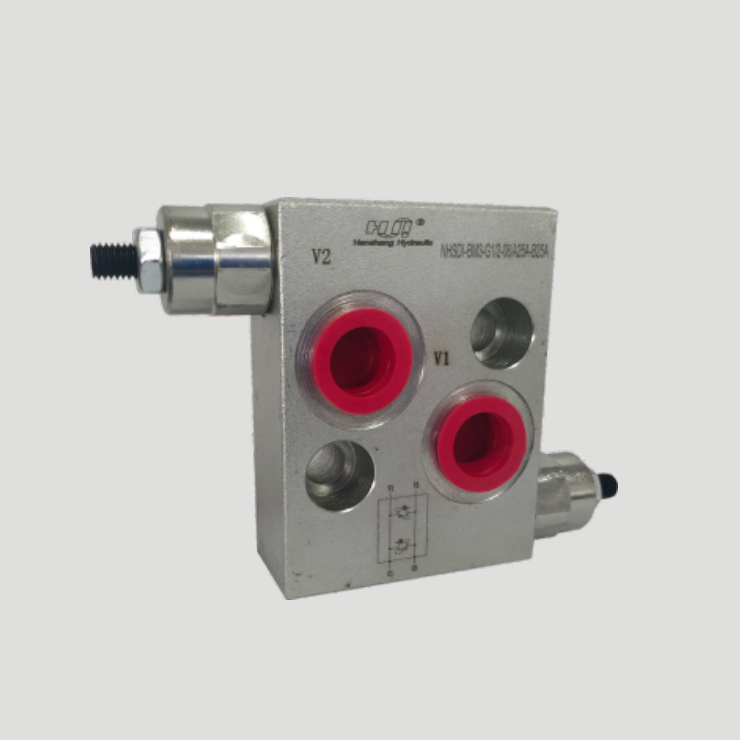
A motor control valve represents a sophisticated device for managing fluid flow. It primarily uses an electric motor for its operation. This motor provides the power to open or close the valve’s internal mechanism. This method of actuation distinguishes it significantly from valves requiring manual intervention. The fluid control components inside a motor control valve are often identical to those found in manual valves. However, the motor adds a layer of automation and precision.
An electric motor drives an advanced mechanism through a gear train. This gear train translates the motor’s rotation into the necessary movement for the valve. The specific advance mechanism varies depending on the valve type. For vertical travel valves, such as gate, sluice, or globe valves, a lead screw mechanism typically lifts or drops the gate plate or positions a tapered plug. Conversely, rotary or quarter-turn valves, including ball and butterfly valves, often employ a cam or central spindle advance mechanism. This design allows for quicker actuation. To prevent over-advancement and potential damage, motor control valves incorporate electrical limits. These limits cut the motor’s power supply when the valve reaches its fully open or closed position. The motor’s direction then reverses for subsequent adjustments, ensuring precise control and longevity.
Why Use a Motor Control Valve?
Organizations choose a motor control valve for several compelling reasons, primarily centered on automation, precision, and remote operation. These valves offer superior control over fluid flow compared to manual alternatives. They allow for exact positioning, which is critical in processes requiring specific flow rates or pressures. This precision minimizes waste and optimizes system performance.
Automation is another key benefit. Operators can program these valves to respond to sensor inputs or scheduled events, reducing the need for constant human oversight. This capability enhances operational efficiency and frees personnel for other tasks. Remote control also provides significant advantages. Engineers can adjust valve positions from a central control room, even across vast distances. This feature improves safety by keeping personnel away from hazardous environments. Furthermore, the consistent and repeatable operation of a motor control valve contributes to greater system reliability and stability. It ensures processes run smoothly and predictably, which is vital in industrial and commercial applications.
How a Motor Control Valve Works
The Actuation Mechanism of a Motor Control Valve
An electric motor powers a motor control valve. This motor converts electrical energy into mechanical motion. An electric actuator receives a control signal from a central control system. Based on this signal, the electric motor within the actuator drives a mechanical component. This component can be a gear, screw, or another mechanism. As the motor rotates, it transforms electrical energy into mechanical force. This mechanical force then adjusts the valve’s position. This process effectively operates the valve.
Different types of electric motors serve this purpose. One common type is a fully enclosed squirrel-cage motor. These motors are compact and offer large torque. They also have low inertia force and an F class insulation rating. Built-in overheat protection switches prevent damage. In electro-hydraulic actuators, a motor drives a hydraulic pump within a closed hydraulic loop. This motor and pump combination guides oil to the desired position. This enables control of quarter-turn automation valves.
Control signals direct these actuators. Actuators often use 3-point control. They also respond to analog signals, such as 0–10 V or 4–20 mA. Fieldbus systems provide another method for signal transmission. These signals tell the motor precisely how to move the valve.
Key Components of a Motor Control Valve
A motor control valve consists of several key components. These include the actuator, the valve body, and often a positioner. Feedback sensors are also crucial. The actuator houses the electric motor and the mechanism that moves the valve. The valve body contains the internal parts that directly interact with the fluid.
Feedback mechanisms ensure precise positioning and control.
- Inductive proximity sensors are non-contact sensors. They use an oscillator to create electromagnetic fields. When a conductive metal approaches, it reduces the field, changing the voltage. A trigger circuit converts this into an on/off digital signal. These sensors indicate valve position.
- Hall proximity sensors also operate without contact. A Hall transistor converts Hall sensing into an on/off digital signal. It measures the distance from a magnetic field to the indication pin on the valve stem. This indicates valve position, especially for butterfly valves.
- Namur sensors are two-wire DC proximity sensors. They are often used in hazardous environments for valve position indication. They change impedance when a metal target approaches, reducing current draw. This triggers a galvanic isolator, providing an on/off digital output signal to a PLC system.
These feedback devices offer significant benefits.
- They provide accurate positioning data on position and motion. This enables precise control and monitoring of mechanical components.
- Advanced feedback devices allow automated adjustment of position and speed. This enhances efficiency and reduces errors in automated systems.
- These devices act as sensors. They provide real-time position and velocity data. This data is crucial for accurate and reliable automation.
Pairing a regulator with an electropneumatic controller or a proportional valve enables precise remote control and closed-loop feedback. This setup eliminates issues like droop or creep from varying inlet pressure conditions. It ensures stable and accurate operation.
Regulating Flow with Different Valve Types
Motor control valves regulate fluid flow using various valve types. Each type offers specific advantages for different applications. Globe valves are a common choice for precise flow regulation. They often pair with linear valve actuators, such as the ML7421 and ML8824 series. These actuators enable their use in applications requiring high control accuracy.
Globe valves regulate fluid flow by using a plug. This plug presses against a seat. It either seals the flow or diverts it. This mechanism ensures the regulation of fluid flow. They suit controlling various media, including water, gases, and steam. They perform well even under high pressures and temperatures. Globe valves are categorized as control valves. They are designed for stable and accurate media control. Other valve types, like ball valves and butterfly valves, also integrate with motor actuators. Ball valves offer quick shut-off capabilities. Butterfly valves provide compact design and good flow control for larger pipes. The choice of valve type depends on the specific application requirements.
Applications of Motor Control Valves
Industrial Process Control Systems
Motor control valves play a critical role in industrial process control systems. They manage the flow of liquids and gases with exceptional precision. Industries such as chemical manufacturing, oil and gas refining, and food processing depend on these valves. They help maintain specific process conditions like temperature, pressure, and flow rates. This ensures consistent product quality and safe operations. For example, a motor control valve precisely controls the amount of a reagent entering a chemical reactor. It also regulates the flow of steam for heating or cooling processes. Their automated and remote operation minimizes human intervention. This reduces the risk of errors and significantly boosts overall plant efficiency. These valves are indispensable for complex, continuous operations where exact fluid management is paramount.
Building Automation and HVAC
Building automation systems extensively use these valves. They are fundamental components in heating, ventilation, and air conditioning (HVAC) systems. These valves precisely regulate the flow of hot or chilled water to various heat exchangers and coils. This action directly controls indoor temperatures and humidity levels. They also manage the opening and closing of air dampers to direct airflow within ventilation ducts. This ensures optimal air quality and thermal comfort for occupants. For instance, a motor control valve adjusts the water flow to a fan coil unit based on real-time room temperature readings. This dynamic control helps buildings achieve significant energy savings by preventing unnecessary heating or cooling. They are vital for creating comfortable, energy-efficient, and healthy indoor environments in commercial buildings, hospitals, and large residential complexes. Their integration into smart building systems allows for centralized monitoring and control.
Motor control valves are essential for precise, automated fluid management. They regulate fluid flow remotely, which enhances efficiency, safety, and control in diverse systems. These valves are indispensable in modern industrial, commercial, and infrastructure operations. Their advanced capabilities ensure optimal performance and reliability across many critical applications.
FAQ
What is the primary function of a motor control valve?
A motor control valve automates fluid flow regulation. It uses an electric motor to precisely adjust valve position. This enhances efficiency and control in various systems.
How do motor control valves ensure accurate flow control?
They use electric motors and advanced mechanisms. These components allow exact positioning of the valve. Feedback sensors provide real-time data for precise adjustments.