

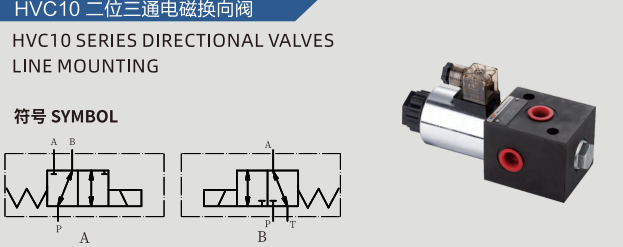
The Hanshang Hydraulic HVC10 2/3 way directional valve fundamentally redefines efficiency and control in hydraulic systems. This innovative design challenges traditional DIRECTIONAL CONTROL VALVES. It marks a significant advancement for all DIRECTIONAL VALVES. This is a paradigm shift in hydraulic technology, not merely an improvement.
Key Takeaways
- The HVC10 valve makes hydraulic systems better. It uses a new design to control fluid flow. This helps machines work more precisely.
- This valve saves energy. It reduces wasted power and heat. This means lower costs and longer life for hydraulic parts.
- The HVC10 valve is easier to install and fix. It has fewer parts. This makes systems more reliable and cheaper to maintain.
Old Hydraulic Norms: The Inefficiencies HVC10 Overcomes
Limitations of Traditional Directional Control Valves
Traditional hydraulic systems often rely on conventional DIRECTIONAL CONTROL VALVES. These valves typically offer limited control over fluid flow. They often provide only on/off or fixed-position control. This design restricts the precision of hydraulic operations. Operators cannot finely adjust actuator speed or position. This leads to less accurate movements and slower response times in machinery. Such limitations hinder overall system performance.
Energy Waste and Heat Generation in Conventional Systems
Older hydraulic systems frequently suffer from significant energy waste. Conventional valves often create substantial pressure drops. This pressure loss translates directly into wasted energy. The lost energy converts into heat. Excessive heat generation is a common problem. It degrades hydraulic fluid and shortens component lifespan. This inefficiency increases operational costs and reduces system reliability.
Maintenance Complexities of Older Valve Designs
Maintaining older valve designs presents several challenges. These valves often feature numerous internal components and seals. Each component represents a potential point of failure. Troubleshooting complex systems becomes time-consuming. Replacing parts requires specialized knowledge and tools. This complexity leads to increased downtime and higher maintenance expenses. Older designs also contribute to a larger inventory of spare parts.
HVC10′s Core Innovation: How 2/3 Way Design Breaks the Mold
The HVC10′s innovative 2/3 way design fundamentally changes hydraulic system architecture. This approach moves beyond conventional methods. It offers a more streamlined and effective solution.
Simplified Circuitry and Reduced Components
The HVC10 valve’s 2/3 way design significantly simplifies hydraulic circuits. Traditional systems often require multiple valves or complex manifold arrangements. The HVC10 reduces the number of necessary components. This simplification means engineers can design systems with fewer parts. Fewer parts lead to less plumbing and fewer connection points. This streamlined approach makes installation easier. It also reduces the overall footprint of the hydraulic system. System designers benefit from this reduced complexity. They achieve more efficient layouts.
Precision Control for Enhanced Operation
The HVC10 provides superior precision in hydraulic control. Its design allows for more accurate fluid direction. This precision translates directly to enhanced operation of actuators. Operators can achieve finer adjustments for speed and position. This capability improves the responsiveness of machinery. It also increases the accuracy of hydraulic movements. The HVC10 ensures consistent and reliable performance. This level of control surpasses many traditional DIRECTIONAL CONTROL VALVES.
Reduced Leakage Paths for System Integrity
The HVC10′s simplified design inherently minimizes potential leakage points. Fewer components and connections mean fewer opportunities for fluid to escape. This reduction in leakage paths significantly enhances system integrity. Less leakage leads to greater hydraulic efficiency. It also reduces fluid waste. A cleaner system environment results from this design. Reduced leakage also helps maintain fluid quality. This extends the lifespan of hydraulic components. It ultimately lowers maintenance requirements and costs.
Unlocking Efficiency: The HVC10′s Direct Impact on Performance
Significant Energy Savings with HVC10 Directional Control Valves
The HVC10 valve significantly reduces energy consumption. Its innovative design minimizes pressure losses. Traditional hydraulic systems often waste power due to inefficient fluid paths. The HVC10′s optimized flow characteristics require less energy from the hydraulic pump. This directly translates into lower electricity bills for electrically driven systems. For mobile applications, it means reduced fuel consumption. Businesses achieve considerable operational cost savings. The valve ensures more of the input energy converts into useful work, rather than dissipating as heat.
Enhanced System Responsiveness and Accuracy
The HVC10 dramatically improves system responsiveness. Its precise control allows for immediate and accurate actuator movements. Operators experience quicker reaction times from machinery. This leads to faster cycle times in manufacturing processes. The valve’s accuracy ensures consistent positioning and speed. Machines perform tasks with greater precision. This enhances product quality and reduces rework. The HVC10 empowers systems to operate at peak performance levels, surpassing many conventional DIRECTIONAL CONTROL VALVES.
Lower Heat Generation for Extended System Life
Reduced energy waste directly results in lower heat generation. The HVC10′s efficient operation minimizes energy conversion into unwanted thermal energy. Lower operating temperatures benefit the entire hydraulic system. Hydraulic fluid maintains its optimal properties for longer periods. This extends fluid change intervals. Components like seals and hoses experience less thermal degradation. The system’s overall lifespan increases significantly. Reduced heat also lessens the need for external cooling systems. This further contributes to energy savings and simplified design.
Beyond Efficiency: Operational Advantages Challenging Norms
The HVC10 valve offers more than just efficiency gains. It delivers significant operational advantages. These benefits directly challenge established hydraulic norms.
Simplified Installation and Maintenance
The HVC10′s design streamlines installation processes. Its reduced component count means fewer connections. This simplifies plumbing and reduces labor time. Technicians install the valve quickly and efficiently. Maintenance also becomes less complex. Fewer parts mean fewer potential failure points. Troubleshooting is straightforward. This design minimizes the need for specialized tools. It reduces overall service time.
Increased System Reliability and Longevity
The HVC10 significantly enhances system reliability. Its robust design and reduced leakage paths ensure consistent performance. Lower heat generation protects hydraulic fluid and components. This extends the lifespan of the entire system. Operators experience less downtime. The HVC10 contributes to a more dependable hydraulic operation. This reliability surpasses many conventional DIRECTIONAL CONTROL VALVES.
Cost-Effectiveness Over Lifecycle
The HVC10 provides substantial cost savings throughout its lifecycle. Initial installation costs decrease due to simplification. Energy savings reduce operational expenses. Lower maintenance requirements further cut costs. Extended system life delays replacement needs. These combined factors offer a superior return on investment. The HVC10 proves a more economical choice over the long term.
The Hanshang Hydraulic HVC10 2/3 way directional valve fundamentally challenges and surpasses old hydraulic norms. Its innovative design offers tangible benefits. It delivers unparalleled efficiency, precise control, enhanced reliability, and significant cost-effectiveness, unlike traditional DIRECTIONAL CONTROL VALVES. This valve redefines expectations for modern DIRECTIONAL CONTROL VALVES. Explore the Hanshang Hydraulic HVC10 series to revolutionize your next hydraulic application.