

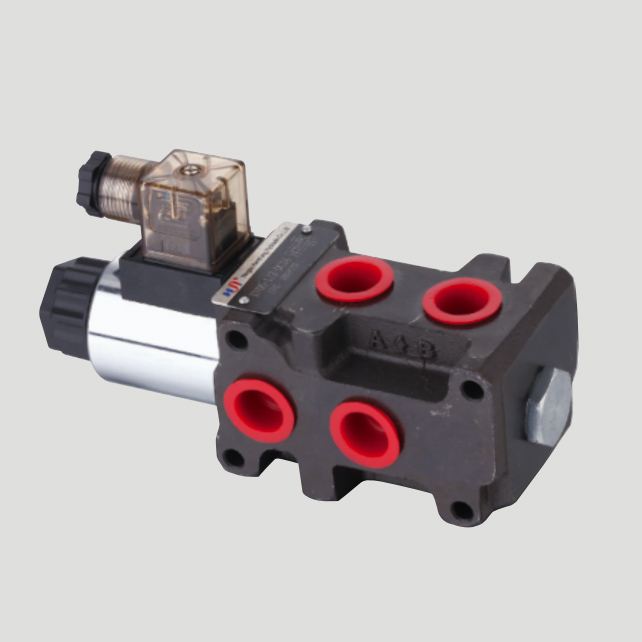
A Hydraulic Flow Diverter Valve is a crucial component in hydraulic systems. This valve precisely controls the distribution of hydraulic fluid. Its primary function involves splitting or combining fluid flow to various parts of a system. This ensures accurate and efficient operation of connected machinery.
Key Takeaways
- Hydraulic flow diverter valves control how fluid moves in machines. They can split fluid to power different parts at the same time.
- These valves help machines work smoothly and correctly. They make sure each part gets the right amount of fluid, even when things change.
- Diverter valves are used in many machines, like cranes and farm tractors. They help these machines do many jobs with better control.
Understanding the Mechanism of a Hydraulic Flow Diverter Valve
The Principle of Flow Splitting and Combining
A Hydraulic Flow Diverter Valve operates on a fundamental principle: it precisely manages the distribution of hydraulic fluid. This valve can take a single incoming flow and divide it into two or more separate outgoing flows. For instance, it directs fluid to multiple actuators simultaneously, ensuring each receives a specific volume. Conversely, the valve also combines multiple incoming fluid streams into a single outgoing flow. This capability allows for synchronized or sequential operation of different hydraulic components. The valve’s design ensures that it maintains consistent flow rates to each branch, regardless of varying load demands. This precise control is crucial for applications requiring coordinated movement or balanced power distribution.
How Pressure and Flow Interact within the Valve
Pressure and flow exhibit a critical interaction inside a Hydraulic Flow Diverter Valve. Many diverter valves are pressure-compensated. This means they actively adjust to maintain a constant flow rate to each outlet, even when the pressure in one branch changes due to varying loads. The valve achieves this by utilizing internal mechanisms that sense pressure differentials. It creates a controlled pressure drop across internal orifices. The valve then works to keep this pressure drop constant. If the pressure increases in one outlet line, the valve automatically adjusts its internal components, such as spools, to maintain the desired flow split. This ensures that the flow to other branches remains unaffected. Consequently, the system delivers consistent performance, preventing one actuator from “robbing” flow from another. This intelligent interaction between pressure sensing and flow control defines the valve’s effectiveness in complex hydraulic circuits.
Key Components and Operation of a Hydraulic Flow Diverter Valve
Internal Structure of the Valve
A Hydraulic Flow Diverter Valve consists of several critical internal components. These parts work together to manage fluid distribution effectively. The main body, or housing, contains all the moving elements. This housing typically features multiple ports for fluid entry and exit. Inside the housing, precision-machined channels guide the hydraulic fluid. These channels connect to the various ports. The valve also incorporates robust sealing elements. These elements prevent internal and external leakage.
- Advanced sealing technology ensures reliable performance.
- Specialized seal designs and materials provide excellent leakage prevention.
- Seals maintain compatibility with various hydraulic fluids across a wide temperature range.
Furthermore, precision-machined components create tight tolerances. This minimizes internal clearances and potential leak paths. High-quality, durable sealing materials are selected for their resistance to wear, temperature fluctuations, and chemical degradation. They maintain integrity under harsh conditions. A positive sealing mechanism, often a pilot-operated design, actively forces a definitive seal. This prevents even minor seepages and ensures fluid containment.
The Role of Spools and Orifices
Spools and orifices are central to the operation of a Hydraulic Flow Diverter Valve. Spools are cylindrical components that slide within the valve body. Their movement opens or closes specific flow paths. Each spool has lands and grooves. The lands block flow, while the grooves allow fluid to pass. Orifices are precisely sized openings within the valve. They restrict fluid flow and create pressure drops. The interaction between the spool’s position and the orifices determines the exact amount of fluid flowing to each outlet. When a spool moves, it changes the effective area of an orifice. This action directly controls the flow rate. This precise control allows the valve to split or combine fluid streams accurately.
Control Mechanisms for Flow Diversion
Various mechanisms control the movement of spools within a Hydraulic Flow Diverter Valve. Manual controls involve an operator directly moving a lever or knob. This physically shifts the spool. Pilot-operated valves use a smaller hydraulic pressure signal to move the main spool. This allows for remote control and higher force applications. Electronic control mechanisms are increasingly common. These systems use solenoids to actuate the spool. An electronic signal energizes the solenoid, which then pushes or pulls the spool.
Electronic control systems use sensor data to monitor flow in real time. They automatically adjust the valve opening through the electronic control system. This improves control accuracy.
These advanced systems often incorporate feedback mechanisms. Pressure sensors or flow meters monitor the actual fluid conditions. The electronic controller then compares this data to the desired settings. It makes necessary adjustments to the spool position. This continuous feedback loop ensures highly precise and responsive flow diversion.
Types and Applications of Hydraulic Flow Diverter Valves
Common Types of Diverter Valves
Hydraulic systems utilize various types of flow diverter valves. These include proportional flow diverters, which allow for adjustable flow splitting, and non-proportional types, which provide a fixed flow division. Pressure-compensated diverter valves maintain consistent flow rates to multiple outlets despite varying load pressures. Non-compensated valves, conversely, do not adjust for pressure changes. Specialized versions also exist, such as priority flow dividers, which ensure a primary circuit receives its required flow before diverting the remainder to a secondary circuit. Each type serves specific control needs within a hydraulic system.
Industrial Applications of Diverter Valves
Industrial sectors widely employ hydraulic flow diverter valves for precise fluid control. These valves are primarily utilized in hydraulic systems that necessitate the synchronous control of multiple actuators. A prominent application of these valves is found in industrial equipment such as cranes and lifting platforms. Here, precise and coordinated movement of various components is crucial. They ensure that multiple hydraulic cylinders or motors operate in unison, providing stability and accuracy during complex operations. This capability enhances safety and efficiency in heavy-duty industrial machinery.
Mobile Equipment Uses for Diverter Valves
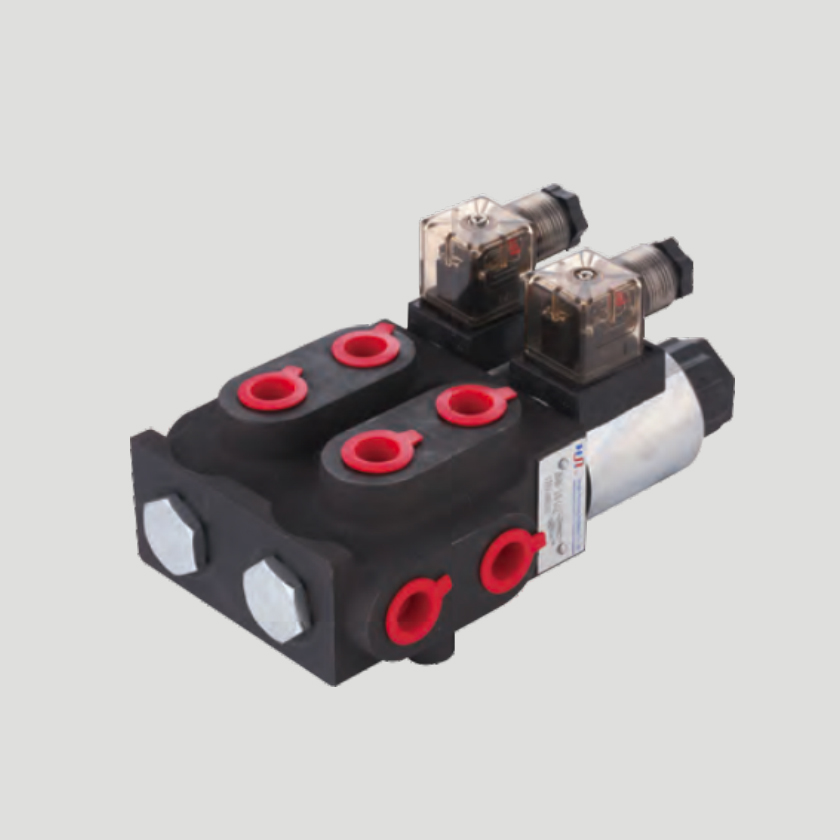
Mobile equipment, particularly in agriculture, heavily relies on diverter valves for enhanced functionality. These valves allow individual control of two double or single-acting cylinders from a single main valve. This enables the addition of auxiliary components. For example, in sub-compact tractors, they can add a grapple by plumbing in-line with the loader’s tilt function. The system electronically switches fluid flow between the tilt cylinder and the auxiliary circuit.
- Stackability: If more than two cylinders need control, diverter valves can stack. This allows control of up to four circuits, enabling multiple functions for a tractor to operate different attachments.
- Compatibility: Diverter valves are compatible with Double or Single Acting Cylinders. They work with Open, Closed, or FPC hydraulic systems.
- Precision Rotary Control: The DV10 valve uses an innovative rotational control mechanism for superior flow control accuracy and intuitive operation. This allows fine adjustments with excellent tactile feedback. This is crucial for applications requiring precise flow settings, ensuring smooth equipment operation and improved work quality.
- Robust Construction for Demanding Environments: Engineered with heavy-duty materials and advanced sealing technology, the valve ensures reliable performance in high-vibration, high-contamination environments, including agricultural applications. This rugged construction enhances service life and reduces maintenance in conditions with abrasive contaminants or extreme weather.
Hydraulic Flow Diverter Valves perform a critical function in hydraulic systems. They ensure precise fluid distribution and management. These valves are indispensable for achieving accurate fluid control and significantly enhancing overall system efficiency. Their ability to expertly split or combine flows optimizes the operation of diverse machinery.
FAQ
What is the primary function of a hydraulic flow diverter valve?
A hydraulic flow diverter valve precisely controls fluid distribution. It splits or combines hydraulic fluid flow to various system components. This ensures accurate and efficient machinery operation.
How does a pressure-compensated diverter valve maintain consistent flow?
Pressure-compensated valves maintain constant flow rates. They internally adjust to pressure changes in outlet lines. This prevents one actuator from taking flow from another.
Do diverter valves have applications in mobile equipment?
Yes, mobile equipment frequently uses diverter valves. They allow individual control of multiple cylinders from a single main valve. This adds auxiliary functions, like grapples on tractors.