

We rely on flow diverters to keep hydraulic systems running smoothly. They let me control fluid movement with precision, which helps prevent blockages and sudden pressure changes. By stopping these issues before they start, we reduce component wear and avoid expensive repairs. This proactive approach saves both time and money.
Key Takeaways
- Flow diverters help control fluid movement in hydraulic systems, preventing blockages and pressure changes. This proactive approach saves time and money.
- Regular inspections of flow diverters every three months can catch early signs of wear or blockage, ensuring your hydraulic system runs efficiently.
- Investing in flow diverters reduces wear on components, minimizes downtime, and improves overall efficiency, leading to significant cost savings.
Flow Diverters and Common Hydraulic Failures
.png)
Typical Failures in Hydraulic Systems
Many hydraulic systems fail for similar reasons. The most common problems include:
- Contaminants like water, air, or dirt entering the system.
- Poor fluid quality or clogged filters.
- Extreme temperature changes causing leaks or pressure drops.
- Human mistakes during installation or when choosing parts.
- Broken or misfitted components that lead to leaks and damage.
These issues can stop operations and create expensive repairs. We use flow diverters to manage fluid movement and reduce the risk of these failures.
Financial Impact of Unplanned Downtime
Unplanned downtime hurts productivity and costs a lot. In forestry, every hour of downtime can cost $1,200. In manufacturing, the cost jumps to $260,000 per hour. The automotive industry faces even higher losses, sometimes over $2 million per hour. The table below shows how downtime affects large operations:
| Impact Type | Value |
|---|---|
| Productivity Loss | 5% to 20% |
| Cost of One Hour Downtime | Exceeds $100,000 |
| Annual Cost of Unplanned Downtime | $50 billion globally |
Why Prevention Is More Cost-Effective Than Repair
We focus on prevention because it saves money and time. Preventive maintenance costs between $8,000 and $12,000 each year. Reactive repairs can cost $20,000 to $35,000 annually, plus $2,500 to $4,000 for each day of downtime. Flow diverters help us avoid emergency repairs by keeping fluid moving smoothly and preventing leaks or blockages. This approach keeps our hydraulic systems reliable and reduces unexpected expenses.
How Flow Diverters Work and Their Key Benefits
Directing Fluid to Avoid Blockages and Overpressure
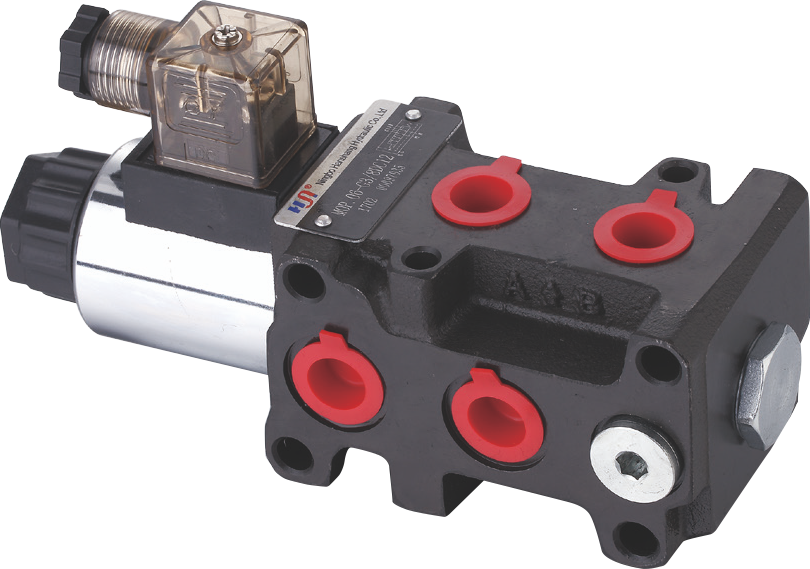
We rely on flow diverters to manage the direction and distribution of hydraulic fluid within my systems. These devices help us avoid common issues like blockages and dangerous pressure spikes. When we install flow diverters, there are several benefits:
- They distribute fluid flow evenly throughout the hydraulic circuit.
- They prevent excessive pressure buildup, which reduces wear on pumps, hoses, and seals.
- By diverting excess pressure, they improve both efficiency and safety.
We have noticed that when we use flow diverters, our hydraulic systems run more smoothly. we avoid sudden shutdowns caused by overpressure, and we see less wear on critical parts. This proactive control keeps our equipment running longer and with fewer interruptions.
Protecting Sensitive Components from Damage
Sensitive hydraulic components, such as valves and actuators, can suffer damage from sudden changes in flow or pressure. We have seen how flow diverters protect these parts by creating stable flow conditions. Computational fluid dynamics studies show that flow diverters can change the way fluid moves, reducing harmful pulsating forces. This means our components face less risk of damage during operation.
For example, in large hydraulic systems, floodgates are especially vulnerable to high-velocity flows and debris. The table below highlights this risk:
| Hydraulic Component | Vulnerability Description |
|---|---|
| Floodgates | Susceptible to damage from high velocity flows and debris impact, especially when aged and poorly maintained. |
By using flow diverters, I can shield these sensitive parts from the worst stresses, extending their service life and reducing the need for costly repairs.
Cost Savings, Reduced Downtime, and Increased Reliability
When we invest in flow diverters, we see real savings over time. Installing a new switching gate diverter valve often reduces the size and cost of my facility. We also notice lower energy consumption because hydraulic proportional flow divider valves let our system run at reduced pressures. This means we spend less on electricity and maintenance.
We track the effectiveness of our flow diverters using key performance indicators, such as:
- Real-time temperature monitoring along the hydraulic lines.
- Measuring how fluid distribution changes before and after installing diverters.
- Monitoring system reliability and downtime.
Tip: Regular adjustments keep flow diverters working at their best. We use crossport relief valves to maintain actuator synchronization, which is a unique maintenance step compared to other hydraulic parts.
Modern flow diverters also help us meet industry standards and regulatory requirements. Many diverter valves are designed to comply with strict regulations, and I can customize them for specific applications. This flexibility ensures our hydraulic systems stay up to code and operate safely.
As hydraulic technology advances, we find that flow diverters integrate well with modern equipment. They reduce wiring complexity, support modular designs, and handle higher pressure demands. This compatibility helps us keep up with trends like automation and electrification in the industry.
We trust flow diverters to control fluid movement and protect key components. Over time, We see real savings and fewer breakdowns. The table below shows how these devices improve efficiency, reduce wear, and minimize downtime. We recommend evaluating your hydraulic systems for these solutions.
| Benefit | Description |
|---|---|
| Improved Efficiency | Flow diverters enhance the overall efficiency of hydraulic systems. |
| Reduced Wear and Tear | They minimize wear on components, lowering maintenance costs and extending lifespan. |
| Minimized Downtime | By preventing failure, they reduce downtime and save costs. |
FAQ
How often should we inspect flow diverters in my hydraulic system?
We check flow diverters every three months. Regular inspections help us catch early signs of wear or blockage and keep our hydraulic system running efficiently.
Can flow diverters work with high-pressure hydraulic applications?
We use flow diverters designed for pressures up to 35 MPa. These valves handle demanding environments and maintain stable fluid flow in high-pressure systems.
What signs show a flow diverter needs maintenance?
- notice reduced fluid flow.
- hear unusual noises.
- see pressure spikes. Any of these signs tell me to schedule maintenance soon.