

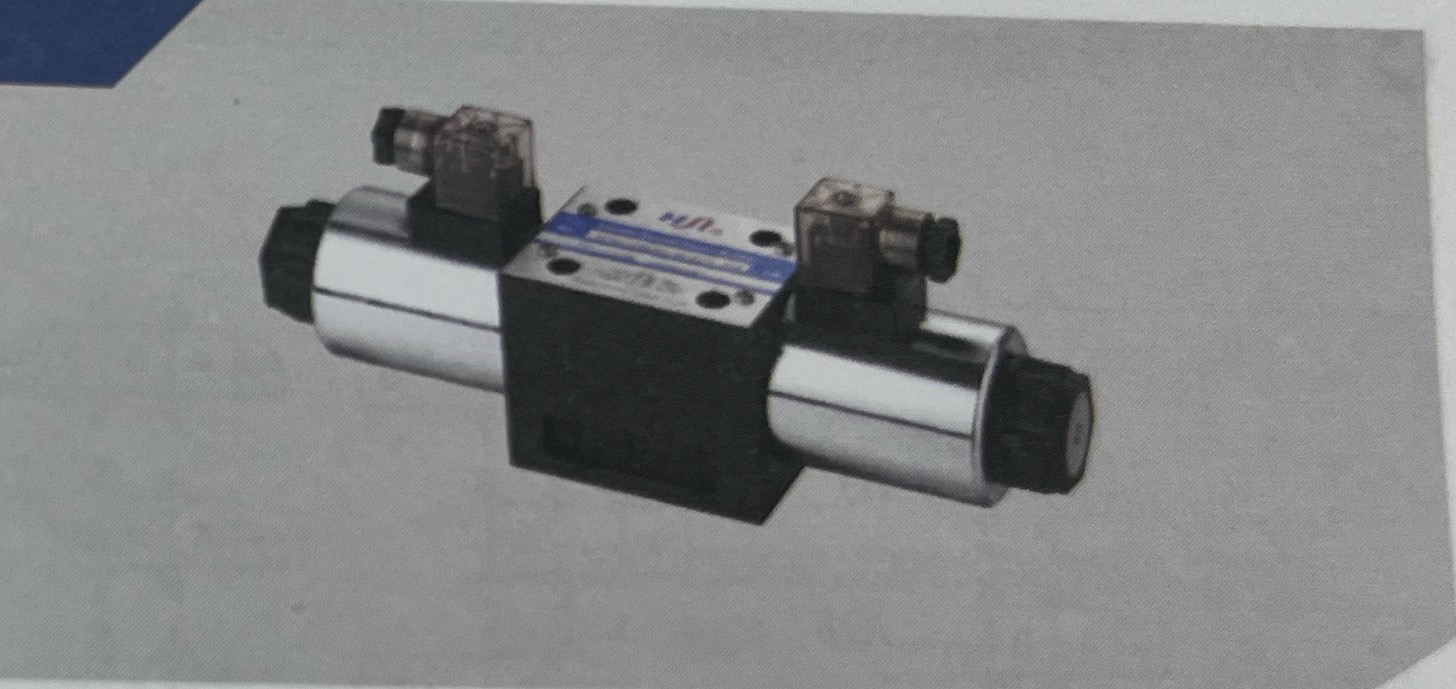
Solenoids control valves play a vital role in many everyday machines. They enable precise control of fluid flow through electromagnetic mechanisms. From healthcare equipment like anesthesia machines to industrial settings managing water flow in dishwashers, solenoids control valves are everywhere. Their versatility makes them essential in sectors like agriculture and automation.
Key Takeaways
- Solenoids control valves are essential in many machines, managing fluid flow with precision through electromagnetic mechanisms.
- These valves are compact and energy-efficient, making them ideal for applications in healthcare, automotive, and home appliances.
- Understanding the components, like the electromagnetic coil and actuator mechanism, helps appreciate how solenoids control valves operate effectively.
Components of SOLENOIDS CONTROL VALVES
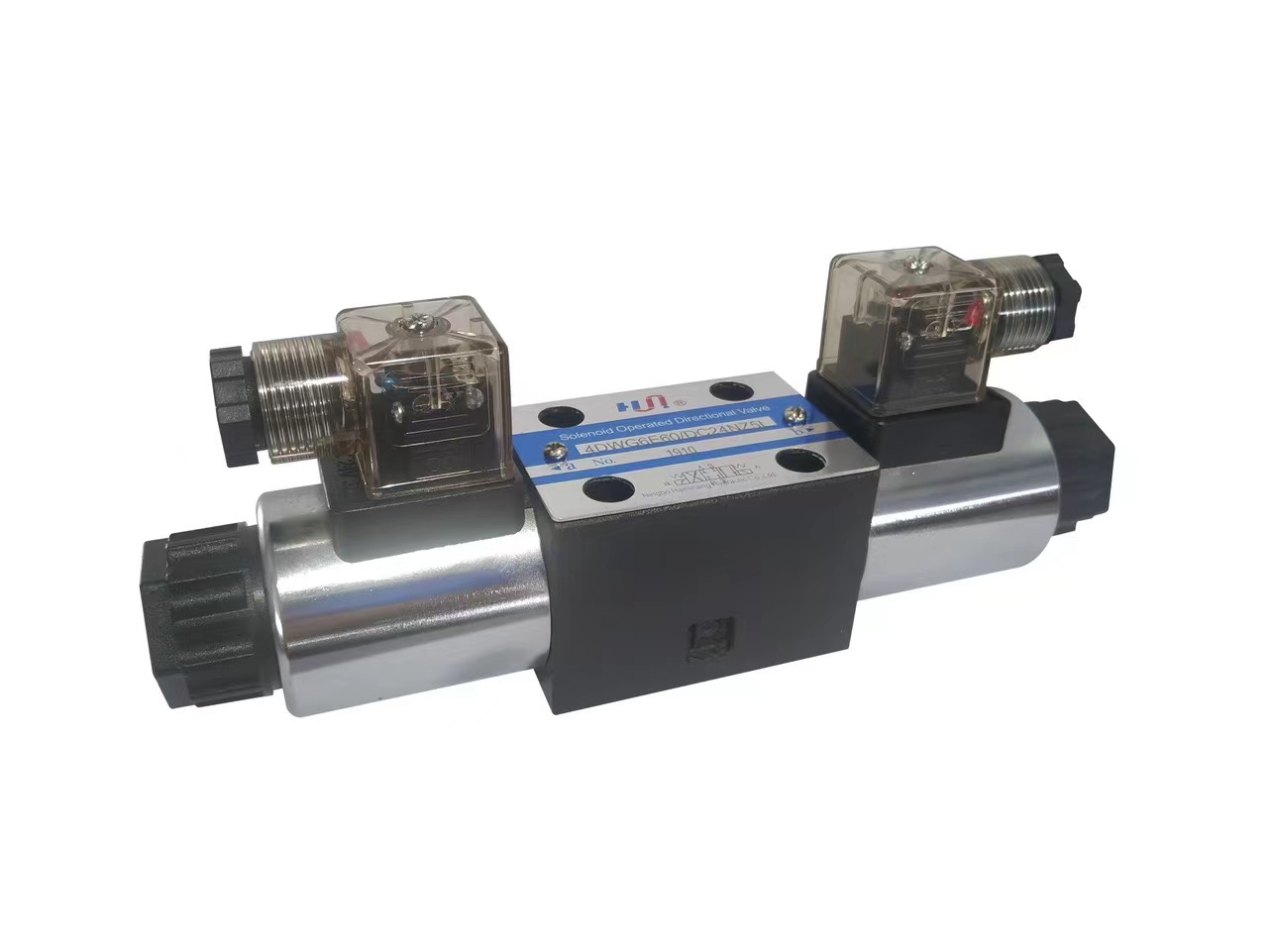
When exploring solenoid control valves, it’s essential to understand their key components. Each part plays a vital role in ensuring the valve operates effectively.
Electromagnetic Coil
The electromagnetic coil is the heart of the solenoid control valve. It generates a magnetic field when electricity flows through it. This magnetic field activates the valve’s mechanical parts. Typically, manufacturers use enameled copper wire for the coil, as it provides excellent conductivity. The coil’s design can significantly impact performance, including response time and energy efficiency.
| Material Type | Description |
|---|---|
| Enameled Copper Wire | Copper conductor coated with insulating paint, serving as the core material of the solenoid coil. |
| Bobbin | Carrier for enameled wire, made from materials like PA66, chosen based on temperature rise. |
| Yoke | Gathers magnetic field lines, made from low carbon steel to enhance magnetic strength. |
Valve Body
The valve body houses all internal components and provides a pathway for fluid flow. Its design affects pressure tolerance, flow characteristics, and durability. Common materials for valve bodies include brass and stainless steel, which offer excellent corrosion resistance. A well-designed valve body ensures reliable performance and minimizes maintenance needs.
- The valve body must withstand the pressure and temperature of the controlled fluid.
- Proper maintenance is essential for preventing leaks and ensuring consistent performance.
Actuator Mechanism
The actuator mechanism translates electrical energy into mechanical motion. Two common types are linear and rotary solenoid actuators. Linear actuators provide straight-line motion, while rotary actuators generate angular movement. Each type has its advantages, such as fast response times and compact designs.
| Type of Actuator | Description | Advantages |
|---|---|---|
| Linear Solenoid Actuators | Converts electrical energy into straight-line motion. | Fast response, compact design, suitable for direct mechanical applications. |
| Rotary Solenoid Actuators | Produces angular movement instead of straight-line motion. | Generates controlled angular motion, useful for applications requiring limited rotational displacement. |
Understanding these components helps appreciate how solenoids control valves function in everyday machines.
How SOLENOIDS CONTROL VALVES Operate
Understanding how solenoids control valves operate reveals the magic behind their functionality. These valves rely on electromagnetic activation to manage fluid flow efficiently.
Electromagnetic Activation
The operation of solenoid control valves begins with electromagnetic activation. When electricity flows through the electromagnetic coil, it transforms electrical energy into mechanical energy. This process creates a magnetic field that moves the plunger either backward or forward, depending on the direction of the current. The movement of the plunger is crucial as it opens or closes the valve, controlling the flow of media through it.
Did you know? The typical voltage requirements for solenoid control valves vary. Here’s a quick look:
| Type | Voltage Range | Current Characteristics |
|---|---|---|
| AC | 24V, 110V, 220V | Higher power consumption |
| DC | Lower voltages | More adaptable to battery-powered applications |
Flow Control Mechanism
Solenoid control valves excel at regulating fluid flow within a system. They utilize an electromagnetic mechanism that includes a coil and a plunger. When the electric current flows through the coil, it generates a magnetic field that moves the plunger, thereby opening or closing the valve. This design allows for quick actuation, making solenoid valves highly effective in controlling fluid flow.
Several factors influence their precision:
- Design and material of the coil and plunger
- Type of fluid being controlled
- Voltage applied to the coil
- Pressure range within the system
These elements work together to ensure that solenoid control valves provide accurate and reliable flow management.
Response Time and Efficiency
Response time is a critical factor in the performance of solenoid control valves. In industrial applications, direct acting solenoid valves typically respond in about 5 to 25 milliseconds. In contrast, pilot-operated valves may take 50 to 500 milliseconds, while indirect operated valves can take up to 1000 milliseconds or more. Here’s a summary of the average response times:
| Type of Solenoid Valve | Average Response Time |
|---|---|
| Direct Acting | 5 to 25 milliseconds |
| Pilot Operated | 50 to 500 milliseconds |
| Indirect Operated | Up to 1000 milliseconds or higher |
Solenoid control valves are generally more energy-efficient than other types of control valves. They require less power than motorized valves, especially when operating at low coil power. This efficiency makes them ideal for applications where quick and reliable fluid control is essential.
Applications of SOLENOIDS CONTROL VALVES
Solenoid control valves find their way into many aspects of daily life, especially in automotive systems, home appliances, and industrial equipment. Their ability to manage fluid flow efficiently makes them indispensable in these applications.
Automotive Systems
In the automotive world, solenoid control valves play a crucial role in enhancing vehicle performance and safety. They help manage various functions, ensuring that everything operates smoothly. Here are some common uses:
- Solenoid valves control the timing of gear shifts.
- They manage the firmness of brake application.
- They assist in the efficiency of power steering.
- They ensure precise automotive fluid control.
These valves offer several advantages over traditional valves. For instance, they provide quicker response times, allowing for better control precision. The table below highlights how solenoid valves compare to traditional valves in automotive applications:
| Feature | Solenoid Valves | Traditional Valves |
|---|---|---|
| Response Time | Quicker response times | Slower response times |
| Control Precision | High precision control | Limited control precision |
| Remote Operation | Yes, allows for remote control | No, manual operation required |
| Maintenance Needs | Reduced maintenance requirements | Higher maintenance needs |
| Integration with Electronics | Seamless integration with ECUs | Limited or no integration |
Home Appliances
Solenoid control valves also make life easier in our homes. They are commonly found in various appliances, helping to automate tasks and improve efficiency. Here are some appliances that frequently incorporate these valves:
| Appliance | Function |
|---|---|
| Vacuum Cleaner | Uses solenoid valves to control airflow and suction. |
| Washing Machine | Controls water supply and prevents waste by shutting off water after cycles. |
| Home Heaters | Distributes heated water to various fixtures like faucets. |
| Refrigerator | Controls water flow to ice makers and dispensers. |
| Gas Dryer | Supplies natural gas or propane to the burner in a safety circuit. |
The benefits of using solenoid control valves in home appliances are significant. They allow for fast and precise operation, making tasks easier and safer. The table below summarizes these benefits:
| Benefit | Description |
|---|---|
| Fast and Precise | The opening and closing of solenoid valves occur in a matter of seconds. |
| Easy Automation | Operate through sensors and timers, reducing manual labor and improving results. |
| Compact Design | Small and lightweight, requiring minimal space for installation. |
| Safe for Many Uses | Compatible with various fluids and gases, suitable for diverse applications. |
| Reliable Operation | Consistent performance over time when powered correctly. |
Industrial Equipment
In industrial settings, solenoid control valves are essential for automation and process control. They help manage the flow of fluids and gases with minimal plumbing and wiring requirements. This efficiency makes them a cost-effective solution for various applications. Common uses include:
- Offshore pilot valves
- Hydraulic fluid control
- Automotive applications (fuel injection systems, transmission control systems, turbocharger control systems)
- Compact solenoid process valves for controlling on/off flow of pressurized gases or liquids
The global market for solenoid control valves in industrial applications is substantial. In 2023, it was valued at approximately USD 4.88 billion and is projected to grow steadily in the coming years. This growth reflects the increasing reliance on automation in industries worldwide.
Solenoid control valves are truly versatile components that enhance functionality across various sectors, making them a vital part of modern machinery.
Advantages of Using SOLENOIDS CONTROL VALVES
Solenoid control valves offer numerous advantages that make them a preferred choice in various applications. Their ability to enhance automation and control is particularly noteworthy.
Automation and Control
These valves significantly improve automation in modern machinery. They enable precise control of fluid flow, which is crucial in industries like HVAC and food processing. For instance, engineers in a packaging facility found that switching from manual valves to electronically controlled solenoid valves improved fill timing, reducing waste by nearly 12%. This shift highlights how solenoid valves enhance efficiency and reduce the need for manual intervention.
Key Benefits of Solenoid Valves in Automation:
- Enhance efficiency in fluid management.
- Reduce the need for manual intervention.
- Contribute to energy efficiency and operational reliability.
Space and Energy Efficiency
Solenoid control valves are compact and designed to save space. Their small size makes them ideal for applications in portable medical equipment and tight enclosures. Additionally, they operate with low power consumption, which is beneficial for cost-saving operations.
| Benefit | Description |
|---|---|
| Space-saving integration | Combines electrical and hydraulic components efficiently |
| Efficient power use | Optimizes power relative to hydraulic force controlled |
| Simplified system design | Reduces the number of components needed |
| Easier installation in confined spaces | Facilitates installation in limited areas |
Reliability and Maintenance
Reliability is another strong point for solenoid control valves. A well-made valve can last between 5 to 10 years under normal conditions. In high-stress environments, they still endure between 1 million to 10 million cycles, translating to several years of service. This durability leads to fewer replacements, reducing maintenance costs and environmental impact.
Solenoid control valves play a crucial role in modern machinery, enhancing automation and efficiency. They offer several benefits, including:
- Precision control: Quick adjustments improve production processes.
- Safety guarantee: They act as emergency cut-off devices.
- Intelligent linkage: Facilitate communication in automation systems.
- Energy saving: Operate on demand to reduce energy consumption.
These features make solenoid control valves indispensable in various industries.
FAQ
What is a solenoid control valve?
A solenoid control valve uses an electromagnetic coil to control fluid flow, enabling precise management in various applications.
How long do solenoid control valves last?
Typically, solenoid control valves last between 5 to 10 years, depending on usage and environmental conditions.
Can solenoid valves be used in outdoor applications?
Yes, solenoid valves can be used outdoors, but ensure they are rated for weather resistance to prevent damage.