

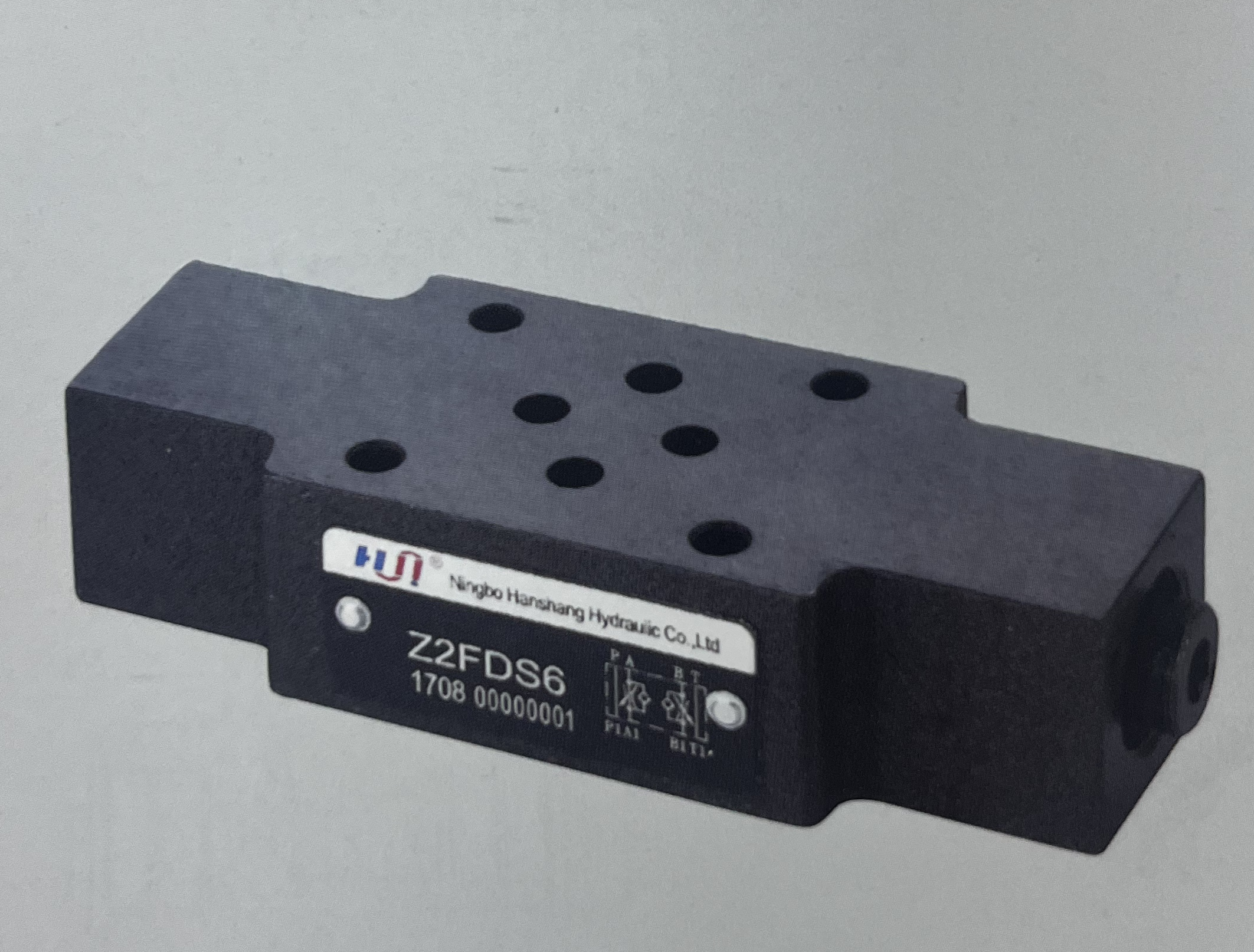
Flow control valves serve as crucial components in fluid management systems. They regulate fluid flow, maintaining a consistent flow rate despite pressure fluctuations. This regulation enhances system stability and optimizes energy efficiency. By minimizing wastage and improving performance, flow control valves significantly impact various applications.
Key Takeaways
- Flow control valves regulate fluid flow and pressure, enhancing system efficiency and stability.
- Using pressure control valves prevents overpressure situations, ensuring safe operation and protecting equipment.
- Implementing flow rate control valves can lead to energy savings of up to 30% in HVAC systems, improving comfort and reducing costs.
Types of Flow Control Valves
Pressure Control Valves
Pressure control valves play a vital role in maintaining safe operating conditions within fluid systems. They regulate pressure levels, preventing overpressure situations that can lead to equipment failure or safety hazards. These valves come in various types, including pressure-reducing valves, unloading valves, and sequence valves.
- Pressure-reducing valves limit the pressure downstream, ensuring that the system operates within safe limits.
- Unloading valves relieve pressure from the pump when not in use, preventing unnecessary energy consumption.
- Sequence valves control the order of operations in hydraulic systems, ensuring that specific actions occur in a predetermined sequence.
These valves are essential for pressure relief in hydraulic systems. They help limit or reduce pressure as needed, allowing for safe and efficient operation. Pressure relief valves act as automatic safety devices that release excess pressure when it reaches dangerous levels. They operate through a spring or pilot system that monitors pressure, ensuring that the valve opens automatically to prevent pressure-related accidents.
Flow Rate Control Valves
Flow rate control valves are crucial for managing the flow of fluids in various industrial applications. They allow operators to adjust flow rates precisely, which leads to improved energy efficiency and process control. These valves are commonly used in industries such as water treatment, oil and gas, and HVAC systems.
| Industry | Application Description |
|---|---|
| Water Treatment Plants | Manage flow through filtration, chemical treatment, and distribution systems to ensure consistent flow rates. |
| Oil and Gas Sector | Regulate extraction, transportation, and processing of hydrocarbons, ensuring safe and efficient operations. |
| Chemical and Pharmaceutical | Control fluid flow for product quality and process safety, including mixing, filtration, and distillation. |
| HVAC Systems | Regulate flow of refrigerants, water, or air to maintain temperature and humidity levels efficiently. |
Flow rate control valves contribute to energy savings by allowing for accurate adjustments in flow rates. They maintain optimal pressure, preventing energy losses from fluctuations. Additionally, their load-sensing capability adjusts fluid flow based on real-time demands, enhancing energy distribution efficiency.
Directional Control Valves
Directional control valves are essential for directing fluid flow to different outlets in hydraulic and pneumatic systems. They manage the direction of fluid flow, making them crucial for complex machinery operations. Unlike other valves that may only start or stop flow, directional control valves offer versatility in configurations, such as 2-way, 3-way, or 4-way setups.
- These valves can be directly-operated or pilot-operated, enhancing their functionality.
- They can be controlled through various means, including solenoids or mechanical methods like levers and rollers.
In hydraulic systems, directional control valves manage the flow of fluid, which directs the movement of actuators. For instance, in an excavator’s arm control, these valves regulate the hydraulic oil flow, enabling the arm to perform various movements such as lifting and lowering. This capability highlights their importance in ensuring efficient operation in complex hydraulic circuits.
Mechanisms of Action
Flow control valves operate through various mechanisms that determine how they regulate fluid flow. Understanding these mechanisms is essential for optimizing system performance and ensuring reliability.
Manual Control Mechanisms
Manual control mechanisms allow operators to adjust flow rates directly. These valves require human intervention for operation, making them straightforward and reliable. Operators can quickly respond to changes in system demands, ensuring immediate adjustments.
| Advantages of Manual Valves | Disadvantages of Manual Valves |
|---|---|
| Simplicity and Reliability | Limited Automation |
| Cost-Effective | Operator Dependency |
| Quick Response Time | Slower Operation |
| Versatility | Limited Control Options |
| Ease of Maintenance | Potential for Leakage |
Despite their advantages, manual control mechanisms have limitations. They depend heavily on operator skill and can lead to inconsistencies if not monitored closely. However, they remain a popular choice in applications where simplicity and cost-effectiveness are priorities.
Automatic Control Mechanisms
Automatic control mechanisms enhance the efficiency of flow control valves by minimizing human intervention. These systems utilize various technologies, such as mechanical, hydraulic, and electronic components, to maintain optimal flow rates.
- Automatic mechanisms ensure consistent fluid flow rates, which is crucial for system reliability.
- They prevent overpressure, reducing the risk of damage to system components.
- By stabilizing flow, they minimize rapid fluctuations that can lead to performance issues.
These systems continuously monitor flow conditions and adjust valve positions accordingly. For instance, in irrigation systems, automatic control valves maintain a constant maximum flow rate, regardless of demand fluctuations or varying system pressures.
Electronic Control Mechanisms
Electronic control mechanisms represent the latest advancement in flow control technology. These systems utilize sensors and digital controllers to monitor and adjust flow rates in real-time.
- Real-time monitoring sensors track fluid properties during various manufacturing stages.
- Continuous monitoring allows for precise production control and informed decision-making.
- Automation enhances productivity and safety in industrial systems.
Electronic control valves improve efficiency by responding to variations in system conditions. They utilize positioners to adjust valve positions based on process variables, ensuring that flow rates and system pressure remain stable. This capability significantly reduces interruptions and enhances overall system performance.
Applications in Various Industries
Manufacturing
Flow control valves play a crucial role in manufacturing processes. They ensure accurate fluid regulation and maintain precise flow rates. This precision enhances operational efficiency and minimizes downtime. Advanced materials, such as stainless steel and nickel-based alloys, improve durability under extreme conditions. Manufacturers utilize smart technologies for real-time monitoring, optimizing flow processes and reducing operational costs.
- Flow control valves help:
- Regulate fluid flow for consistent production.
- Enhance safety by preventing overpressure situations.
- Improve product quality through precise control.
HVAC Systems
In HVAC systems, flow control valves contribute significantly to energy efficiency. Properly regulated airflow can lead to energy savings of up to 30% in commercial buildings. These valves allow for precise adjustments, ensuring optimal temperature control and reducing energy consumption.
- Key benefits include:
- Enhanced comfort through stable temperature regulation.
- Reduced operating costs by optimizing system performance.
- Improved energy efficiency, particularly during seasonal transitions.
Water Treatment
Flow control valves are essential in water treatment processes. They regulate flow rates and maintain pressure, which are vital for the stability and efficiency of treatment systems. Their ability to provide precise control enhances the overall quality and safety of the water being treated.
- Benefits of flow control valves in water treatment:
- Regulate flow rates effectively.
- Maintain pressure for consistent treatment.
- Improve efficiency and product quality.
- Enhance safety in water treatment applications.
Overall, flow control valves are integral to enhancing efficiency across various industries, ensuring reliable operations and significant cost savings.
Specific Examples of Efficiency Improvements
Case Study: Manufacturing Process
In manufacturing, flow control valves significantly enhance efficiency. For instance, implementing these valves improved batch accuracy by 98%. This improvement resulted from reduced deviations in water additions. Automation of the water filling process also reduced batch time by an average of eight minutes. Consequently, manufacturers experienced a 14% increase in daily throughput across all product lines. Such advancements demonstrate how flow control valves streamline operations and boost productivity.
Case Study: HVAC Optimization
HVAC systems benefit greatly from flow control valves. These valves allow for precise adjustments in airflow, leading to improved energy efficiency. In commercial buildings, proper airflow regulation can yield energy savings of up to 30%. This reduction not only lowers operational costs but also enhances occupant comfort. By maintaining stable temperature control, HVAC systems operate more effectively, showcasing the importance of flow control valves in optimizing energy use.
Case Study: Water Conservation
Flow control valves play a crucial role in water conservation efforts. In Cape Town, South Africa, the installation of ball float valves in municipal water tanks significantly reduced water loss. This initiative helped avert a severe water crisis in 2018. Similarly, farms utilizing ball float valves in irrigation reported up to a 30% reduction in water usage while maintaining or even increasing crop yields. These examples highlight the effectiveness of flow control valves in promoting sustainable water management practices.
Flow control valves are essential for enhancing efficiency in fluid systems across various industries. They help organizations achieve significant cost savings through energy-efficient designs and reduced maintenance needs. Investing in quality flow control valves leads to improved operational performance and optimized processes.
FAQ
What are flow control valves used for?
Flow control valves regulate fluid flow and pressure in various systems, enhancing efficiency and preventing wastage.
How do electronic control mechanisms improve flow control?
Electronic control mechanisms utilize sensors for real-time monitoring, allowing precise adjustments to flow rates and improving overall system performance.
Can flow control valves reduce energy consumption?
Yes, flow control valves optimize fluid flow, leading to significant energy savings in industrial applications and HVAC systems.