


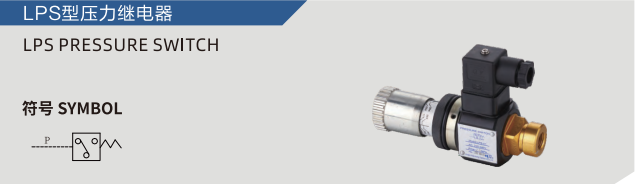
Low pressure switches play a crucial role in optimizing HVAC performance. They actively monitor refrigerant pressure, which helps prevent system damage. By ensuring proper operation, these switches, including LPS pressure switch models, enhance the reliability and efficiency of hydraulic valves in HVAC systems.
Key Takeaways
- Low pressure switches monitor refrigerant pressure to prevent system damage and ensure safety.
- Regular maintenance of low pressure switches can enhance HVAC efficiency and reduce energy costs.
- These switches help maintain consistent temperature control, improving comfort and system reliability.
Function 1: Pressure Monitoring
Role in System Safety
Pressure monitoring is a critical function of low pressure switches. These devices continuously track refrigerant pressure levels within HVAC systems. When pressure drops below a predetermined threshold, the low pressure switch activates. This action prevents potential hazards, such as compressor failure or system leaks.
Tip: Regularly checking the pressure monitoring system can help identify issues before they escalate.
By ensuring that the system operates within safe pressure limits, low pressure switches protect both the equipment and the environment. They help maintain optimal conditions, reducing the risk of accidents and costly repairs.
Impact on Energy Efficiency
Effective pressure monitoring directly influences energy efficiency in HVAC systems. When refrigerant pressure remains within the ideal range, the system operates more efficiently. This efficiency translates into lower energy consumption and reduced operational costs.
Low pressure switches, such as the LPS PRESSURE SWITCH, play a vital role in this process. They help maintain the balance between cooling and heating cycles, ensuring that the system does not overwork. An overworked system consumes more energy, leading to higher utility bills.
Function 2: System Protection
Preventing Compressor Damage
Low pressure switches serve as a vital line of defense against compressor damage. When refrigerant pressure falls below safe levels, the LPS PRESSURE SWITCH activates. This action prevents the compressor from running under inadequate pressure, which can lead to overheating and eventual failure.
- Key Benefits of Preventing Compressor Damage:
- Increased Reliability: By ensuring that the compressor operates within safe pressure limits, low pressure switches enhance the overall reliability of HVAC systems.
- Cost Savings: Avoiding compressor damage reduces repair costs and extends the lifespan of the equipment.
Regular maintenance of low pressure switches is essential. Technicians should routinely check these devices to ensure they function correctly. This proactive approach helps maintain system integrity and prevents costly breakdowns.
Avoiding Refrigerant Leaks
Another critical function of low pressure switches is their ability to avoid refrigerant leaks. When pressure drops significantly, the LPS PRESSURE SWITCH detects this change and triggers an alert. This alert allows technicians to investigate potential leaks before they escalate into larger issues.
Tip: Regularly inspect the refrigerant lines and connections to minimize the risk of leaks.
- Advantages of Avoiding Refrigerant Leaks:
- Environmental Protection: Refrigerant leaks can harm the environment. Low pressure switches help mitigate this risk by ensuring that systems operate within safe pressure ranges.
- System Efficiency: Maintaining proper refrigerant levels is crucial for optimal HVAC performance. Low pressure switches help ensure that the system runs efficiently, reducing energy consumption.
Function 3: Performance Optimization
Enhancing Cooling and Heating Cycles
Low pressure switches significantly enhance the cooling and heating cycles of HVAC systems. By monitoring refrigerant pressure, these switches ensure that the system operates efficiently. When the pressure falls below the set threshold, the LPS PRESSURE SWITCH activates, preventing the system from running under suboptimal conditions. This action allows the HVAC system to maintain effective cooling and heating, ensuring comfort in indoor environments.
- Benefits of Enhanced Cycles:
- Improved Comfort: Consistent cooling and heating cycles lead to a more comfortable indoor climate.
- Reduced Energy Waste: Efficient operation minimizes energy consumption, lowering utility bills.
Maintaining Consistent Temperature Control
Consistent temperature control is vital for HVAC performance. Low pressure switches play a crucial role in achieving this stability. By regulating refrigerant pressure, these switches help maintain the desired temperature within a space. When fluctuations occur, the LPS PRESSURE SWITCH responds promptly, adjusting the system’s operation to restore balance.
Tip: Regularly calibrate the low pressure switches to ensure accurate temperature control.
- Advantages of Consistent Temperature Control:
- Enhanced System Efficiency: A stable temperature reduces the workload on HVAC components, promoting longevity.
- Increased User Satisfaction: Maintaining a comfortable environment leads to higher satisfaction among occupants.
By optimizing performance through enhanced cycles and consistent temperature control, low pressure switches contribute significantly to the overall efficiency of HVAC systems.
Function 4: Troubleshooting Aid
Identifying System Issues
Low pressure switches serve as valuable tools for identifying system issues in HVAC systems. When refrigerant pressure deviates from the normal range, the LPS PRESSURE SWITCH activates. This activation alerts technicians to potential problems, allowing them to address issues before they escalate.
- Common Issues Detected:
- Low refrigerant levels
- Blocked filters
- Faulty compressors
By monitoring pressure levels, these switches help technicians pinpoint the root cause of system malfunctions. Early detection can prevent costly repairs and extend the lifespan of HVAC equipment.
Facilitating Maintenance Checks
Low pressure switches also facilitate regular maintenance checks. Technicians can use the data provided by these switches to assess system performance. This information helps them determine when maintenance is necessary.
Tip: Schedule routine inspections to ensure low pressure switches function correctly.
- Benefits of Regular Maintenance:
- Improved system reliability
- Enhanced energy efficiency
- Reduced risk of unexpected breakdowns
By integrating low pressure switches into maintenance protocols, HVAC professionals can ensure optimal system performance. This proactive approach not only enhances reliability but also contributes to overall energy savings.
Function 5: Energy Savings
Reducing Operational Costs
Low pressure switches contribute significantly to reducing operational costs in HVAC systems. By maintaining optimal refrigerant pressure, these switches prevent unnecessary energy consumption. When the LPS PRESSURE SWITCH operates effectively, it ensures that the system runs only when needed. This efficiency minimizes energy waste and lowers utility bills.
- Key Benefits of Reducing Operational Costs:
- Lower Energy Bills: Efficient operation leads to substantial savings on monthly energy expenses.
- Budget-Friendly Maintenance: Regularly functioning low pressure switches reduce the frequency of costly repairs.
Extending Equipment Lifespan
Another vital benefit of low pressure switches is their role in extending the lifespan of HVAC equipment. By preventing compressor damage and refrigerant leaks, these switches help maintain the integrity of the system. When the LPS PRESSURE SWITCH activates at the right moments, it protects the components from excessive wear and tear.
Tip: Regular maintenance of low pressure switches can further enhance equipment longevity.
- Advantages of Extending Equipment Lifespan:
- Increased Reliability: Well-maintained systems operate more reliably, reducing the likelihood of unexpected breakdowns.
- Cost-Effective Investments: Longer-lasting equipment means fewer replacements, saving money in the long run.
By focusing on energy savings through reduced operational costs and extended equipment lifespan, low pressure switches play a crucial role in enhancing HVAC performance.
Low pressure switches play a vital role in enhancing HVAC system efficiency and longevity. Their functions significantly contribute to safety, performance, and cost savings. Regular maintenance and a thorough understanding of these switches can greatly improve overall HVAC operation. Investing in quality components like the LPS PRESSURE SWITCH ensures optimal performance and reliability.
FAQ
What is the primary function of a low pressure switch in HVAC systems?
Low pressure switches monitor refrigerant pressure, ensuring the system operates safely and efficiently.
How often should low pressure switches be maintained?
Technicians should inspect low pressure switches regularly, ideally during routine HVAC maintenance checks.
Can low pressure switches help reduce energy costs?
Yes, by maintaining optimal refrigerant pressure, low pressure switches enhance system efficiency, leading to lower energy bills.