

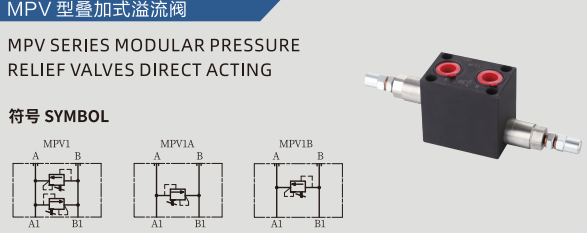
MPV PRESSURE RELIEF VALVES serve as critical pressure control elements within hydraulic systems. These essential components prevent equipment damage by providing robust overload protection. When system pressure surpasses a predetermined threshold, the valve opens, safely diverting excess fluid. HANSHANG designs these vital PRESSURE RELIEF VALVES to maintain system integrity.
Key Takeaways
- MPV PRESSURE RELIEF VALVES protect hydraulic systems. They stop too much pressure from building up. This keeps machines safe and working well.
- These valves work by sensing high pressure. They open to let extra fluid out. This prevents damage to parts and makes equipment last longer.
- Using MPV PRESSURE RELIEF VALVES makes hydraulic systems safer. They also help machines run smoothly. This saves money on repairs and keeps workers safe.
How MPV PRESSURE RELIEF VALVES Ensure Overload Protection
Pressure Sensing and Response of MPV PRESSURE RELIEF VALVES
MPV PRESSURE RELIEF VALVES continuously monitor the hydraulic system’s internal pressure. A spring-loaded poppet or spool inside the valve acts as the primary sensing element. Operators precisely set a maximum allowable pressure limit for the system. When the system pressure rises and reaches this pre-set threshold, the hydraulic force acting on the poppet or spool overcomes the opposing spring force. This mechanical action immediately initiates the valve’s opening sequence. The valve’s design ensures a swift and accurate reaction to any pressure fluctuations, preventing the system from exceeding its safe operating limits.
Fluid Diversion by MPV PRESSURE RELIEF VALVES
Once the valve senses an overpressure condition and begins to open, it creates an alternative flow path. This bypass route allows excess hydraulic fluid to flow away from the main working circuit. The diverted fluid returns directly to the system’s reservoir. This action effectively prevents further pressure buildup within the primary hydraulic lines and components. By redirecting the fluid, the valve unloads the hydraulic pump and protects downstream actuators, cylinders, and motors from excessive force. The system pressure then stabilizes at or below the set relief pressure.
Rapid Pressure Spike Management with MPV PRESSURE RELIEF VALVES
Hydraulic systems often encounter sudden and intense pressure spikes. These dangerous surges can result from abrupt load changes, rapid valve closures, or other operational anomalies. MPV PRESSURE RELIEF VALVES are engineered to react with exceptional speed to these critical events. Their rapid response capability is crucial for preventing catastrophic equipment failures. The quick opening action of the valve dissipates the sudden surge of hydraulic energy. This immediate intervention safeguards expensive components like pumps, cylinders, hoses, and fittings from damage. It ensures the continuous, reliable, and safe operation of the entire hydraulic machinery.
Benefits of MPV PRESSURE RELIEF VALVES for System Integrity
Enhancing Safety with MPV PRESSURE RELIEF VALVES
Hydraulic systems operate under immense pressure. This high pressure poses significant safety risks if uncontrolled. MPV PRESSURE RELIEF VALVES act as essential safety devices. They prevent dangerous overpressure conditions. When pressure exceeds safe limits, the valve opens. This action releases excess fluid, which prevents component rupture. It also stops potential fluid leaks. These leaks can cause slips, fires, or chemical burns. By maintaining pressure within safe operating parameters, these valves protect personnel. They also safeguard the surrounding environment from hazardous incidents. Their reliable operation is crucial for a safe working environment.
Extending Equipment Lifespan via MPV PRESSURE RELIEF VALVES
Overpressure is a major cause of wear and damage in hydraulic machinery. It stresses components beyond their design limits. This stress leads to premature fatigue and failure. MPV PRESSURE RELIEF VALVES prevent this destructive force. They ensure the system never operates above its maximum safe pressure. This protection reduces mechanical strain on pumps, cylinders, hoses, and seals. Less strain means less wear and tear. Equipment lasts longer. Operators experience fewer breakdowns. This extends the overall operational life of expensive hydraulic assets. It also reduces the frequency and cost of repairs and replacements.
Improving System Stability with MPV PRESSURE RELIEF VALVES
Consistent pressure is vital for stable hydraulic system performance. Fluctuations in pressure can lead to erratic operation. This affects precision and efficiency. MPV PRESSURE RELIEF VALVES help maintain a steady operating pressure. They quickly respond to pressure spikes. This prevents the system from becoming unstable. By diverting excess fluid, they ensure the working pressure remains within a narrow, controlled range. This stability allows for smoother machine movements. It improves the accuracy of operations. Consistent pressure also contributes to predictable system behavior. This enhances overall productivity and operational reliability.
Types and Applications of MPV PRESSURE RELIEF VALVES
Common Configurations of MPV PRESSURE RELIEF VALVES
MPV PRESSURE RELIEF VALVES appear in several common configurations. Each design addresses specific hydraulic system requirements. Direct-acting relief valves represent a fundamental type. In these valves, a spring directly resists the system’s hydraulic pressure. They offer a rapid response to pressure increases. This makes them suitable for applications with lower flow rates. Pilot-operated relief valves constitute another significant configuration. These valves employ a small pilot valve to manage a larger main valve. This two-stage design provides highly accurate pressure control. It also allows them to handle higher flow rates and pressures more efficiently. Manufacturers typically construct valve bodies from robust cast materials. A phosphated surface treatment often enhances their resistance to corrosion and wear. These diverse configurations ensure reliable and tailored performance across a broad spectrum of hydraulic setups.
Diverse Industrial Uses for MPV PRESSURE RELIEF VALVES
Industries widely employ these valves across numerous sectors. They provide essential protection for hydraulic systems in various applications. Construction equipment heavily relies on them. Excavators, bulldozers, and mobile cranes use these valves to prevent dangerous overloads. Manufacturing plants also extensively utilize them. Hydraulic presses, injection molding machines, and automated assembly lines benefit from their precise pressure regulation. Agricultural machinery, including tractors, harvesters, and sprayers, incorporates these valves. They safeguard hydraulic cylinders, motors, and pumps from excessive forces. Material handling systems, such as forklifts, stackers, and conveyor belts, also depend on their protective capabilities. These valves ensure operational safety for personnel. They significantly extend the lifespan of expensive hydraulic components. Their adaptability and critical function make them indispensable across modern industrial applications.
MPV PRESSURE RELIEF VALVES play an indispensable role in hydraulic systems. They critically protect equipment from overload. These valves prevent damage and ensure operational safety. Proper implementation of MPV PRESSURE RELIEF VALVES offers significant long-term value. They guarantee system reliability and extend component lifespan.
FAQ
What is the primary role of an MPV PRESSURE RELIEF VALVE?
An MPV PRESSURE RELIEF VALVE protects hydraulic systems. It prevents overpressure conditions. This action safeguards equipment from damage. It ensures safe operation.
How do these valves prevent hydraulic system damage?
These valves sense excessive pressure. They open to divert fluid. This releases pressure. It keeps the system within safe operating limits. This protects components.
Why is fluid cleanliness crucial for MPV PRESSURE RELIEF VALVES?
Clean fluid prevents valve malfunction. Contaminants can block internal passages. This ensures reliable operation. It maintains the valve’s protective function.