


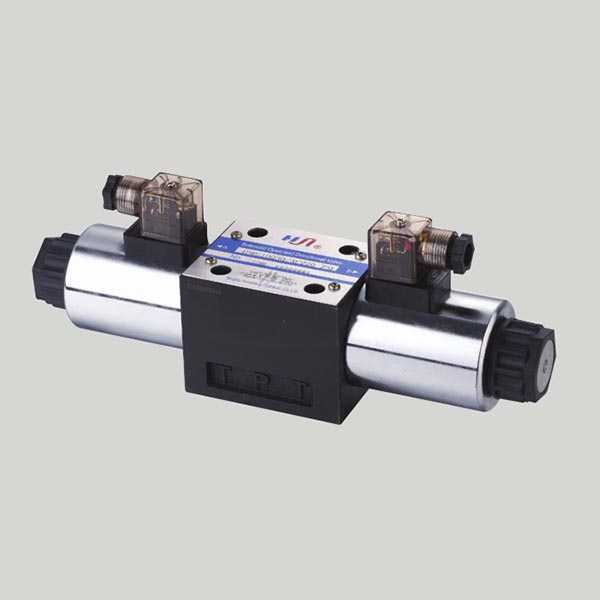
The DWG10 Series solenoid operated directional control valves, produced by a leading China hydraulic stackable valve factory, offer numerous advantages. They provide exceptional reliability and efficiency in various applications. As industries increasingly seek effective fluid control solutions, the demand for these DWG10 Series directional control valves continues to rise.
Key Takeaways
- Choose a clean and dry installation site for DWG10 Series valves to prevent contamination and ensure optimal performance.
- Regularly inspect and maintain the valves by checking for leaks, monitoring pressure, and cleaning to enhance reliability and longevity.
- Use genuine replacement parts and document all maintenance activities to ensure the valves operate efficiently and to assist in troubleshooting.
Installation Tips for DWG10 Series Valves
Preparing the Installation Site
Before installing the DWG10 Series solenoid operated directional control valves, ensure the installation site is suitable. Start by selecting a clean, dry area that is free from dust and debris. This helps prevent contamination that could affect valve performance. Additionally, consider the following:
- Accessibility: Ensure that the valves are easily accessible for maintenance and inspection.
- Vibration Control: Install the valves in a location that minimizes exposure to excessive vibrations, which can lead to premature wear.
- Temperature Regulation: Maintain a stable temperature around the installation site. Extreme temperatures can affect the valve’s operation.
Proper Wiring Techniques
Wiring plays a crucial role in the functionality of the DWG10 Series valves. Follow these guidelines to ensure proper wiring:
- Use Quality Materials: Select high-quality wires and connectors to prevent electrical failures.
- Follow Manufacturer Specifications: Adhere to the wiring diagrams provided by the manufacturer. This ensures correct connections and optimal performance.
- Secure Connections: Make sure all connections are tight and secure. Loose connections can lead to intermittent operation or complete failure.
- Protect Against Moisture: Use waterproof connectors and enclosures to protect the wiring from moisture and environmental factors.
Ensuring Correct Valve Orientation
Correct orientation of the DWG10 Series valves is essential for their proper operation. Follow these steps to ensure the valves are installed correctly:
- Refer to the Manual: Always consult the installation manual for specific orientation instructions.
- Check Flow Direction: Ensure that the flow direction marked on the valve aligns with the system’s flow path. Incorrect orientation can lead to system malfunctions.
- Mounting Position: Install the valves in the recommended mounting position. This may vary depending on the specific application and valve design.
By following these installation tips, users can maximize the performance and longevity of the DWG10 Series solenoid operated directional control valves. Proper preparation, wiring, and orientation are key to achieving reliable and efficient operation.
Maintenance Best Practices for DWG10 Series Valves
Regular Inspection Routines
Regular inspections are vital for maintaining the performance of DWG10 Series solenoid operated directional control valves. Implementing a systematic inspection routine helps identify potential issues before they escalate. Here are key steps to follow:
- Visual Checks: Inspect the valves for any signs of leakage, corrosion, or physical damage. Look for cracks or wear on the valve body and connections.
- Functional Testing: Operate the valves periodically to ensure they respond correctly to electrical signals. Listen for unusual noises that may indicate internal problems.
- Pressure Monitoring: Regularly check the system pressure. Deviations from the normal range can signal issues with the valves or the hydraulic system.
By adhering to these inspection routines, operators can enhance the reliability and longevity of the DWG10 Series valves.
Cleaning and Lubrication Guidelines
Keeping the DWG10 Series valves clean and well-lubricated is essential for optimal performance. Follow these guidelines to maintain cleanliness and lubrication:
- Cleaning Procedures: Use a soft cloth to wipe down the exterior of the valves. For internal cleaning, consult the manufacturer’s recommendations. Avoid using harsh chemicals that could damage the valve components.
- Lubrication Schedule: Establish a lubrication schedule based on the operating environment. Use the recommended lubricants to ensure smooth operation. Apply lubricant to moving parts as specified in the maintenance manual.
- Avoid Contamination: Ensure that no dirt or debris enters the valve during cleaning. Contaminants can lead to malfunction and reduced efficiency.
Implementing these cleaning and lubrication practices will help maintain the functionality of the DWG10 Series solenoid operated directional control valves.
Replacement of Worn Components
Over time, components of the DWG10 Series valves may wear out due to continuous operation. Timely replacement of these components is crucial for maintaining system integrity. Consider the following:
- Identify Worn Parts: During inspections, look for signs of wear on seals, springs, and other critical components. Replace any parts that show significant degradation.
- Use Genuine Parts: Always use genuine replacement parts recommended by the manufacturer. This ensures compatibility and maintains the performance standards of the DWG10 Series valves.
- Document Replacements: Keep a maintenance log that records all replacements and repairs. This documentation helps track the valve’s history and can assist in future troubleshooting.
By following these replacement guidelines, operators can ensure that the DWG10 Series valves continue to perform efficiently and reliably.
Troubleshooting Common Issues with DWG10 Series Valves
Identifying Electrical Problems
Electrical issues can disrupt the operation of DWG10 Series solenoid operated directional control valves. Operators should look for the following signs:
- No Response: If the valve does not respond when activated, check the power supply and connections.
- Intermittent Operation: This may indicate loose wiring or a faulty solenoid. Inspect all connections for security.
- Burnt Components: A burnt smell or visible damage suggests overheating. Replace damaged parts immediately.
Diagnosing Fluid Flow Issues
Fluid flow problems can significantly impact system performance. To diagnose these issues, consider these steps:
- Check for Blockages: Inspect the inlet and outlet ports for debris or obstructions.
- Monitor Pressure Levels: Use a pressure gauge to ensure the system operates within the recommended range. Low pressure may indicate leaks or pump issues.
- Evaluate Flow Direction: Ensure the valve is installed correctly according to the flow direction markings.
Resolving Mechanical Failures
Mechanical failures can lead to system inefficiencies. Operators should take the following actions:
- Inspect Moving Parts: Regularly check for wear on seals, springs, and spools. Replace any worn components to maintain functionality.
- Lubricate Regularly: Ensure that all moving parts receive adequate lubrication to prevent sticking or jamming.
- Consult the Manual: Refer to the manufacturer’s manual for specific troubleshooting guidelines tailored to the DWG10 Series valves.
By following these troubleshooting steps, operators can effectively address common issues and maintain the reliability of DWG10 Series solenoid operated directional control valves.
Maximizing Efficiency of DWG10 Series Valves
Optimizing System Pressure
To maximize the efficiency of DWG10 Series solenoid operated directional control valves, operators must optimize system pressure. Maintaining the correct pressure ensures that the valves function effectively. Operators should regularly monitor pressure levels using gauges. They can adjust the pressure settings based on the specific requirements of their hydraulic systems.
Adjusting Flow Rates
Adjusting flow rates is another critical factor in enhancing the performance of DWG10 Series valves. Operators can achieve this by modifying the valve settings or using flow control devices. Proper flow rate adjustments help prevent cavitation and ensure smooth operation. Operators should consult the manufacturer’s guidelines to determine the optimal flow rates for their applications.
Implementing Control Strategies
Implementing effective control strategies can significantly improve the efficiency of DWG10 Series solenoid operated directional control valves. Operators should consider using programmable logic controllers (PLCs) to automate valve operations. This automation allows for precise control over fluid dynamics, reducing energy consumption and enhancing system responsiveness. Regularly reviewing and updating control strategies ensures that operators adapt to changing operational needs.
By focusing on these areas, operators can maximize the efficiency of their DWG10 Series valves, leading to improved performance and reliability in their hydraulic systems.
The DWG10 Series solenoid operated directional control valves offer reliability and efficiency in fluid control applications. Implementing the provided tips enhances performance and extends valve lifespan. Continuous education in fluid control technology empowers operators to adapt to advancements and optimize their systems effectively.
FAQ
What applications are suitable for DWG10 Series valves?
DWG10 Series valves are ideal for hydraulic systems requiring precise flow control, such as manufacturing, construction, and automotive industries.
How do I know when to replace my DWG10 Series valve?
Operators should replace the valve when they notice significant wear, leakage, or when performance drops below acceptable levels.
Can I use DWG10 Series valves in extreme temperatures?
Yes, DWG10 Series valves can operate in various temperatures. However, always consult the manufacturer’s specifications for optimal performance conditions.