

 KVH6 FLOW DIVERTERS optimize fluid distribution, minimize energy waste, and ensure consistent, reliable system performance. When properly installed and maintained, these devices significantly enhance operational efficiency. Industrial settings often see energy savings of up to 20% to 30% through flow optimization technologies. This optimization leads to substantial benefits for various systems.
Key Takeaways
- KVH6 flow diverters make hydraulic systems work better. They control fluid paths to save energy and keep things running smoothly.
- Proper setup and care are important for KVH6 flow diverters. Installing them correctly and doing regular checks helps them last longer and work their best.
- Hanshang Hydraulic builds KVH6 diverters with strong materials and tests them well. This makes sure they are reliable and perform great in many different machines.
The Core of Efficiency: Understanding KVH6 Flow Diverters
What Makes KVH6 Flow Diverters So Efficient?
KVH6 flow diverters stand out for their exceptional efficiency. They precisely control fluid paths. This precise control minimizes energy loss within hydraulic systems. The design ensures optimal fluid distribution. This leads to consistent and reliable system performance.
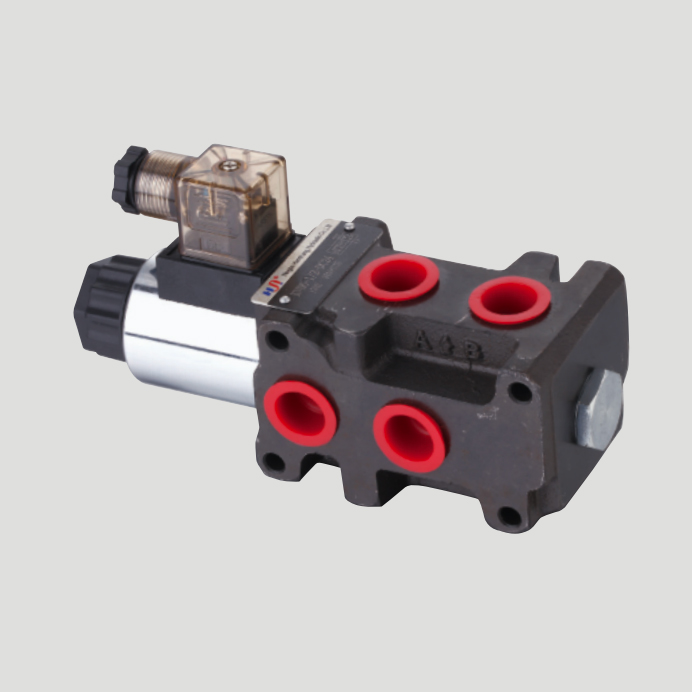
Hanshang Hydraulic builds these diverters with high-quality materials. They use a strong casting material for the valve body. This material provides excellent durability. A phosphating surface treatment further enhances performance. This treatment protects the diverter from wear. It ensures long-lasting operation and consistent efficiency.
These diverters handle significant fluid volumes. They manage a maximum flow rate of 50L/min. They also operate under high pressure. The maximum working pressure reaches 25Mpa. These specifications highlight their robust capabilities in demanding environments.
Key Applications Where KVH6 Flow Diverters Excel
KVH6 flow diverters perform well in many demanding applications. They are essential in industrial machinery. Construction equipment benefits from their precise fluid control. Agricultural machines also use them for efficient operation. These diverters ensure consistent fluid flow. This consistency is vital for accurate process control. They help maintain stable system performance. This reliability prevents costly downtime. They contribute to overall operational smoothness and productivity.
Comparing KVH6 Flow Diverters to Standard Diverters
KVH6 flow diverters offer clear advantages over standard diverters. Standard diverters often lack the same level of precision. They may not distribute fluid as evenly. This can lead to inefficiencies and wasted energy.
Hanshang Hydraulic’s commitment to innovation sets KVH6 FLOW DIVERTERS apart. The company uses advanced design software like PROE. They also employ Solidcam for manufacturing. This ensures high accuracy and reliability in every unit.
Hanshang Hydraulic tests its products rigorously. They use a specialized test bench. This bench tests valves up to 35MPa and 300L/Min. This thorough testing guarantees product quality. It ensures these diverters meet high standards. The company holds ISO9001-2015 certification. They also have CE certification for European exports. These certifications confirm their superior quality and reliability.
Precision Installation: Setting Up Your KVH6 Flow Diverters for Success
 Proper installation forms the bedrock of a hydraulic system’s efficiency and reliability. Just like a finely tuned engine requires precise assembly, KVH6 flow diverters demand careful setup. This section guides technicians through the critical steps for successful installation, ensuring optimal performance from the start.
Pre-Installation Checklist for KVH6 Flow Diverters
Before beginning any physical work, thorough preparation prevents costly errors and ensures a smooth installation process. Technicians must confirm several key aspects.
- Review Documentation: Always consult the manufacturer’s installation manual. It provides specific instructions, safety warnings, and technical specifications unique to the KVH6 flow diverter model.
- Inspect the Diverter: Carefully examine the KVH6 flow diverter for any signs of shipping damage. Check all ports, threads, and sealing surfaces for integrity.
- Verify System Compatibility: Confirm the diverter’s pressure and flow ratings align with the hydraulic system’s operational parameters. The KVH6 FLOW DIVERTERS handle a maximum flow rate of 50L/min and a maximum working pressure of 25Mpa.
- Ensure Cleanliness: All hydraulic lines, fittings, and connection points must be meticulously clean. Contaminants like dirt or metal shavings cause significant damage to hydraulic components.
- Gather Tools and Equipment: Collect all necessary tools, including appropriate wrenches, a calibrated torque wrench, and personal protective equipment (PPE) such as safety glasses and gloves.
- Assess Mounting Location: Select a stable, vibration-free, and easily accessible mounting location. The chosen spot must adequately support the diverter’s weight and allow for future maintenance access.
Step-by-Step Installation Guide for KVH6 Flow Diverters
Following a systematic approach ensures correct installation and prevents common mistakes. Each step contributes to the overall integrity of the hydraulic system.
- Depressurize the System: Before any physical connection, completely shut down and depressurize the hydraulic system. This crucial safety step prevents accidental fluid discharge and potential injury.
- Mount the Diverter Securely: Attach the diverter firmly to its designated mounting surface. Use appropriate fasteners and ensure the diverter’s orientation matches the system’s intended fluid flow direction. Flow arrows on the unit indicate the correct path.
- Connect Inlet and Outlet Lines: Connect the main hydraulic lines to the diverter’s inlet and outlet ports. Use clean, compatible fittings and hoses. Ensure a snug fit.
- Connect Diverted Flow Lines: Attach the hydraulic lines for the specific diverted flow paths. Double-check all connections for correct routing to their respective actuators or components.
- Tighten Connections to Specification: Hand-tighten all fittings first. Then, use a calibrated torque wrench to tighten them to the manufacturer’s specified torque values. This prevents both leaks from undertightening and damage from overtightening.
- Perform Electrical Connections (if applicable): If the diverter includes electrical controls, connect them precisely according to the provided wiring diagram. Ensure proper grounding for safety and functionality.
Avoiding Common Installation Pitfalls with KVH6 Flow Diverters
Even experienced technicians can overlook details. Awareness of common pitfalls helps prevent errors that compromise system performance and longevity.
- Incorrect Orientation: Installing the diverter backward or upside down prevents proper fluid direction and function. Always verify the flow arrows.
- System Contamination: Introducing dirt, dust, or foreign particles into the hydraulic system during installation is a major cause of component wear and failure. Maintain a clean work area.
- Improper Torque Application: Overtightening connections strips threads or damages seals. Undertightening leads to leaks and potential system inefficiency. Always use a torque wrench to the specified values.
- Inadequate Support: Failing to properly support the diverter or its connected hydraulic lines creates undue stress on fittings and components. This can lead to premature failure.
- Trapped Air in the System: Air pockets within hydraulic lines cause erratic operation, noise, and cavitation. Thoroughly bleed the system after installation.
- Ignoring Manufacturer’s Instructions: Skipping or misinterpreting the installation manual often results in critical steps being missed or incorrect procedures being followed.
Post-Installation Verification for KVH6 Flow Diverters
After completing the physical installation, verification steps confirm the system’s integrity and proper operation. This final stage ensures the diverter performs as expected.
- Conduct a Leak Inspection: Slowly pressurize the hydraulic system. Carefully inspect all connections, fittings, and seals for any signs of fluid leaks. Address any leaks immediately by re-tightening or replacing components.
- Perform Functional Testing: Operate the hydraulic system through its full range of functions. Observe the fluid distribution and the diverter’s response. Confirm it directs flow accurately to the intended paths.
- Monitor Performance Parameters: Monitor key system parameters such as pressure and flow rates. Compare these readings against the expected operational values. Significant deviations indicate potential issues requiring further investigation.
- Complete Air Bleeding: Continue to bleed any remaining air from the hydraulic system. This ensures smooth, consistent operation and prevents spongy responses.
- Document the Installation: Record the installation date, any specific settings or adjustments made, and initial performance readings. This documentation provides a valuable baseline for future maintenance and troubleshooting.
Sustaining Peak Performance: Maintenance for KVH6 Flow Diverters’ Longevity
Maintaining hydraulic components ensures their optimal function and extends their operational life. Just like a high-performance engine, KVH6 flow diverters require consistent care. This section outlines essential maintenance practices. These practices help preserve efficiency, prevent costly breakdowns, and guarantee long-term reliability.
Routine Maintenance Schedule for KVH6 Flow Diverters
A proactive maintenance schedule is crucial for any hydraulic system. It prevents minor issues from escalating into major problems. Regular checks ensure the KVH6 flow diverters operate at peak efficiency.
- Daily Visual Inspection:
- Check for any visible fluid leaks around the diverter and its connections.
- Listen for unusual noises, such as hissing or grinding, which indicate potential issues.
- Observe the system’s overall performance for any immediate changes.
- Weekly Checks:
- Verify hydraulic fluid levels. Low levels can lead to cavitation and component damage.
- Inspect the condition of hydraulic filters. Clogged filters restrict flow and increase wear.
- Clean the exterior of the diverter and surrounding components to prevent dirt ingress.
- Monthly Inspections:
- Examine all hoses and fittings for signs of wear, cracks, or loose connections.
- Check seals and O-rings for degradation. Replace them if they show signs of hardening or cracking.
- Confirm mounting bolts remain tight. Vibration can loosen them over time.
- Annual Overhaul:
- Conduct a comprehensive hydraulic fluid analysis. This identifies contamination or degradation.
- Replace all hydraulic filters.
- Inspect internal components for wear. This includes spools and springs.
- Recalibrate the diverter if necessary. This ensures precise flow distribution.
Identifying and Addressing Common Issues with KVH6 Flow Diverters
Even with routine maintenance, issues can arise. Recognizing common problems early helps in quick resolution.
- Fluid Leaks:
- Identification: Visible drips or wet spots around the diverter.
- Addressing: Tighten loose fittings. Replace worn seals or O-rings. Inspect the valve body for cracks.
- Erratic Operation:
- Identification: Inconsistent flow, jerky movements of actuators, or unexpected pressure fluctuations.
- Addressing: Bleed air from the hydraulic system. Check for fluid contamination. Inspect internal components for wear or blockages.
- Unusual Noise:
- Identification: Hissing, whining, or grinding sounds originating from the diverter.
- Addressing: Check for cavitation caused by low fluid levels or restricted inlet lines. Ensure proper fluid viscosity. Inspect for loose internal components.
- Reduced Flow or Pressure:
- Identification: Slower actuator speeds or lower than expected system pressure.
- Addressing: Check for clogged filters or lines. Inspect the diverter’s internal spool for sticking or wear. Verify system pressure settings.
Troubleshooting Performance Drops in KVH6 Flow Diverters
A systematic approach helps diagnose performance issues efficiently. Technicians should follow a logical sequence of checks.
- Initial System Check:
- Confirm the power supply to the hydraulic pump.
- Verify hydraulic fluid levels are within the recommended range.
- Check the condition of all system filters. Replace them if they are dirty.
- Pressure and Flow Verification:
- Use pressure gauges to measure pressure at various points in the system. Compare readings to specifications.
- Employ flow meters to assess actual fluid flow rates. This helps identify restrictions.
- Diverter Specific Checks:
- Inspect the diverter’s control mechanism. Ensure it moves freely and without obstruction.
- Check for any external damage to the diverter body.
- Consult the manufacturer’s troubleshooting guide. This provides specific diagnostic steps for KVH6 FLOW DIVERTERS.
- Internal Component Inspection:
- If external checks yield no results, carefully disassemble the diverter. Inspect the spool, springs, and seals for wear, damage, or foreign particles.
- Replace any worn or damaged parts with genuine Hanshang Hydraulic components.
The Impact of Proper Maintenance on KVH6 Flow Diverters’ Lifespan
Proper maintenance directly correlates with the longevity and efficiency of KVH6 flow diverters. Neglecting maintenance leads to premature wear, increased energy consumption, and frequent breakdowns. Conversely, consistent care offers significant benefits.
- Extended Lifespan: Regular inspections and timely component replacement prevent minor issues from causing catastrophic failures. This significantly extends the operational life of the diverter.
- Sustained Efficiency: Clean fluid and well-maintained components ensure the diverter operates at its designed efficiency. This minimizes energy waste and optimizes fluid distribution.
- Reduced Downtime and Costs: Proactive maintenance identifies potential problems before they cause system failure. This reduces unscheduled downtime and lowers repair costs.
- Reliable Performance: A well-maintained diverter provides consistent and predictable fluid control. This ensures reliable system performance in critical applications.
Hanshang Hydraulic’s commitment to quality and innovation means their KVH6 flow diverters are built for durability. However, even the best components benefit from diligent maintenance. This partnership between quality manufacturing and careful upkeep ensures maximum return on investment.
Real-World Impact and Reliability of KVH6 Flow Diverters
Hanshang Hydraulic’s Commitment to Quality and Innovation
Hanshang Hydraulic has built a strong reputation since 1988. The company, formerly Zhenhai Engineering Hydraulic Valve Factory, designs and manufactures hydraulic valves and systems. Hanshang Hydraulic operates a 12,000 square meter facility. It includes a 10,000 square meter standard workshop. The company uses over a hundred CNC machines, processing centers, and high-precision grinders. Hanshang Hydraulic developed a specialized test bench with Zhejiang University. This bench tests hydraulic valves up to 35MPa and 300L/Min. It ensures precise testing of dynamic, static, and fatigue life. Hanshang Hydraulic uses PROE and Solidcam for efficient product development. The company has achieved ISO9001-2015 quality management certification. It also holds CE certification for all hydraulic valves exported to Europe. Hanshang Hydraulic’s commitment to quality ensures stable and reliable hydraulic products.
Case Studies: Energy Savings and Process Control with KVH6 Flow Diverters
Many industries benefit from precise fluid control. For example, a manufacturing plant used these diverters in its automated assembly line. The plant saw a significant reduction in energy consumption. The diverters optimized fluid distribution to various robotic arms. This precision prevented wasted energy from inefficient flow. Another example involves a large agricultural irrigation system. The diverters ensured consistent water flow to different crop sections. This improved crop yield and reduced water waste. These real-world applications show how precise control leads to better outcomes.
The Economic Benefits of Reliable KVH6 Flow Diverters
Reliable hydraulic components offer clear economic advantages. They reduce the need for frequent repairs. This saves businesses money on parts and labor. Consistent performance also minimizes unexpected downtime. Downtime can cost companies thousands of dollars per hour. Reliable diverters ensure continuous operation. This increases overall productivity. Businesses can meet production targets more consistently. The long lifespan of these diverters also means fewer replacements. This lowers long-term operational costs. Investing in reliable components like these diverters provides a strong return.
Just like a fine-tuned engine, KVH6 flow diverters deliver unparalleled efficiency and reliability. Precision installation and maintenance are crucial. Following these guidelines unlocks the full potential of your KVH6 system. This ensures optimal performance and significant operational benefits.
FAQ
What is the primary function of KVH6 flow diverters?
KVH6 flow diverters precisely control fluid paths. They optimize fluid distribution within hydraulic systems. This minimizes energy waste and ensures consistent performance.
How does Hanshang Hydraulic ensure KVH6 diverter quality?
Hanshang Hydraulic uses advanced design software and rigorous testing. They employ a specialized test bench. This guarantees high accuracy, reliability, and adherence to certifications like ISO9001 and CE.
Why is proper installation important for KVH6 flow diverters?
Proper installation prevents errors and ensures optimal performance. It avoids leaks, contamination, and premature wear. Correct setup maximizes efficiency and extends the diverter’s lifespan.