


A mobile hydraulic valve stands as a critical component within hydraulic systems. These systems are specifically designed for mobile machinery operations. This essential valve primarily controls the direction, pressure, and flow of hydraulic fluid. It effectively actuates various operational functions, ensuring precise machine performance.
Key Takeaways
- Mobile hydraulic valves control how hydraulic fluid moves. They manage its direction, pressure, and flow. This helps mobile machines work correctly.
- These valves are important for safety and efficiency. They stop too much pressure and help machines use less energy. This keeps equipment working well and prevents accidents.
- Different types of valves do different jobs. Directional valves guide fluid, pressure valves keep pressure safe, and flow valves control speed. Each valve helps the machine do its specific tasks.
Understanding the Mobile Hydraulic Valve
Defining a Mobile Hydraulic Valve
A mobile hydraulic valve is a specialized component within hydraulic systems, specifically engineered for mobile machinery. These valves are distinct due to several key characteristics. They often feature a compact size and are lightweight, making them ideal for integration into space-constrained mobile equipment. Their design, particularly in monoblock configurations, results in fewer leak points compared to other valve types, enhancing system reliability. Furthermore, these valves are typically cost-effective solutions for controlling hydraulic functions. Manufacturers offer various operational methods for a mobile hydraulic valve, including manual, pneumatic, hydraulic, and electro-hydraulic controls. These controls can provide both on/off and proportional capabilities, allowing for precise management of hydraulic power.
Core Function of a Mobile Hydraulic Valve
The core function of a mobile hydraulic valve involves precisely controlling the hydraulic fluid within a system. This control encompasses three main aspects: direction, pressure, and flow.
- Directional Control: Directional control valves manage the path of hydraulic fluid. This function is crucial for directing movement or for shutting off an appliance. These valves are characterized by their “ways” (work ports) and “positions” (positional envelopes). For example, a directional control valve can route fluid to extend a cylinder or retract it. Common types include check valves and pilot-operated proportional valves. Both monoblock and sectional designs are prevalent in mobile hydraulic applications.
- Pressure Control: Pressure control valves limit the pressure within a hydraulic system or a specific sub-circuit. Most of these valves operate using a poppet against a spring mechanism. They prevent system overpressure, protecting components from damage. Examples include relief valves, which open to release excess pressure, and pressure-reducing valves, which lower pressure to a specific level for a part of the circuit. Sequence valves and counterbalance valves also fall under this category, each serving specific pressure management roles.
- Flow Control: Flow control valves regulate or restrict the rate of fluid flow. This regulation is essential for controlling the speed of actuators, such as cylinders or motors. Simple needle valves can restrict flow, while more complex priority flow controls ensure critical functions receive adequate flow first. Ideally, these valves are pressure-compensated. This compensation ensures consistent flow regardless of variations in the load, maintaining smooth and predictable operation of the mobile equipment.
Types of Mobile Hydraulic Valves and Their Operations
Mobile hydraulic systems rely on various valve types, each performing a specific function to ensure precise and efficient operation. These valves control the direction, pressure, and flow of hydraulic fluid, enabling machinery to perform complex tasks.
Directional Control Mobile Hydraulic Valves
Directional control valves manage the path of hydraulic fluid within a system. They direct fluid to specific actuators or components, initiating movement or stopping functions. These valves vary significantly in their operation and design. They categorize directional control mobile hydraulic valves by their power type and structural design. Power types include manual, where a user operates levers or paddles directly. Mechanical valves activate through mechanisms like cams or rollers, though these are prone to wear. Hydraulic valves function effectively at higher pressures compared to pneumatic systems. Solenoid valves utilize electromechanical solenoids to move the spool, a common feature in the hydraulics industry.
Structural types also define these valves. Hydraulic check valves are simple and common; they prevent fluid flow in one direction while allowing it in the opposite, also known as non-return valves. Directional spool valves feature a moving spool within a housing; an external force shifts the spool to connect or separate internal channels. Directional poppet valves, often called cartridge valves, fit into housing bores with threaded connections and can incorporate various seating elements such as balls, poppets, or plates.
Pressure Control Mobile Hydraulic Valves
Pressure control valves are essential for maintaining system integrity and preventing damage. They limit the pressure within a hydraulic system or a specific sub-circuit. A Relief Valve is a crucial control device in nearly every hydraulic system. It protects the system from excessive pressure that could lead to mechanical failure. This valve operates mechanically, opening to relieve pressure when it exceeds a set spring force and then re-seating for normal operation. Counterbalance valves are essentially relief valves used to create back pressure in a system, typically preventing a load from accelerating uncontrollably during lowering. They are usually set at a pressure 30% higher than the load-induced pressure. The HydraForce RV10-20 Pressure Control Valve regulates and maintains consistent pressure in hydraulic systems, ensuring safe and efficient operation. Pressure Control Valves generally maintain consistent pressure levels in a system, helping to avoid overloads and potential damage.
Common types of pressure control valves include Relief Valves, Pressure Reducing Valves, Sequence Valves, and Crossline Relief Valves. Relief valves protect the system in several ways. They maintain system pressure at a safe level by diverting excess fluid when pressure exceeds a specific point. These valves also regulate the flow of hydraulic fluid to ensure it does not surpass the maximum pressure threshold. By preventing excessive pressure, they safeguard sensitive components from damage or failure. A pressure control or pressure relief valve prevents system pressure from exceeding a pre-set value. When system pressure rises above this pre-set value, fast-acting relief valves divert excess fluid through a flanged outlet. This action prevents damage from a pressure surge. It protects pipes, valves, pumps, and other components from damaging overpressure events like pressure surges and water hammer, while also maintaining a consistent pressure rating for hydraulic efficiency.
Flow Control Mobile Hydraulic Valves
Flow control valves regulate or restrict the rate of fluid flow. This regulation is critical for controlling the speed of actuators, such as cylinders or motors, ensuring smooth and predictable movement in mobile equipment. The main categories of flow control mobile hydraulic valves include Flow Control Valves, Flow Divider Valves, Stainless Steel Flow Control Valves, and Walvoil Geared Flow Dividers.
A needle valve precisely regulates the flow rate of hydraulic fluid through its unique design. A needle valve’s plunger has a tapered end that moves up and down to open or close an orifice. The handle connects to the plunger (stem). Turning the handle moves the plunger up or down through threads. As the plunger moves down, its pointed (tapered) end contacts the valve seat to seal the orifice. The tapered design of both the plunger and often the valve seat allows for accurate flow control. The needle or plunger is a slender, tapered shaft that moves to control fluid flow. The seat is the opening against which the needle presses to restrict or stop flow. The stem and handle mechanism allows the operator to rotate and adjust the needle’s position. As the operator turns the stem, the needle gradually moves away from or towards the seat, enabling precise flow control. This valve features a long, tapered point (the needle) that fits into a seat. This design permits fine adjustments in flow rates by moving the needle closer to or further from the seat. Turning the handwheel or actuator adjusts the needle’s position relative to the seat. The tapered design of the needle allows for fine control, enabling the valve to be opened or closed to various degrees. Opening the valve: Turning the handwheel raises the needle, allowing fluid to flow, with the degree of lift determining the flow rate. Closing the valve: Turning the handwheel lowers the needle into the seat, progressively restricting fluid flow until it is shut off.
Applications of Mobile Hydraulic Valves in Equipment
Common Mobile Equipment Applications
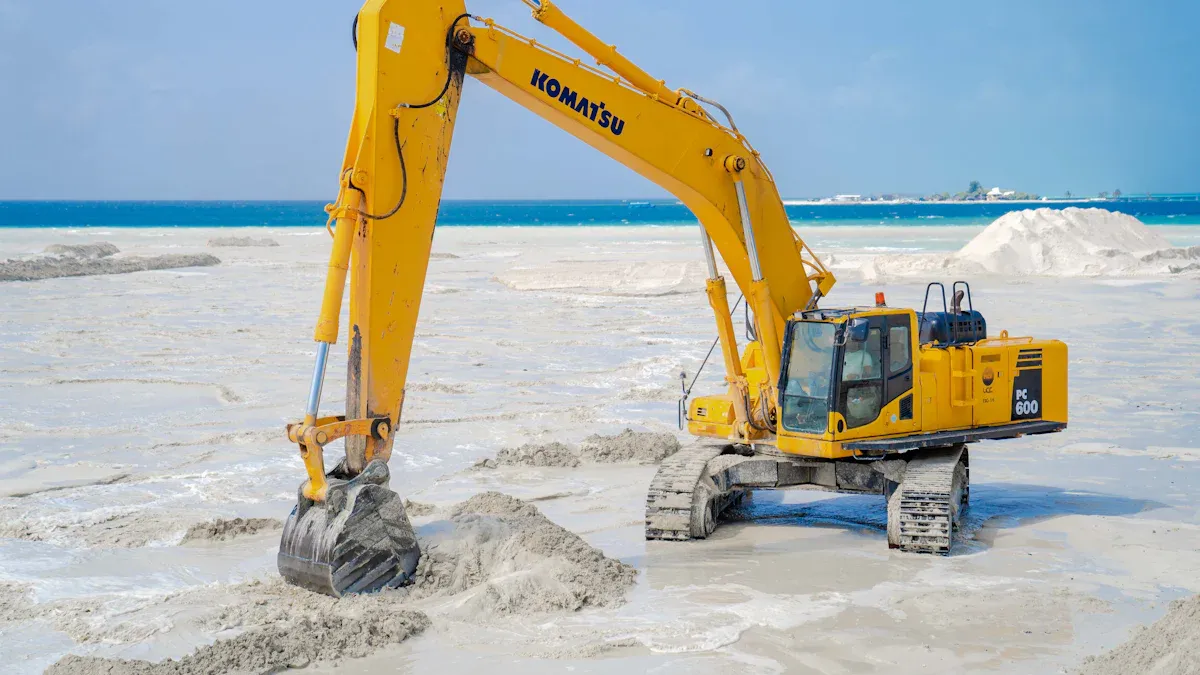
Mobile hydraulic valves are indispensable components across a wide range of heavy machinery. They enable precise control and operation in various sectors. For instance, construction machinery like excavators and bulldozers heavily rely on these valves for their complex movements. Agricultural machinery, including tractors and harvesters, also utilizes them for efficient field operations. Other equipment such as mobile cranes, mini dumpers, forklift trucks, loaders, and utility vehicles all depend on these valves. In excavators, monoblock valves regulate fluid flow to lifting arms and other components, ensuring precise movement. In-line valves are also crucial for the precise movement of excavator arms, regulating volume flow or acting as lowering brake valves for hydraulic cylinders.
Importance for Efficient and Safe Operations
Mobile hydraulic valves are vital for both the efficiency and safety of heavy equipment. They enhance energy efficiency by regulating fluid flow and pressure. Flow control valves, for example, allow operators to precisely adjust actuator speed, which reduces overall energy consumption. These valves also improve system responsiveness and prevent issues like over-pumping or cavitation, which waste energy. From a safety perspective, malfunctioning valves pose significant risks. They can lead to uncontrolled high pressure, causing component failure, seal damage, and uncontrolled energy release. Metering devices like valves prevent fluid runaway; if they malfunction, loads can drop, especially in cylinder applications. A leak in a cylinder hose, if not prevented by safety valves like counterbalance valves, can cause a load to drop, leading to catastrophic failure and personal injury. Pressure control valves, relief valves, and counterbalance valves are crucial for preventing these issues by limiting pressure and controlling load movement.
Mobile hydraulic valves are indispensable for the precise control of mobile machinery. These critical components effectively manage fluid direction, pressure, and flow. This capability ensures efficient and safe hydraulic operations. Understanding these valves is key to optimizing the performance and reliability of mobile hydraulic systems.
FAQ
What is the main purpose of a mobile hydraulic valve?
A mobile hydraulic valve precisely controls hydraulic fluid. It manages the fluid’s direction, pressure, and flow. This control actuates various functions in mobile machinery.
How do directional control valves operate?
Directional control valves guide hydraulic fluid’s path. They direct fluid to specific actuators, initiating or stopping movement. These valves use spools or poppets to connect or block internal channels.
Why are pressure control valves essential for mobile equipment?
Pressure control valves protect hydraulic systems. They limit pressure to prevent component damage and ensure safe operation. Relief valves, for instance, release excess pressure when it exceeds a set limit.