

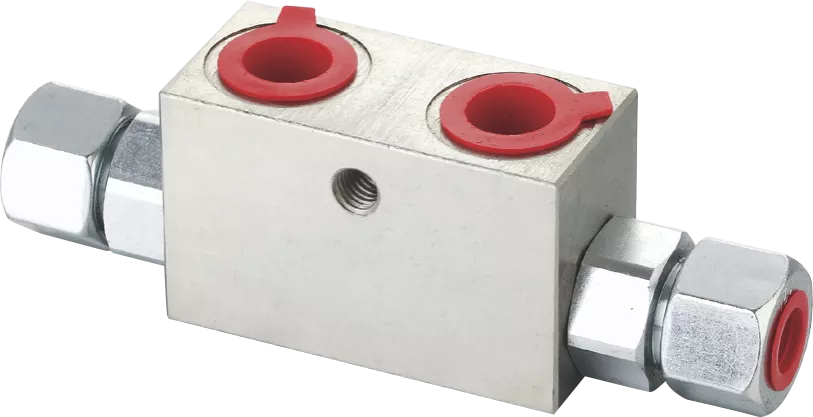
The VBPDE double direction hydraulic lock functions as a critical safety device. It prevents hydraulic cylinders from unintended movement when control valves are neutral or pressure is lost. This direction hydraulic lock secures the cylinder by blocking oil flow to and from both piston sides. Hanshang produces these essential valves, ensuring system stability and safety.
Key Takeaways
- A VBPDE hydraulic lock stops hydraulic cylinders from moving by accident. It keeps them still when the machine is not working or loses power.
- This lock works by trapping oil inside the cylinder. This makes the cylinder hold its position firmly, like a solid bar.
- The lock uses a small amount of oil pressure to open. This allows the cylinder to move smoothly when needed.
Understanding the Purpose of a VBPDE Double Direction Hydraulic Lock
Why Hydraulic Cylinders Need Locking
Hydraulic cylinders perform critical tasks in many machines. They often hold heavy loads or maintain precise positions. However, external forces can push against a cylinder rod. Internal leakage within the cylinder or control valve can also occur. These factors cause the cylinder to drift or move unintentionally. Such uncontrolled movement poses significant safety risks. It can also lead to operational inefficiencies and damage to equipment. Therefore, a reliable mechanism is essential to secure cylinders when they are not actively moving.
Preventing Unintended Movement and Ensuring Safety
The VBPDE double direction hydraulic lock provides this crucial security. It acts as a robust safety device. This lock prevents hydraulic cylinders from drifting in either direction. It engages when the control valve is in its neutral position. The lock also activates if the hydraulic system loses pressure. By blocking oil flow to and from both sides of the piston, the lock effectively holds the cylinder in its exact position. This ensures stability for the entire hydraulic system. It also protects operators from unexpected cylinder movements. This precise control and enhanced safety are vital for many industrial and mobile applications.
Key Components of the VBPDE Double Direction Hydraulic Lock
The VBPDE DOUBLE DIRECTION HYDRAULIC LOCK consists of several crucial parts. These components work together to ensure reliable cylinder locking and unlocking. Understanding each part helps clarify the valve’s operation.
Pilot-Operated Check Valves
Pilot-operated check valves form the core of this hydraulic lock. Each lock contains two of these valves. They allow hydraulic fluid to flow freely in one direction. However, they block flow in the opposite direction. An external pilot pressure signal can open these valves. This signal allows fluid to flow in the normally blocked direction. This dual action enables both locking and controlled unlocking of the cylinder.
Pilot Lines for Control
Pilot lines are small passages within the valve. They transmit pilot pressure. When hydraulic fluid flows into one side of the cylinder, a small portion of this fluid diverts. This diverted fluid becomes pilot oil. It travels through a pilot line to the opposite pilot-operated check valve. This pilot pressure then acts on that check valve. It causes the valve to open, allowing fluid to return from the cylinder. This coordinated action ensures smooth cylinder movement.
Valve Body and Port Connections
The valve body houses all internal components. It is a robust metal casing. The body contains precisely machined passages for oil flow. It also features several port connections. Two main ports connect directly to the hydraulic cylinder. Other ports connect to the system’s control valve. This design integrates the check valves and pilot lines into a single, compact unit. The connections ensure proper routing of hydraulic fluid and pilot signals.
How the VBPDE Double Direction Hydraulic Lock Achieves Locking
When the Cylinder is Stationary
A hydraulic cylinder becomes stationary when the system’s control valve moves into its neutral position. This means the control valve stops directing hydraulic oil flow to either side of the cylinder. In this specific state, the VBPDE DOUBLE DIRECTION HYDRAULIC LOCK automatically engages. It prevents any unintended movement of the cylinder. The pilot-operated check valves inside the lock remain closed. No pilot pressure acts upon them. This closure effectively isolates the cylinder chambers from the rest of the hydraulic circuit.
Trapping Oil in Both Cylinder Chambers
The closed pilot-operated check valves perform a critical function. They block the flow of hydraulic oil both into and out of the cylinder chambers. This action traps a fixed volume of oil on each side of the cylinder piston. This trapped oil creates a rigid hydraulic column. It acts like a solid bar. The cylinder cannot extend or retract. External forces, such as gravity or an applied load, cannot push the piston. Internal leakage within the cylinder or control valve also cannot cause drift. This secure trapping of oil ensures the cylinder remains precisely in its last commanded position. It provides stability and safety for the entire system.
How the VBPDE Double Direction Hydraulic Lock Enables Unlocking
The VBPDE DOUBLE DIRECTION HYDRAULIC LOCK provides a secure hold on hydraulic cylinders. However, it also allows for precise and controlled movement when required. This unlocking process relies on the strategic application of pilot pressure. It ensures the cylinder can extend or retract smoothly.
Extending the Cylinder with Pilot Pressure
When an operator wishes to extend the hydraulic cylinder, the system’s control valve directs pressurized hydraulic oil. This oil flows to the rod end of the cylinder. A small, carefully measured portion of this incoming oil diverts. It then travels through a dedicated pilot line. This pilot line leads to the pilot-operated check valve located on the cylinder’s cap end side. The diverted oil creates pilot pressure. This pilot pressure acts upon the check valve. It causes the check valve to open. This opening allows the oil trapped in the cap end of the cylinder to flow freely back to the hydraulic tank. With the return path open, the pressurized oil at the rod end can push the piston. The cylinder extends in a controlled and predictable manner.
Retracting the Cylinder with Pilot Pressure
Conversely, the process for retracting the cylinder follows a similar principle. The control valve directs pressurized hydraulic oil to the cap end of the cylinder. This incoming oil also supplies pilot pressure. It travels through a pilot line. This line connects to the pilot-operated check valve on the cylinder’s rod end side. The pilot pressure acts on this check valve. It causes the valve to open. This action releases the oil trapped in the rod end of the cylinder. The oil can then return to the hydraulic tank. With the return path clear, the pressurized oil at the cap end pushes the piston. The cylinder retracts smoothly and efficiently.
Coordinated Pilot Operation for Smooth Movement
The VBPDE DOUBLE DIRECTION HYDRAULIC LOCK ensures a highly coordinated operation. As the system applies pressure to one side of the cylinder, it simultaneously generates the necessary pilot pressure. This pilot pressure then opens the return path on the opposite side. This synchronized action is crucial. It prevents any sudden pressure build-up. It also avoids cavitation, which can damage hydraulic components. The coordinated pilot operation guarantees smooth, controlled movement of the cylinder in both extension and retraction. This precise control enhances the overall performance and safety of the hydraulic system.
Benefits of Using a VBPDE Double Direction Hydraulic Lock
Enhanced Safety and Stability
The VBPDE double direction hydraulic lock significantly improves operational safety. It prevents hydraulic cylinders from drifting or moving unexpectedly. This feature protects personnel working near hydraulic machinery. It also safeguards valuable equipment from potential damage caused by uncontrolled cylinder movement. The lock ensures the cylinder remains firmly in place, even during power loss or system shutdown. This inherent stability makes hydraulic systems more reliable and predictable in various applications.
Precise Positioning and Control
Operators achieve superior control over hydraulic cylinder positioning with this lock. The VBPDE lock holds the cylinder exactly where commanded. This precision is crucial for tasks requiring high accuracy, such as lifting, clamping, or manipulating materials. It eliminates the slight movements that can occur due to internal valve leakage or external forces. This precise control leads to better work quality and increased efficiency in automated processes.
Protection Against External Forces and Leakage
The VBPDE double direction hydraulic lock offers robust protection. It effectively resists external forces that might try to push or pull the cylinder rod. This resistance prevents unwanted displacement of heavy loads or critical components. Furthermore, the lock counters the effects of internal leakage within the cylinder or control valve. By trapping oil in both chambers, it maintains pressure and prevents cylinder drift. This protection ensures long-term reliability and consistent performance of the hydraulic system.