

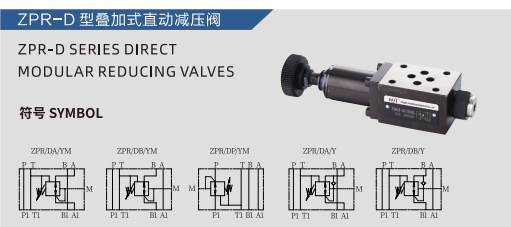
Reducing valves play a crucial role in enhancing system efficiency. They maintain steady pressure, ensuring smooth operation and preventing damage to plumbing fixtures. This stability not only cuts down on operational costs but also boosts reliability, making them a smart choice for various applications.
Key Takeaways
- Reducing valves maintain stable pressure, enhancing system efficiency and preventing damage to plumbing fixtures.
- Implementing reducing valves can lead to energy savings of up to 80%, significantly lowering operating costs and supporting sustainability.
- Regular maintenance of reducing valves can reduce leaks and prolong their lifespan, resulting in lower maintenance costs and improved reliability.
Efficiency Gains with REDUCING VALVES
Improved Flow Control
Reducing valves significantly enhance flow control in fluid systems. These mechanical devices convert high inlet pressure into a stable, lower outlet pressure. They automatically adjust the flow rate to maintain the desired downstream pressure. This feature is crucial because it compensates for fluctuations in upstream pressure and varying flow demands.
Here are some key benefits of improved flow control with reducing valves:
- They maintain stable pressure levels in fluid systems.
- They interact with upstream shut-off valves, allowing for easy isolation during maintenance.
- Downstream control valves work alongside them to modulate flow based on specific process requirements.
The result? A more efficient system that operates smoothly without the risk of pressure spikes or drops. In fact, advanced models equipped with digital pressure sensors can deliver pressure management accuracy of ±1%. This precision leads to a remarkable reduction in energy costs, often between 20% to 30% when properly installed.
| Evidence Type | Details |
|---|---|
| Pressure Stability | Advanced models equipped with digital pressure sensors deliver ±1% accuracy for pressure management. |
| Flow Capacity | High-quality PRVs can reduce energy costs by 20% to 30% when properly installed. |
| Operational Lifespan | Newer designs with self-cleaning mechanisms reduce maintenance frequency and prolong valve lifespan. |
| Reduction in Downtimes | Sectors using high-performance PRVs have seen a 15% reduction in unscheduled downtimes. |
Energy Conservation
Energy conservation is another significant benefit of using reducing valves. By optimizing flow and pressure, these valves can lead to substantial energy savings. In fact, some systems report energy savings of up to 80% compared to traditional solutions. This reduction in energy consumption translates directly into lower operating costs, which can amount to thousands of dollars annually.
Here’s how reducing valves contribute to energy conservation:
| Benefit | Description |
|---|---|
| Energy Savings | Up to 80% energy savings compared to traditional solutions. |
| Reduction in Operating Costs | Lower energy consumption leads to significant savings on energy bills, potentially thousands of euros annually. |
| Lower Environmental Impact | Decreased energy consumption results in lower CO₂ emissions, aiding in sustainability goals. |
| Rapid Return on Investment | Investment costs are typically recovered within 2-3 years due to energy savings. |
By implementing reducing valves, industries not only improve their bottom line but also contribute to environmental sustainability. This dual benefit makes them an attractive option for businesses looking to enhance efficiency while being mindful of their ecological footprint.
Cost-Effectiveness of REDUCING VALVES
Reduced Maintenance Costs
One of the standout benefits of using reducing valves is their ability to lower maintenance costs. When installed, these valves can save homeowners and businesses a significant amount of money each year. On average, families can expect to save between $50 and $150 annually just from reduced water pressure. This savings can increase based on the specific water pressure levels in use.
Consider this: a typical family of four uses about 90,000 gallons of water each year. By lowering the pressure, they could potentially reduce their usage by around 30,000 gallons. This not only cuts costs but also conserves a precious resource.
Tip: Regularly checking and maintaining reducing valves can further enhance these savings. A well-maintained valve can prevent leaks and other issues that lead to costly repairs.
The integration of reducing valves also minimizes the need for frequent repairs. Industries that rely on effective water management, like food processing and chemical manufacturing, see fewer operational disruptions. This reliability translates into lower long-term operational costs, making reducing valves a smart investment.
Lower Energy Bills
Reducing valves also play a crucial role in lowering energy bills. They optimize energy consumption, especially in HVAC systems, by maintaining a consistent water flow. This consistency prevents under or over-heating, ensuring that indoor spaces remain comfortable without excessive energy use.
Here’s a quick look at how reducing valves impact energy consumption in commercial buildings:
| Benefit | Description |
|---|---|
| Energy Savings | Reducing valves optimize energy consumption in HVAC systems by maintaining consistent water flow. |
| Improved Comfort | They prevent under/over-heating, ensuring better indoor thermal comfort for occupants. |
| Reduced Pump Consumption | Compared to traditional valves, they lead to lower electric consumption of pumps. |
By implementing reducing valves, businesses can expect to see a significant drop in their energy bills. Some systems report energy savings of up to 80% compared to traditional solutions. This reduction not only benefits the bottom line but also supports sustainability goals by lowering CO₂ emissions.
Operational Reliability of REDUCING VALVES
Consistent Performance
Reducing valves are known for their consistent performance, especially in high-demand systems. Several factors contribute to this reliability:
- Material Choice: Using materials like stainless steel enhances durability and resistance to corrosion. This makes reducing valves suitable for various environments.
- Design Efficiency: A well-thought-out design boosts overall performance and reliability across different applications.
- Technological Advancements: Innovations such as IoT integration and predictive maintenance improve valve efficiency and adaptability to changing demands.
These features ensure that reducing valves maintain stable pressure levels, even under fluctuating conditions. They achieve this through mechanisms like springs, pilot lines, and throttling action. For instance, springs push against the valve to maintain pressure, while pilot lines measure downstream pressure and adjust the valve position accordingly.
| Mechanism | Description |
|---|---|
| Springs | Springs push against the valve to maintain pressure. |
| Pilot Lines | Measure downstream pressure and adjust the valve position. |
| Throttling Action | The valve opens and closes to regulate pressure effectively. |
Longevity and Durability
The average lifespan of reducing valves in industrial applications typically ranges from 10 to 15 years. Regular maintenance can extend this lifespan significantly. Factors that contribute to durability include the choice of materials and design features. For example, carbon steel offers a good balance of strength and cost-effectiveness, while austenitic stainless steels provide excellent corrosion resistance.
| Material Type | Key Features |
|---|---|
| Carbon Steel (WCB and A105) | Good balance of strength and cost-effectiveness, suitable for general service applications. |
| Austenitic Stainless Steels | Excellent corrosion resistance, suitable for various environments. |
| 1 1/4 Chrome (P11 and WC1) | Improved strength and temperature resistance, suitable for high-temperature environments. |
| 2 1/4 Chrome (P22 and WC6) | Better heat and corrosion resistance, ideal for oil, gas, and chemical industries. |
| 5 Chrome (P5 and C5) | Excellent heat resistance and tensile strength, suitable for high-temperature applications. |
| 9 Chrome (C12, P9) | Withstands extreme temperatures and corrosive environments, used in fossil fuel power plants. |
By investing in high-quality reducing valves and adhering to effective maintenance practices, businesses can ensure reliable performance and longevity, ultimately enhancing their operational efficiency.
Reducing valves offer impressive benefits, including enhanced efficiency, significant cost savings, and reliable performance. They help reduce leakages, optimize energy consumption, and improve system resilience.
Tip: Consider integrating reducing valves into your systems to enjoy these advantages across various applications, from industrial settings to residential use. Their impact on operations can be transformative!
FAQ
What is a reducing valve?
A reducing valve controls and lowers high pressure to a stable, lower pressure, ensuring smooth operation in fluid systems.
How do reducing valves save energy?
Reducing valves optimize flow and pressure, leading to significant energy savings, often up to 80% compared to traditional solutions.
How often should I maintain reducing valves?
Regular maintenance every 6 to 12 months helps ensure optimal performance and longevity of reducing valves in any system.