

A 4WE6 solenoid valve functions as a compact, electrically operated directional control valve. It precisely directs fluid flow within hydraulic systems. This critical device serves as a fundamental component in modern automated machinery and various industrial processes. Engineers depend on 4WE6 Solenoid Valves for reliable and efficient operation in complex systems.
Key Takeaways
- 4WE6 solenoid valves are small, electrically controlled devices. They direct fluid in hydraulic systems. These valves are important for modern machines.
- These valves work by using an electric signal. The signal moves a part inside the valve. This changes the path of the fluid. This allows for precise control.
- 4WE6 solenoid valves are used in many places. They are in factories and heavy machines. They are strong and reliable. They help make things work smoothly.
Understanding 4WE6 Solenoid Valves: Mechanics and Diverse Applications
How 4WE6 Solenoid Valves Operate
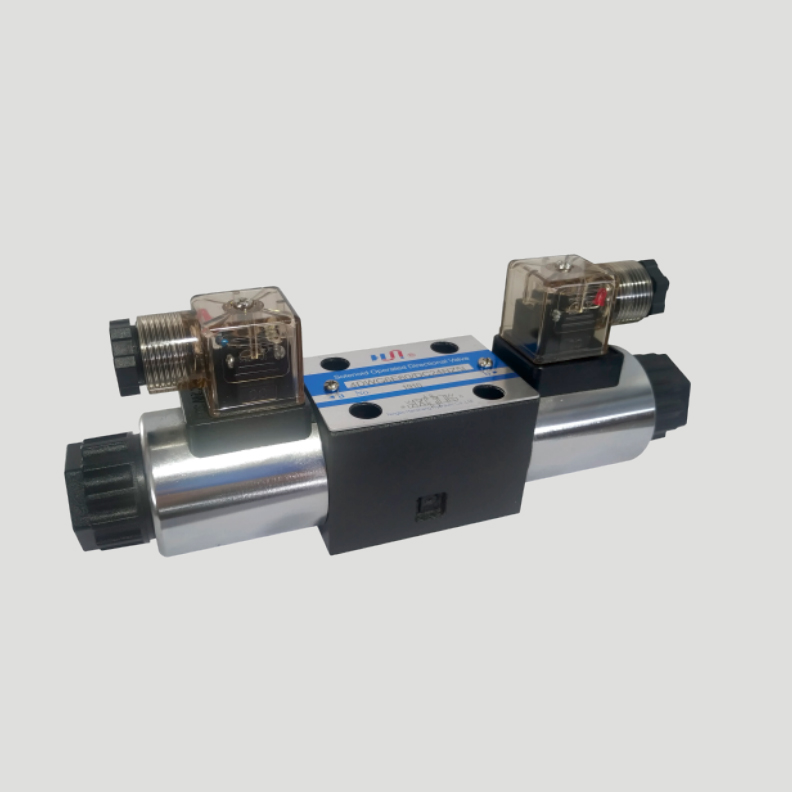
A 4WE6 solenoid valve controls hydraulic fluid flow through an electrical signal. The valve contains a solenoid, an electromagnet. When electricity flows through the solenoid coil, it generates a magnetic field. This magnetic field pulls an armature, which then moves a spool inside the valve body. The spool’s movement redirects the hydraulic fluid. For example, a 4WE6 solenoid valve, specifically the 4WE6G6X/EG24 model, can achieve a flow rate of 80 units, demonstrating its capability in managing significant fluid volumes. When the electrical signal stops, a spring typically returns the spool to its original position, changing the fluid path again. This precise control allows for automated operation of hydraulic systems.
Configurations of 4WE6 Solenoid Valves
Manufacturers produce 4WE6 solenoid valves in various configurations to suit different system requirements. The configuration describes the number of ports and the number of switching positions. Common types include 2-way, 3-way, and 4-way valves. A 2-way valve has two ports and controls fluid flow by opening or closing a single path. A 3-way valve features three ports and directs fluid to one of two different paths. The most common type, a 4-way valve, has four ports. It directs fluid to two different paths while simultaneously returning fluid from another part of the system. Different spool designs, such as open center, closed center, or tandem center, further customize valve behavior in neutral positions.
Key Components of 4WE6 Solenoid Valves
Several key components work together within a 4WE6 solenoid valve to achieve its function. The solenoid coil is the electrical part; it creates the magnetic field. The armature is a movable metal core within the solenoid that responds to the magnetic field. The valve body houses all internal components and provides the necessary ports for fluid connection. The spool is a cylindrical component that slides within the valve body, blocking or opening fluid passages. Return springs push the spool back to its default position when the solenoid de-energizes. An electrical connector provides the interface for the control signal. Each component plays a vital role in the valve’s overall performance and reliability.
4WE6 Solenoid Valves in Industrial Automation
4WE6 solenoid valves are indispensable in industrial automation. They precisely control hydraulic actuators like cylinders and motors in manufacturing plants. These valves manage the movement of robotic arms, operate clamping mechanisms on assembly lines, and control material handling equipment. In industrial automation, 4WE6 solenoid valves are crucial. Manufacturers utilize direct-operated directional control valves like the WE 6…E Series 6x and WE 6…H Series 7x across a wide range of industrial manufacturing applications. For environments with potential explosion risks, a specialized variant, the WE 6…E..XE Series 6x, provides safe operation. Their rapid response and robust design make them ideal for demanding factory environments.
4WE6 Solenoid Valves in Mobile Hydraulics
Mobile hydraulic systems extensively use 4WE6 solenoid valves. These systems power heavy machinery such as excavators, bulldozers, agricultural tractors, and utility vehicles. The valves control critical functions like lifting, lowering, steering, and operating various attachments. For instance, an operator uses a joystick to send an electrical signal to a 4WE6 solenoid valve. This valve then directs hydraulic fluid to extend or retract a cylinder, moving a loader arm. Their compact size and ability to withstand harsh outdoor conditions make them perfect for mobile applications where space is limited and reliability is paramount.
Specialized Uses for 4WE6 Solenoid Valves
Beyond common industrial and mobile applications, 4WE6 solenoid valves find specialized uses in niche areas. They appear in marine applications, controlling steering gears or deck machinery. Test stands in research and development facilities use these valves for precise fluid control during component testing. Medical equipment, where accurate fluid delivery is essential, also incorporates these valves. Their reliability and precise control make them suitable for critical systems where failure is not an option. These specialized applications highlight the versatility and adaptability of 4WE6 solenoid valves across diverse technological landscapes.
The Impact of 4WE6 Solenoid Valves: Benefits and Future Evolution
Precision and Responsiveness of 4WE6 Solenoid Valves
4WE6 solenoid valves offer exceptional precision and responsiveness in hydraulic systems. They allow operators to control fluid flow with great accuracy. This precise control translates directly into accurate movement of machinery components. For example, a robotic arm can stop or start its motion exactly as programmed. The rapid response time of these valves means systems react almost instantly to electrical signals. This quick action reduces delays in automated processes. Industries benefit from faster cycle times and improved operational efficiency. High precision also minimizes waste and ensures consistent product quality in manufacturing.
Compact Design and Integration of 4WE6 Solenoid Valves
The compact design of 4WE6 solenoid valves presents significant advantages for modern engineering. Their small footprint allows engineers to integrate them into tight spaces. This is crucial in applications where space is at a premium, such as mobile machinery or compact industrial robots. A specific 4WE6 solenoid valve model, for instance, measures only 20mm in length, 10mm in width, and 20mm in height. These small dimensions enable more streamlined machine designs. Manufacturers can create smaller, more efficient hydraulic power units. The compact nature also simplifies installation and maintenance procedures. This design philosophy supports the trend towards miniaturization in many technological fields.
Reliability and Durability of 4WE6 Solenoid Valves
Reliability and durability stand as core benefits of 4WE6 solenoid valves. Manufacturers construct these valves from robust materials. They design them to withstand harsh operating conditions, including high pressures, varying temperatures, and continuous operation. This inherent toughness ensures a long service life. Industrial environments often demand components that can endure significant wear and tear. 4WE6 solenoid valves consistently perform under such stresses. Their dependable operation reduces downtime for maintenance and repairs. This reliability translates into lower operational costs and increased productivity for businesses. Engineers trust these valves for critical applications where failure is not an option.
Future of 4WE6 Solenoid Valves with Smart Technologies
The future of 4WE6 solenoid valves will increasingly involve smart technologies. Integration with the Internet of Things (IoT) will allow these valves to communicate data. Sensors can monitor valve performance, fluid conditions, and operational parameters in real-time. This data enables predictive maintenance, preventing failures before they occur. Artificial intelligence (AI) can analyze this data to optimize valve operation. Smart valves could self-adjust to changing system demands, improving efficiency. Remote monitoring and control will become standard, offering greater flexibility. These advancements will make hydraulic systems more intelligent and autonomous.
Advancements in 4WE6 Solenoid Valve Materials
Advancements in materials science will significantly impact 4WE6 solenoid valves. New alloys and polymers offer enhanced strength, corrosion resistance, and temperature tolerance. These materials can extend valve lifespan in extreme environments. For example, specialized coatings can reduce friction and wear on internal components. Lighter materials can decrease the overall weight of hydraulic systems, beneficial for mobile applications. Research into self-healing materials could lead to valves that repair minor damage automatically. These material innovations will push the boundaries of valve performance and durability.
Sustainable 4WE6 Solenoid Valve Designs
Sustainable design principles are shaping the evolution of 4WE6 solenoid valves. Manufacturers focus on reducing energy consumption. More efficient solenoid coils require less power to operate. This lowers electricity usage and operational costs. Designs also prioritize the use of recyclable materials. Companies aim to minimize waste throughout the manufacturing process. Longer product lifespans contribute to sustainability by reducing the need for frequent replacements. Furthermore, engineers are exploring designs that reduce hydraulic fluid leakage, protecting the environment. These sustainable practices align with global efforts to create more environmentally responsible industrial solutions.
4WE6 Solenoid Valves remain foundational components in modern hydraulic systems. They provide precise control and reliable operation. Their continuous evolution, driven by smart technologies and sustainable designs, ensures their enduring relevance. These valves will continue to shape the future of automation and machinery.
FAQ
What is the primary function of a 4WE6 solenoid valve?
A 4WE6 solenoid valve precisely directs hydraulic fluid flow. It controls the movement of actuators in automated machinery and industrial processes.
How does a 4WE6 solenoid valve receive its control signal?
The valve receives an electrical signal. This signal energizes the solenoid coil, which then moves the internal spool to redirect fluid. This process is powered by electricity.
Can 4WE6 solenoid valves operate in harsh environments?
Yes, manufacturers design these valves for robust performance. They withstand high pressures and varying temperatures in demanding industrial settings. They are very strong and durable.