


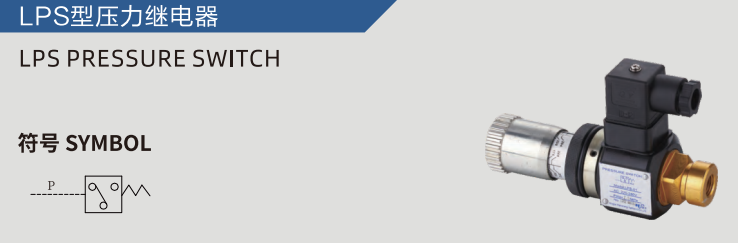
LPS Pressure Switch technology ensures the reliability and safety of hydraulic systems. These devices accurately monitor and control fluid pressure. HANSHANG, a leader in HYDRAULIC VALVE and system manufacturing, understands their critical function. They act as the primary safeguard against over-pressurization and under-pressurization. This directly contributes to system stability and operational efficiency.
Key Takeaways
- LPS Pressure Switches are important parts of hydraulic systems. They watch fluid pressure. This helps keep the system safe and working well.
- These switches stop damage to machines. They also make sure people are safe. They do this by controlling pressure levels.
- Picking the right switch and taking care of it is key. This makes sure your hydraulic system works reliably for a long time.
Understanding the LPS Pressure Switch and Its Critical Role
What is an LPS Pressure Switch?
An LPS Pressure Switch functions as a tube-type pressure relay. It represents a vital component in hydraulic systems. This device monitors fluid pressure and translates mechanical force into an electrical signal. Specifically, it triggers a microswitch signal. This signal then controls the on/off states of various hydraulic components. Ultimately, it enables the “work/stop” switching of an actuator. The design incorporates a piston-type structure, making it highly suitable for hydraulic pressure monitoring and control. It offers a large pressure control range, adapting to diverse operating conditions. Operators find its installation simple and its operation straightforward.
How an LPS Pressure Switch Works in Hydraulic Systems
An LPS Pressure Switch operates by sensing changes in hydraulic fluid pressure. Inside the switch, hydraulic pressure acts upon a piston. As the pressure increases or decreases, the piston moves. This movement directly actuates a microswitch. The microswitch then generates an electrical signal. This signal travels to other control elements within the hydraulic system. For example, it can activate or deactivate a pump, open or close a valve, or stop a motor. This mechanism allows the system to respond dynamically to pressure fluctuations, maintaining desired operating parameters and preventing hazardous conditions.
The Critical Role of LPS Pressure Switches in Hydraulic Control
LPS Pressure Switches play a critical role in maintaining the integrity and efficiency of hydraulic systems. They serve as primary safeguards against both over-pressurization and under-pressurization. By accurately monitoring pressure, these switches prevent potential damage to expensive hydraulic components. They also enhance the safety of hydraulic operations by ensuring the system functions within safe limits. Furthermore, these switches contribute to optimizing system performance and efficiency. They enable precise control over hydraulic processes, ensuring consistent output and reducing energy waste. Their ability to provide immediate feedback on pressure status makes them indispensable for reliable hydraulic control.
Why the LPS Pressure Switch is Essential for System Reliability
Preventing System Damage and Downtime with LPS Pressure Switches
Hydraulic systems operate under immense pressure. Uncontrolled pressure fluctuations pose significant risks. Pressure spikes can rupture hoses or damage seals. They also overload pumps and motors. Conversely, pressure drops lead to cavitation or loss of power. These issues cause premature wear and catastrophic failures. An LPS Pressure Switch continuously monitors system pressure. It detects deviations from set parameters instantly. When pressure exceeds or falls below safe limits, the switch activates. It sends a signal to shut down the system or adjust its operation. This immediate response prevents severe damage to expensive components. It also avoids unscheduled downtime. Businesses save on repair costs and maintain productivity.
Enhancing Safety in Hydraulic Operations with LPS Pressure Switches
Safety is paramount in hydraulic operations. High-pressure fluid can cause serious injury. Equipment failure due to uncontrolled pressure creates hazards. These hazards include fluid leaks, component explosions, or uncontrolled movement. An LPS Pressure Switch acts as a critical safety interlock. It ensures the system operates within safe pressure boundaries. If pressure becomes unsafe, the switch triggers an emergency stop. This action prevents accidents. It protects operators and surrounding equipment. The switch provides an essential layer of protection. It contributes to a safer working environment.
Optimizing Performance and Efficiency with LPS Pressure Switches
Consistent pressure control is vital for optimal hydraulic performance. Variations in pressure affect machine speed and force. This impacts product quality and operational consistency. The switch helps maintain precise pressure levels. It ensures hydraulic actuators perform predictably. This leads to consistent output and higher product quality. The switch also contributes to energy efficiency. It prevents the system from operating at unnecessarily high pressures. It avoids wasted energy. By maintaining ideal operating conditions, the switch maximizes system efficiency. It reduces wear on components. This extends the lifespan of the entire hydraulic system.
Selecting and Maintaining Your LPS Pressure Switch for Optimal Performance
Key Considerations for Selecting the Right LPS Pressure Switch
When selecting a pressure switch, engineers carefully consider several factors. They match the switch’s operating pressure range precisely to the hydraulic system’s specific requirements. HANSHANG offers switches with a wide pressure control range, from 3–35 Mpa, accommodating diverse applications. The connection threaded type, typically G1/4, must fit existing piping without modification. Maximum voltage, often 240V, ensures compatibility with standard industrial power supplies. Switching frequency, up to 300 times per minute, indicates suitability for dynamic systems requiring rapid responses. Fluid cleanliness standards, such as NAS1638 9 or ISO4406 20/18/15, are also crucial for ensuring the switch’s long-term reliability and preventing internal wear.
Installation and Maintenance Best Practices for LPS Pressure Switches
Proper installation ensures optimal performance from the LPS Pressure Switch. Technicians mount the switch securely, preventing any vibration that could affect its accuracy. They connect the G1/4 threaded port correctly, ensuring a leak-free seal within the hydraulic line. Regular maintenance significantly extends the switch’s operational lifespan. Operators consistently check fluid cleanliness, ensuring it meets specified standards to protect internal components. They also inspect all electrical connections for integrity, preventing signal loss. Periodic functional tests confirm the switch operates accurately at its set points. This proactive approach prevents unexpected failures and maintains system reliability.
Troubleshooting Common Issues with LPS Pressure Switches
Users may encounter common issues with pressure switches during operation. Incorrect pressure settings often cause operational problems, leading to improper system responses. Clogged ports can prevent accurate pressure sensing, making the device unresponsive. Electrical connection failures disrupt signal transmission to control systems. A faulty microswitch might not trigger correctly, even when pressure changes. Technicians first verify pressure settings against system specifications. They then clean any obstructed ports to restore proper fluid flow. They also check all wiring for secure connections and continuity. Replacing a defective switch resolves internal component failures, restoring full functionality.
These devices are indispensable for reliable hydraulic pressure control. They act as the primary safeguard for system integrity, safety, and efficiency. Proper selection, installation, and maintenance ensure these critical components continue to provide the backbone of dependable hydraulic operations. Businesses rely on their consistent performance.
FAQ
What is the primary function of an LPS Pressure Switch?
An LPS Pressure Switch monitors hydraulic fluid pressure. It triggers a signal to control system components. This prevents over-pressurization and under-pressurization.
How does an LPS Pressure Switch enhance system safety?
It acts as a critical safety interlock. It ensures the system operates within safe pressure limits. This prevents accidents and protects personnel.
What are the key technical specifications for HANSHANG LPS Pressure Switches?
They feature a 3–35 Mpa operating pressure range. They use a G1/4 connection. They support up to 240V and 300 switches/min.