

Industrial hydraulic valves are specifically engineered to conquer extreme wear and high temperatures in demanding infrastructure projects. Their resilience comes from advanced materials, innovative design, and specialized coatings. Modern valve technologies, such as the DWHG32, a high-performance DIRECTIONAL valve, are crucial. These valves ensure operational reliability and longevity in harsh environments.
Key Takeaways
- Industrial hydraulic valves must handle extreme wear and high temperatures. These conditions can damage parts and shorten the valve’s life.
- Engineers use strong materials, special coatings, and smart designs. These methods help valves resist wear and heat, making them last longer.
- The DWHG32 valve shows how new technology helps. It works well in tough conditions, giving precise control and long-lasting performance for big machines.
Challenges for Industrial Hydraulic Valves in Extreme Infrastructure
Understanding Extreme Wear and Erosion
Industrial hydraulic valves face constant challenges from extreme wear and erosion. Abrasive particles within the hydraulic fluid act like sandpaper, gradually removing material from critical valve components. High fluid velocities also contribute to erosion, especially in areas with turbulent flow. Cavitation, the formation and collapse of vapor bubbles, generates powerful shockwaves that pit and damage valve surfaces. This continuous degradation compromises valve precision and shortens operational life.
Managing High Operating Temperatures
High operating temperatures pose another significant threat to industrial hydraulic valves. Elevated heat can degrade elastomeric seals, causing them to harden, crack, or lose their sealing integrity. It also breaks down hydraulic fluids, reducing their lubricating properties and accelerating component wear. Sustained high temperatures can even alter the metallurgical properties of valve materials, leading to reduced strength and increased susceptibility to failure. External environmental heat sources further exacerbate these internal thermal challenges.
Combined Stressors: Wear and Temperature Synergy
Wear and high temperatures rarely act in isolation; they often combine to create a synergistic effect that accelerates valve degradation. For instance, high temperatures can soften valve materials, making them more vulnerable to abrasive wear and erosion. Conversely, friction generated by wear can produce localized hot spots, further intensifying thermal stress on components. This interplay between wear and heat significantly complicates the design and material selection for robust hydraulic valves. Engineers must consider these combined stressors to ensure long-term reliability in demanding applications.
Engineering Solutions for Wear Resistance in Industrial Hydraulic Valves
Advanced Material Selection for Durability
Engineers select advanced materials to build durable industrial hydraulic valves. Hardened steels offer high strength and wear resistance. Ceramic components provide extreme hardness and chemical inertness. Specialized alloys resist corrosion and fatigue. These materials withstand abrasive particles and high fluid velocities. They also reduce the impact of cavitation. Material choice directly affects a valve’s lifespan in harsh environments.
Surface Engineering: Coatings and Treatments
Surface engineering significantly enhances valve durability. Coatings like Diamond-Like Carbon (DLC) create extremely hard surfaces. Physical Vapor Deposition (PVD) applies thin, wear-resistant layers. Thermal spray coatings, such as tungsten carbide, offer superior abrasion protection. These treatments reduce friction and prevent material loss. They also improve corrosion resistance. Surface treatments like nitriding harden the outer layer of metal components.
Design Innovations to Minimize Wear
Innovative design plays a crucial role in minimizing wear. Engineers optimize flow paths within industrial hydraulic valves. This optimization reduces turbulence and fluid erosion. Improved sealing mechanisms prevent leakage and particle ingress. Designs often incorporate features that minimize metal-to-metal contact. Precision manufacturing ensures tight tolerances. These precise tolerances reduce internal clearances, which limits abrasive particle movement. Such design choices extend valve operational life.
Beating the Heat: Temperature Resistance in Industrial Hydraulic Valves
High-Temperature Seal Technology
High temperatures severely challenge seals in hydraulic systems. Engineers develop specialized seal technologies to overcome this. Materials like Viton, PTFE, and Kalrez offer superior thermal stability. These elastomers and polymers resist degradation at elevated temperatures. They also maintain their elasticity and sealing integrity. Advanced seal designs, such as energized seals or composite seals, further enhance performance. These designs ensure reliable operation even under continuous thermal stress. Proper seal selection prevents leaks and maintains system pressure. This directly contributes to the longevity of industrial hydraulic valves.
Thermal Management in Valve Design
Effective thermal management is crucial for valve longevity. Designers incorporate features into valve bodies to dissipate heat. Larger surface areas or cooling fins help radiate excess heat away. Optimizing internal flow paths reduces fluid friction. Less friction means less heat generation within the valve. Engineers also select materials with high thermal conductivity for valve components. These materials efficiently transfer heat away from critical areas. Some advanced industrial hydraulic valves integrate with external cooling systems. This provides additional thermal control in extremely hot environments.
Role of High-Performance Hydraulic Fluids
High-performance hydraulic fluids play a vital role in temperature resistance. These fluids possess a high viscosity index. This means their viscosity remains stable across a wide temperature range. They also exhibit excellent thermal stability, resisting breakdown under heat. Superior oxidation resistance prevents sludge formation and fluid degradation. Synthetic fluids often outperform traditional mineral oils in these aspects. They maintain lubrication properties at high temperatures, protecting internal components. Choosing the right fluid prevents overheating and extends the life of the entire hydraulic system.
Product Spotlight: The DWHG32 Electro-Hydraulic Directional Valve
DWHG32′s Core Features for Extreme Conditions
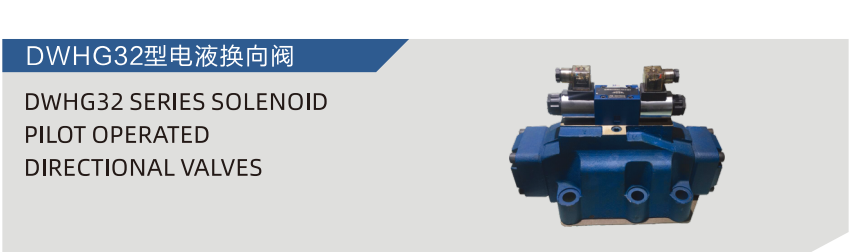
The DWHG32 electro-hydraulic directional valve stands as a testament to advanced engineering. This pilot-controlled spool valve expertly manages fluid flow and direction. It utilizes a solenoid valve to control fluid passage and direction. The DWHG32 is specifically designed for action control within hydraulic systems. It handles high pressure and large flow rates, making it suitable for demanding applications. Ningbo Hanshang Hydraulic Co., Ltd., a company with extensive R&D and manufacturing capabilities since 1988, produces this valve. They employ over 100 major manufacturing equipment pieces, including CNC digital lathes and high-precision grinding machines. This advanced manufacturing ensures the DWHG32′s robust construction. Its design minimizes wear and resists high temperatures, crucial for extreme operational environments.
Performance in Infrastructure: Real-World Benefits
The DWHG32 delivers significant real-world benefits in infrastructure projects. It controls the starting, stopping, and switching of fluid direction in hydraulic circuits. This valve commonly appears in industrial and construction machinery. Its robust design ensures reliable operation in harsh conditions. For example, heavy excavators and large cranes depend on its consistent performance. The DWHG32′s ability to manage high pressure and large flow translates into efficient power transmission. This efficiency reduces operational costs and minimizes downtime. Its durability extends the lifespan of hydraulic systems, a critical factor in large-scale infrastructure development. The DWHG32 contributes directly to project timelines and overall operational success.
Electro-Hydraulic Advantage for Control and Durability
The DWHG32′s electro-hydraulic design offers a distinct advantage in control and durability. Its pilot control mechanism significantly reduces the load on the solenoid valve. This reduction in load enhances the valve’s operational stability. Operators achieve precise control over hydraulic functions, improving machine responsiveness. The electro-hydraulic interface allows for seamless integration with modern control systems. This integration enables automated and highly accurate machine movements. Such precision not only optimizes performance but also reduces mechanical stress on components. Ultimately, the DWHG32′s advanced control system contributes to its exceptional durability and long service life in the most challenging environments.
Advanced wear and temperature resistance prove paramount for industrial hydraulic valves in demanding infrastructure projects. Continuous innovation, exemplified by products like the DWHG32, remains vital for reliable, efficient heavy machinery. Investing in resilient hydraulic systems ensures longevity and peak performance in increasingly challenging operational conditions.
FAQ
What makes industrial hydraulic valves suitable for extreme conditions?
Advanced materials, innovative design, and specialized coatings enable industrial hydraulic valves to withstand extreme wear and high temperatures. Engineers specifically select these features for harsh environments.
How does the DWHG32 valve enhance system reliability?
The DWHG32 valve offers precise control and manages high pressure and flow. Its pilot-controlled design reduces solenoid load, ensuring stable operation and extended durability in demanding applications.
Why is material selection crucial for valve longevity?
Material selection directly impacts a valve’s lifespan. Engineers choose hardened steels, ceramics, and specialized alloys. These materials resist abrasion, erosion, and high temperatures, ensuring long-term performance.