

6/2 diverter valves for agricultural front loader play a crucial role in modern agricultural hydraulics. These valves significantly enhance the efficiency of multi-attachment loaders by allowing seamless switching between various implements. As agricultural systems evolve, these advancements in hydraulics become essential for improving productivity and optimizing resource use.
Key Takeaways
- 6/2 diverter valves streamline attachment changes on agricultural front loaders, reducing downtime and enhancing productivity.
- These valves provide precise control over hydraulic fluid flow, allowing farmers to optimize resource use and improve operational efficiency.
- Integrating smart hydraulic systems with IoT technology enables real-time monitoring, leading to better decision-making and predictive maintenance.
Functionality of 6/2 Diverter Valves for Agricultural Front Loader
Basic Operation
The 6/2 diverter valves for agricultural front loader operate by managing the flow of hydraulic fluid. These valves can direct fluid to different attachments or combine flows from multiple sources. The design allows for pressure-compensated flow distribution. This means that the valve can adjust the flow rate based on the pressure in the system.
When the operator activates the valve, it shifts the flow path. This action enables the front loader to switch between various implements without needing to disconnect hoses. The ability to provide synchronized flow during both diversion and merging processes enhances operational efficiency.
Key features of the basic operation include:
- Pressure Compensation: Ensures consistent performance regardless of system pressure.
- Flow Synchronization: Maintains equal flow rates to multiple attachments.
- Durability: The valve components undergo hard treatment, ensuring longevity and reliability.
Comparison with Traditional Valves
When comparing 6/2 diverter valves with traditional hydraulic valves, several advantages emerge. Traditional valves often require manual switching and can lead to downtime during attachment changes. In contrast, 6/2 diverter valves streamline this process.
Here are some notable differences:
| Feature | 6/2 Diverter Valves | Traditional Valves |
|---|---|---|
| Flow Management | Automatic switching between attachments | Manual switching required |
| Pressure Handling | Pressure compensated | Limited pressure handling |
| Efficiency | High efficiency with reduced downtime | Lower efficiency due to manual processes |
| Versatility | Supports multiple attachments seamlessly | Limited to single attachment at a time |
The 6/2 diverter valves for agricultural front loader represent a significant advancement in hydraulic technology. Their ability to enhance efficiency and reduce downtime makes them a preferred choice for modern agricultural operations.
Enhancing Efficiency in Agricultural Operations
Fluid Flow Management
Fluid flow management plays a vital role in agricultural operations. Efficient management of hydraulic fluid ensures that equipment operates smoothly and effectively. The 6/2 diverter valves for agricultural front loader excel in this area. They allow operators to control the flow of hydraulic fluid precisely, directing it to the necessary attachments.
With these valves, farmers can achieve optimal performance from their equipment. The pressure compensation feature adjusts the flow rate based on system demands. This capability prevents fluctuations that could hinder performance. Additionally, the synchronized flow provided by these valves ensures that multiple attachments receive equal fluid supply. This consistency enhances the overall productivity of agricultural tasks.
Farmers can benefit from improved fluid flow management in several ways:
- Increased Precision: Operators can fine-tune the flow to match the requirements of different attachments.
- Enhanced Control: The ability to switch between attachments without manual intervention allows for better control over operations.
- Optimized Resource Use: Efficient fluid management reduces waste and maximizes the effectiveness of hydraulic systems.
Reduced Downtime
Downtime can significantly impact agricultural productivity. Every minute spent waiting for equipment to switch attachments or adjust settings translates to lost time and resources. The introduction of 6/2 diverter valves for agricultural front loader addresses this challenge effectively.
These valves streamline the process of changing attachments. Operators can switch between implements quickly and efficiently, minimizing interruptions. This capability leads to a more continuous workflow, allowing farmers to complete tasks faster.
Key benefits of reduced downtime include:
- Faster Operations: Quick attachment changes mean that farmers can move from one task to another without delays.
- Increased Output: With less time spent on switching attachments, farmers can accomplish more in a day.
- Cost Savings: Reduced downtime translates to lower operational costs, as equipment remains productive for longer periods.
Applications in Multi-Attachment Loaders
Versatility of Attachments
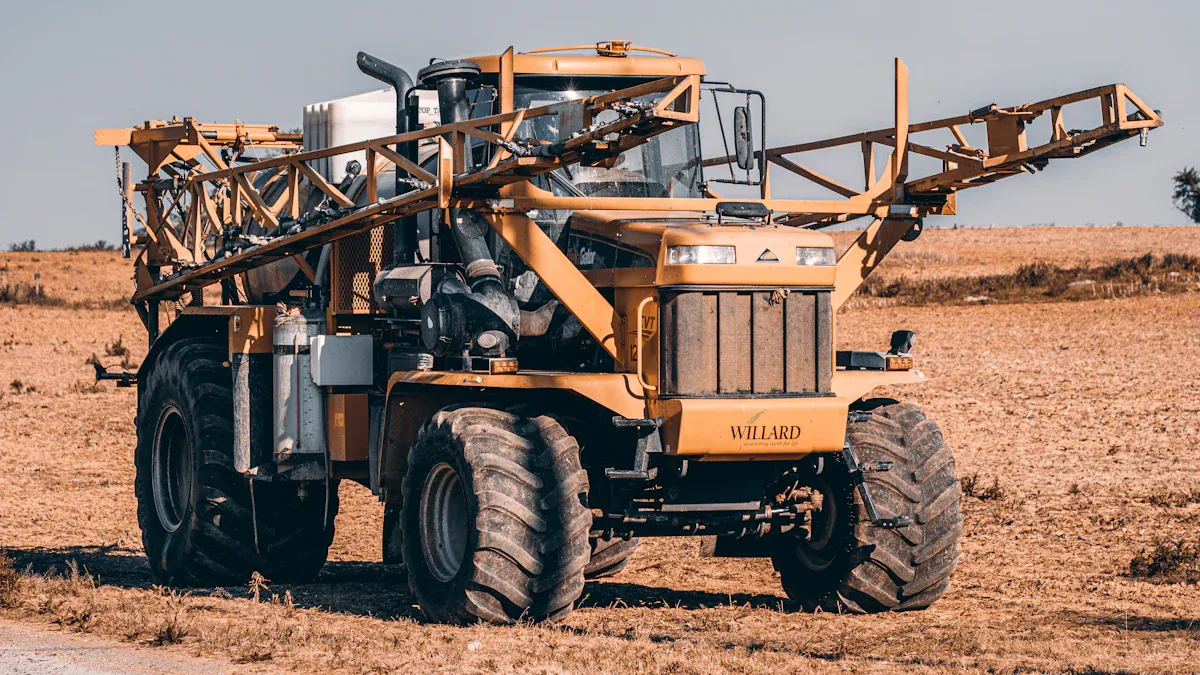
The 6/2 diverter valves for agricultural front loader significantly enhance the versatility of multi-attachment loaders. These valves allow a single hydraulic system to operate multiple attachments. Operators can easily switch between different implements, such as ploughs and seeders, from the driver’s seat. This functionality minimizes the need for multiple machines, making operations more efficient.
Farmers can benefit from this versatility in several ways:
- Reduced Equipment Costs: Fewer machines mean lower maintenance and purchase costs.
- Simplified Operations: Operators can manage various tasks without needing to leave the cab.
- Increased Flexibility: The ability to adapt to different farming tasks quickly enhances productivity.
Improved Performance Metrics
The integration of 6/2 diverter valves leads to improved performance metrics in agricultural operations. These valves provide consistent hydraulic flow, which is crucial for maintaining the efficiency of various attachments. The synchronized flow ensures that each implement receives the necessary power to operate effectively.
Key performance improvements include:
- Enhanced Productivity: Operators can complete tasks faster due to seamless attachment changes.
- Optimized Resource Utilization: Efficient hydraulic flow reduces waste and maximizes the effectiveness of each attachment.
- Increased Reliability: The durable design of the valves ensures long-lasting performance, reducing the frequency of repairs.
Overall, the use of 6/2 diverter valves transforms multi-attachment loaders into versatile and efficient tools for modern agriculture.
Technological Advancements in Hydraulics
Smart Hydraulic Systems
Smart hydraulic systems represent a significant leap in agricultural technology. These systems utilize advanced sensors and controls to optimize hydraulic performance. They provide farmers with precise control over hydraulic flow and pressure. This capability leads to improved operational efficiency in agricultural machinery.
The benefits of smart hydraulic systems with 6/2 diverter valves include:
| Benefit | Description |
|---|---|
| Precise Control | Enables accurate management of hydraulic flow and pressure. |
| Improved Performance | Enhances the overall effectiveness of agricultural operations. |
| Reduced Energy Consumption | Optimizes energy use, leading to cost savings and sustainability. |
| Stable Pressure Management | Maintains consistent pressure across multiple work sections. |
These features allow farmers to achieve better results while using less energy. As a result, smart hydraulic systems contribute to more sustainable farming practices.
Integration with IoT
The integration of smart hydraulic systems with the Internet of Things (IoT) further enhances their capabilities. IoT technology allows for real-time monitoring and data collection. Farmers can access critical information about their equipment from anywhere. This connectivity enables them to make informed decisions quickly.
With IoT integration, farmers can:
- Monitor Performance: Track the efficiency of hydraulic systems in real-time.
- Predict Maintenance Needs: Receive alerts for potential issues before they become serious problems.
- Optimize Operations: Adjust settings remotely to improve productivity.
By leveraging IoT technology, farmers can enhance their operational efficiency and reduce costs. The combination of smart hydraulic systems and IoT represents a transformative shift in agricultural hydraulics, paving the way for a more efficient and sustainable future.
Market Trends in Agricultural Hydraulics
Growing Demand for Efficiency
The agricultural sector has witnessed a significant shift towards efficiency in hydraulic systems over the past decade. Farmers increasingly seek solutions that enhance productivity while reducing operational costs. The demand for efficient hydraulic systems has risen due to several factors:
- Increased productivity through faster and more efficient operations.
- Labor savings by automating tasks that previously required manual work.
- Enhanced precision in agricultural practices, leading to better resource management.
Innovations in hydraulic technology have resulted in energy-efficient systems essential for sustainable agriculture. For instance, hydraulic machinery can reduce cycle times for critical operations by up to 30%. This improvement leads to increased productivity and allows farmers to meet the growing demands of food production effectively.
Innovations in Valve Technology
Recent advancements in valve technology have transformed agricultural hydraulics. New valve technologies focus on precision control and integration with digital systems. Key innovations include:
- Precision control in hydraulic systems to adapt to varying field conditions.
- Integration with digital control systems for enhanced functionality.
- Closed-loop control systems that monitor and adjust flow rates for accuracy.
These innovations provide farmers with real-time diagnostics for predictive maintenance and system optimization. A comparison of new valve technologies with traditional hydraulic valves highlights several benefits:
| Feature/Benefit | New Valve Technologies | Traditional Hydraulic Valves |
|---|---|---|
| Automation | High level of automation with smart sensors | Limited automation capabilities |
| Real-time Monitoring | Yes, enhances predictive maintenance | No real-time monitoring |
| Performance Optimization | Self-optimizing based on conditions | Manual calibration required |
| Sustainability | Eco-friendly materials and modular designs | Less focus on sustainability |
| Cost Implications | Influenced by tariffs and material sourcing | Generally lower initial costs |
These advancements not only improve performance but also contribute to sustainable farming practices. As the agricultural industry continues to evolve, the integration of innovative valve technologies will play a crucial role in enhancing operational efficiency.
Case Studies Demonstrating Impact of 6/2 Diverter Valves
Successful Implementations
Several farms have successfully integrated 6/2 diverter valves into their operations. For instance, a large corn farm in Iowa adopted these valves to manage multiple attachments on their front loaders. The farmers reported that switching between a bucket, a plow, and a seeder became seamless. This change allowed them to complete tasks more efficiently.
Another example comes from a vineyard in California. They utilized 6/2 diverter valves to operate a pruning attachment and a harvesting tool. The vineyard manager noted that the ability to switch attachments without manual intervention saved significant time during peak seasons.
Measurable Outcomes
The results from these implementations showcase impressive improvements. The Iowa corn farm experienced a 30% reduction in operational downtime. This efficiency increase translated to higher yields and better resource management.
In the California vineyard, the integration of 6/2 diverter valves led to a 25% increase in productivity during the harvest season. The vineyard manager highlighted that the synchronized flow provided by the valves ensured that each attachment operated at optimal levels.
| Farm Type | Downtime Reduction | Productivity Increase |
|---|---|---|
| Corn Farm (Iowa) | 30% | N/A |
| Vineyard (California) | N/A | 25% |
These case studies illustrate the tangible benefits of adopting 6/2 diverter valves in agricultural operations. Farmers can achieve greater efficiency and productivity, ultimately enhancing their overall success.
The 6/2 diverter valves significantly enhance agricultural hydraulics. They improve efficiency, reduce operational costs, and enable precise control over farm operations. Industry experts recommend diversifying supplier bases and adopting service-oriented business models. Increased investment in hydraulic technology will lead to better resource management and higher crop yields.