

 DSV/DSL pilot operated check valves improve pressure stability in heavy-duty industrial systems. They provide precise, controlled flow direction. These valves also prevent reverse flow. This action mitigates pressure fluctuations and system shocks. DSV/DSL pilot operated check valves ensure smoother system operation.
Key Takeaways
- DSV/DSL pilot operated check valves control fluid flow. They stop fluid from going backward. This keeps pressure steady in big machines.
- These valves prevent sudden pressure changes. They also reduce noise and shaking. This makes heavy-duty systems work better and last longer.
- Quality and certifications are important for these valves. They ensure the valves are safe and work well. This helps industrial systems run smoothly worldwide.
Understanding DSV/DSL Pilot Operated Check Valves
What are DSV/DSL Pilot Operated Check Valves?
DSV/DSL pilot operated check valves are specialized hydraulic components. These DSV/DSL PILOT OPERATED CHECK VALVES permit fluid flow in one direction only. They block flow in the opposite direction. However, they allow reverse flow when a pilot signal is applied. DSV types feature internal leakage oil return. DSL types use external leakage oil return. These valves are essential for holding pressure in hydraulic circuits.
Key Components and Operational Principles of DSV/DSL Pilot Operated Check Valves
These DSV/DSL PILOT OPERATED CHECK VALVES operate on a clear principle. Fluid flows freely from the inlet to the outlet port. To achieve flow in the reverse direction, a pilot pressure signal is necessary. This pilot pressure applies to a control port, often labeled ‘X’. When pilot pressure is supplied, it acts on a poppet assembly. This action opens the seal. This allows fluid to flow freely in the reverse direction. When the pilot pressure stops, the poppet checks, or traps, the fluid. When the valve is piloted again, it releases the trapped fluid. This allows it to flow back out of the control valve. This controlled release is vital for system stability.
Distinguishing Features for Heavy-Duty Applications of DSV/DSL Pilot Operated Check Valves
DSV/DSL PILOT OPERATED CHECK VALVES offer several features for heavy-duty use. They incorporate metal-to-metal seals to the atmosphere. This prevents leakage and keeps unwanted elements out of the flow. Elgiloy® diaphragms provide excellent corrosion resistance. They also extend the valve’s overall lifespan. Replaceable seats further extend service life. Stacked diaphragms also contribute to a longer operational period. Body materials include 316L Stainless Steel, Monel®, and Hastelloy® C-276. These materials ensure robustness. An innovative sealing concept enhances durability. It also improves performance under high operating pressures. Top-quality construction guarantees long-term reliability. It also ensures efficiency. These valves feature enhanced pressure resistance. They are built for reliability and durability. Heavy-duty stainless steel construction ensures robustness and longevity.
How DSV/DSL Pilot Operated Check Valves Enhance Pressure Stability
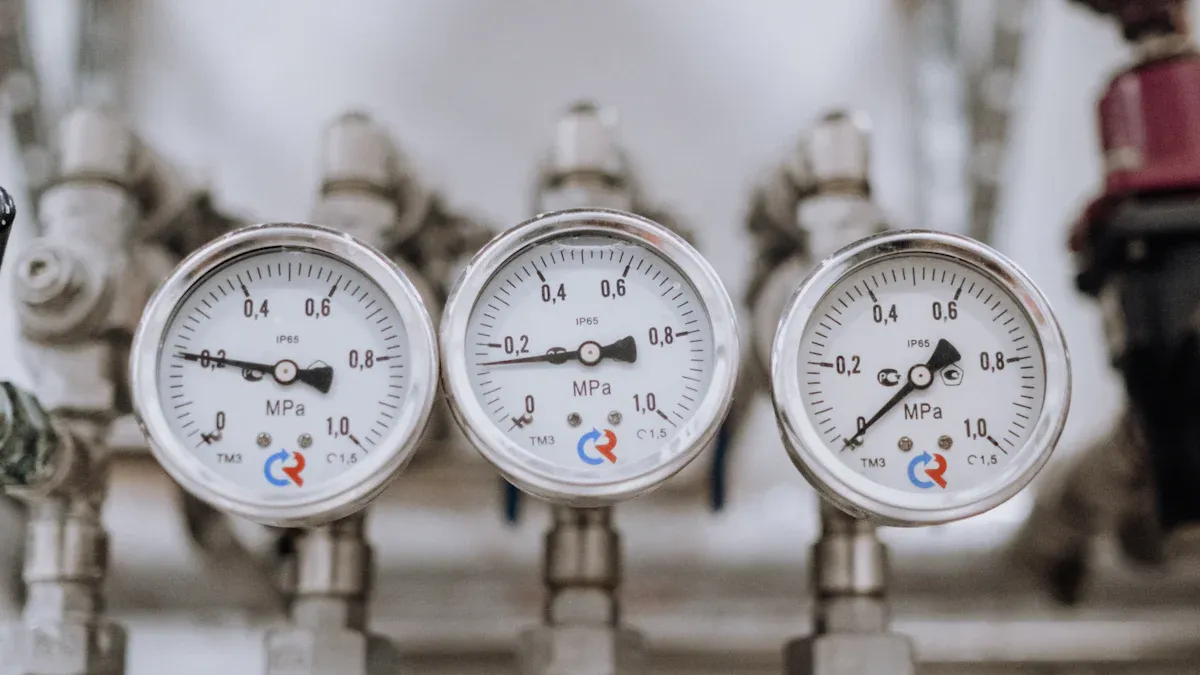
DSV/DSL pilot operated check valves play a critical role in maintaining stable pressure within heavy-duty hydraulic systems. They achieve this through precise control over fluid movement, preventing unwanted pressure fluctuations and ensuring reliable operation.
Preventing Reverse Flow and Pressure Spikes with DSV/DSL Pilot Operated Check Valves
These specialized valves effectively prevent reverse fluid flow. In a hydraulic circuit, fluid should only move in one direction. If fluid flows backward unexpectedly, it can cause sudden pressure increases, known as pressure spikes. DSV/DSL pilot operated check valves act as a one-way gate. They allow fluid to pass freely in the intended direction. However, they immediately block any attempt at reverse flow. This immediate blockage stops pressure from building up rapidly in the wrong direction. By preventing this reverse movement, the valves protect system components from damage. They also ensure the hydraulic system operates smoothly and predictably.
Controlled Decompression and Load Holding with DSV/DSL Pilot Operated Check Valves
DSV/DSL pilot operated check valves excel at controlled decompression and secure load holding. When a hydraulic cylinder extends or retracts, it often holds a heavy load. Releasing the pressure too quickly can create dangerous shock waves within the system. These valves allow for a gradual, controlled release of pressure. This controlled decompression offers many benefits:
- It prevents the instantaneous dissipation of stored energy.
- It avoids the acceleration of fluid that can damage components.
- It reduces stress on hydraulic hoses, pipes, and fittings.
- It minimizes noise generation.
- It prevents pressure transients that can harm hydraulic components.
This careful management of pressure release enhances system reliability. It also extends the service life of the entire hydraulic system. Controlled decompression ensures a consistent release of energy. This leads to a more well-behaved machine operation. The valves also securely hold loads in place when the pilot signal is absent. This prevents unintended movement and improves safety.
Mitigating System Vibrations and Noise with DSV/DSL Pilot Operated Check Valves
Uncontrolled pressure changes and fluid surges often cause vibrations and noise in hydraulic systems. DSV/DSL pilot operated check valves help to mitigate these issues. By preventing sudden pressure spikes and allowing for controlled decompression, they create a much smoother operating environment. The consistent flow direction and stable pressure reduce mechanical stress on pipes and components. This reduction in stress directly translates to less vibration throughout the machinery. A quieter operation also results from the elimination of abrupt fluid movements. This contributes to a more comfortable and safer working environment.
Applications in Heavy-Duty Industrial Systems for DSV/DSL Pilot Operated Check Valves
Many heavy-duty industrial systems rely on DSV/DSL pilot operated check valves for their pressure stability. These valves are crucial in applications where precise control and robust performance are essential.
- Engineering machinery
- Mining machinery
- Cleaning equipment
- Agricultural machinery
- Marine machinery
- Rubber & plastic machines
- Construction equipment (e.g., excavators, loaders)
- Material handling systems
- Manufacturing automation
- Complex machinery
- Hydraulic elevators
- Aerial work platforms
These diverse applications highlight the versatility and importance of these valves. They ensure the safe and efficient operation of critical industrial processes worldwide.
The Global Supply Chain for DSV/DSL Pilot Operated Check Valves
Key Manufacturers and Suppliers of DSV/DSL Pilot Operated Check Valves Worldwide
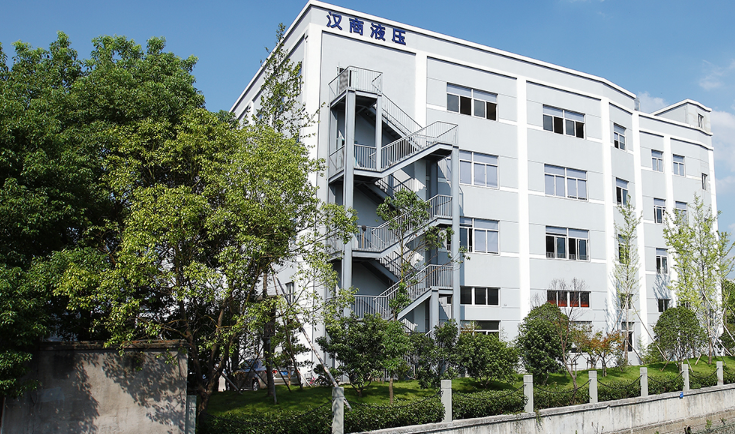
The global market for DSV/DSL pilot operated check valves features many specialized manufacturers and suppliers. These companies ensure the availability of these critical components for heavy-duty industrial systems across the world. Manufacturers often focus on specific regions or industries. However, many also serve a broad international customer base. Hanshang Hydraulic stands out as a significant manufacturer of DSV/DSL pilot operated check valves. They contribute to the global supply with their expertise in hydraulic valve design and production. Other companies also compete in this specialized market. They offer a range of products designed for various applications. The presence of these manufacturers ensures a competitive environment. This competition drives innovation and quality improvements in valve technology.
Supply Chain Dynamics and Availability of DSV/DSL Pilot Operated Check Valves
The global supply chain for hydraulic components, including DSV/DSL pilot operated check valves, experiences dynamic shifts. Steady growth is anticipated in the coming years for the pilot operated check valve market. This growth comes from increasing demand for efficient fluid control systems across various sectors. Advancements in industrial automation act as a key driver. A rising emphasis on energy efficiency and safety standards also boosts demand. This is particularly true in oil and gas, water treatment, and power generation industries. Infrastructure development and investments in renewable energy sources further enhance demand. Technological advancements and innovations reshape the industry landscape. The integration of smart technologies for predictive maintenance and real-time monitoring enhances operational reliability.
However, this supply chain also faces challenges. Material shortages and rising costs present significant hurdles. Essential raw materials like steel and brass for hydraulic fittings face supply shortages. Their costs also fluctuate, leading to extended lead times. Transportation bottlenecks further complicate production schedules. Port congestion, trucking shortages, and shipping delays increase freight costs. Tariffs and regulatory hurdles also impact pricing and availability. Changing trade policies and increased tariffs on imported materials create uncertainty. Resistance to change within some industries also exists. High costs and the need for skilled labor hinder the adoption of automation and digitalization. Global supply chain disruptions can cause delays in valve manufacturing and maintenance. This leads to operational downtimes. Varying regional regulatory requirements complicate compliance for global manufacturers. Despite these challenges, the rising focus on energy efficiency and sustainability prompts industries to adopt more reliable fluid control solutions. Opportunities are abundant in emerging economies due to increasing infrastructure development. Ongoing innovations in valve technology promise enhanced performance and adaptability. Industries seek to optimize operational processes, positioning the market for a bright future.
Importance of Quality and Certification in Global Sourcing of DSV/DSL Pilot Operated Check Valves
Quality and certification are paramount when sourcing DSV/DSL pilot operated check valves globally. These valves operate in heavy-duty industrial systems. Therefore, their reliability directly impacts safety and operational efficiency. High-quality valves ensure consistent pressure stability. They also prevent costly downtime and potential equipment damage. Manufacturers often adhere to international quality management systems. For example, ISO 9001-2015 certification demonstrates a commitment to quality. This certification ensures consistent product quality and customer satisfaction.
Furthermore, product-specific certifications are crucial. The CE certification, for instance, indicates compliance with European safety, health, and environmental protection directives. This is vital for valves exported to European markets. These certifications provide assurance to buyers. They confirm that the valves meet stringent performance and safety standards. Sourcing from certified suppliers minimizes risks. It guarantees that the components can withstand the demanding conditions of heavy-duty applications. This focus on quality and certification helps build trust. It also ensures the long-term success of industrial operations worldwide.
DSV/DSL pilot operated check valves are crucial for enhancing pressure stability in heavy-duty industrial systems. They prevent reverse flow, enable controlled decompression, and ensure reliable load holding. Their global availability, supported by manufacturers like Hanshang Hydraulic, ensures continuous operation and efficiency of critical industrial processes worldwide. This contributes to casting a renowned brand in the hydraulic field.
FAQ
What is the primary function of DSV/DSL pilot operated check valves?
These valves allow fluid flow in one direction. They prevent reverse flow unless a pilot signal is applied. This action helps maintain pressure and control fluid movement.
What is the difference between DSV and DSL types?
DSV valves feature internal leakage oil return. DSL valves use external leakage oil return. This distinction affects how the valve handles minor fluid bypass.
How do DSV/DSL valves improve pressure stability?
They prevent sudden pressure spikes by blocking reverse flow. They also enable controlled decompression. This reduces system shocks and vibrations, leading to smoother operation.