

 Hanshang Hydraulic, driven by leading innovation, offers immediate solutions for common ZVH6 FLOW DIVERTERS problems. This comprehensive guide helps users maintain their systems. It ensures ZVH6 operations remain smooth and reliable well into 2026. Hanshang Hydraulic strives to build a renowned brand in the hydraulic field. Pursuing excellence forms their competitive foundation.
Key Takeaways
- Understand your ZVH6 Flow Diverter’s parts. This helps you find problems early.
- Learn to fix common ZVH6 issues. This keeps your system working well.
- Do regular checks and cleaning. This makes your ZVH6 Flow Diverter last longer.
Understanding Your ZVH6 Flow Diverters: Core Components and Failure Points
ZVH6 Flow Diverter Functionality and Specifications
A flow diverter directs hydraulic fluid to specific pathways within a system. The ZVH6 Flow Diverter performs this essential function. It ensures precise fluid routing for various industrial and mobile applications. Hanshang Hydraulic designs these diverters for optimal performance and reliability. The company utilizes advanced testing facilities. These facilities include a hydraulic valve test bench. This bench can accurately test dynamic and static performance. It also assesses fatigue life. The test pressure reaches 35 MPa. The flow rate reaches 300 L/Min. This rigorous testing ensures each ZVH6 unit meets high standards.
Here are the key specifications for the ZVH6 model:
| Model | Max Flow rate (L/min) | Max operating pressure (MPa) |
|---|---|---|
| ZVH6 | 50 | 21 |
Critical Components Prone to Failure in ZVH6 Flow Diverters
Several critical components within ZVH6 FLOW DIVERTERS are susceptible to wear or failure over time. Understanding these points helps with maintenance. The spool is a primary component. It moves to direct fluid flow. Wear on the spool or its bore can lead to internal leakage. This reduces system efficiency and accuracy. Seals are another vital part. They prevent fluid from escaping. Deterioration or damage to these seals causes external leaks. This compromises system integrity. Actuators, whether hydraulic or electric, control the spool’s precise movement. Malfunctions in these actuators prevent proper switching. This disrupts the intended flow path. Electrical components, such as solenoids, can also fail. This leads to control system errors and communication issues. Hanshang Hydraulic focuses on high-quality materials and precision manufacturing. This minimizes these common failure points. Their ISO9001-2015 quality management system certification ensures stable and reliable hydraulic products. This commitment helps prevent unexpected downtime.
Diagnosing Common ZVH6 Flow Diverter Issues and Quick Fixes
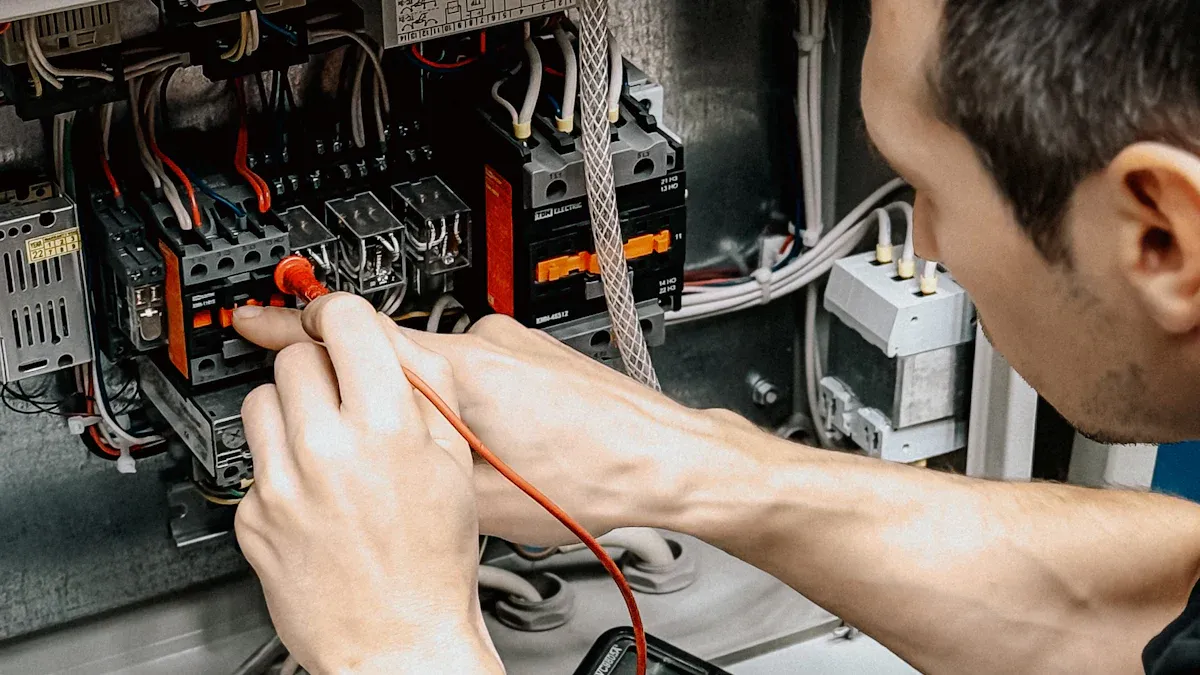
This section helps identify and resolve common problems with your ZVH6 Flow Diverter. Quick diagnosis and action can prevent further damage and maintain system efficiency.
ZVH6 Diverter Not Switching or Sticking
A diverter that fails to switch or gets stuck can halt operations. Several factors often cause this issue.
- Common Causes:
- Contamination: Dirt or debris in the hydraulic fluid can jam the spool.
- Low Pilot Pressure: Insufficient pressure may prevent the spool from moving fully.
- Worn Seals: Damaged seals can cause internal leakage, reducing the force needed to shift the spool.
- Mechanical Binding: Physical damage or misalignment can cause the spool to stick.
- Electrical Issues: A faulty solenoid or wiring problem can prevent the diverter from receiving the command to switch.
- Quick Fixes:
- Check the hydraulic fluid for cleanliness. Replace or filter contaminated fluid.
- Verify the pilot pressure meets the manufacturer’s specifications.
- Inspect the diverter for external leaks around the spool or actuator.
- Test the solenoid for proper operation. Listen for a click when activated.
- Ensure all electrical connections are secure.
Inaccurate Flow Diversion or Leakage in ZVH6 Flow Diverters
Incorrect flow routing or fluid leaks indicate internal problems. These issues reduce system performance and can waste hydraulic fluid.
- Common Causes:
- Worn Spool: A worn spool allows fluid to bypass its intended path.
- Damaged Seals: Internal or external seals can fail, leading to leakage.
- Incorrect Pressure Settings: System pressures outside the ZVH6′s operating range can cause improper diversion.
- Internal Contamination: Small particles can prevent the spool from seating correctly.
- Quick Fixes:
- Visually inspect the diverter for any external fluid leaks.
- Check the system pressure gauges. Ensure they match the required specifications.
- Consider a fluid analysis to detect contamination.
- If leakage persists, internal inspection by a qualified technician may be necessary.
ZVH6 Control System Errors or Communication Failure
Modern ZVH6 Flow Diverters often integrate with control systems. Errors here can stop the diverter from functioning.
- Common Causes:
- Loose Wiring: Connections can become loose due to vibration.
- Faulty Sensor: A sensor providing incorrect feedback can cause errors.
- Software Glitch: The control software might experience a temporary error.
- Power Supply Issues: Inconsistent or insufficient power can disrupt communication.
- Damaged Control Unit: The electronic control module itself might be faulty.
- Quick Fixes:
- Inspect all wiring and connectors for tightness and damage.
- Perform a system reset if possible. This can clear temporary software glitches.
- Verify the power supply to the control unit.
- Check diagnostic codes on the control system. These codes often point to specific issues.
Excessive Noise or Vibration from ZVH6 Flow Diverters
Unusual sounds or vibrations signal a problem. Ignoring these can lead to more serious damage.
- Common Causes:
- Cavitation: Air bubbles forming and collapsing in the fluid create noise and wear.
- Air in the System: Trapped air can cause erratic operation and noise.
- Loose Mounting: The diverter might not be securely fastened.
- Worn Internal Components: Damaged parts inside the diverter can vibrate.
- High Fluid Velocity: Fluid moving too fast can create turbulence and noise.
- Quick Fixes:
- Bleed air from the hydraulic system.
- Check all mounting bolts. Tighten any loose fasteners.
- Ensure the hydraulic fluid level is correct. Low fluid can introduce air.
- Verify the system is operating within its specified flow rates.
ZVH6 Flow Diverter Overheating or Unusual Odors
Heat and strange smells indicate excessive friction or electrical problems. These require immediate attention.
- Common Causes:
- Excessive Internal Leakage: Fluid bypassing internally generates heat.
- High Friction: Worn or misaligned parts can create friction.
- Incorrect Fluid Type: Using the wrong hydraulic fluid can lead to overheating.
- Restricted Flow: Blockages can cause fluid to work harder, generating heat.
- Electrical Overload: Overloaded solenoids or wiring can overheat and produce burning smells.
- Quick Fixes:
- Feel the diverter for unusually hot spots.
- Check the hydraulic fluid type and level.
- Inspect for any visible blockages in the lines leading to or from the diverter.
- If an electrical burning smell is present, immediately shut down the system and inspect wiring.
Reduced Flow Rate or Pressure Drop in ZVH6 Flow Diverters
A drop in flow or pressure through the diverter affects overall system performance.
- Common Causes:
- Partial Blockage: Debris can partially obstruct fluid pathways.
- Worn Pump: The hydraulic pump may not be delivering enough flow or pressure.
- Incorrect Valve Setting: The diverter might be set incorrectly, restricting flow.
- Internal Leakage: Fluid bypassing internally reduces output flow.
- Filter Clogging: Clogged system filters can starve the diverter of fluid.
- Quick Fixes:
- Check all hydraulic filters. Replace any clogged filters.
- Inspect the lines and ports for any visible obstructions.
- Verify the diverter’s settings match the system requirements.
- Monitor the pump’s performance. It might be the source of the issue.
Advanced Troubleshooting for ZVH6 Flow Diverters
When basic fixes do not resolve issues, technicians must perform advanced troubleshooting. This section explores more complex problems and their solutions for ZVH6 Flow Diverters.
Addressing Electrical Issues in ZVH6 Flow Diverters
Electrical problems often require specialized tools and knowledge. Technicians must approach these issues systematically.
- Multimeter Diagnostics:
- Measure voltage at the solenoid coil. It should match the specified control voltage.
- Check the resistance of the solenoid coil. An open circuit or very low resistance indicates a faulty coil.
- Verify continuity in wiring harnesses. Breaks or corrosion can interrupt signals.
- Wiring and Connector Inspection:
- Examine all electrical connectors for corrosion, loose pins, or damage.
- Ensure wiring insulation remains intact. Frayed wires can cause short circuits.
- Trace wiring paths to confirm correct connections to the control system.
- Control Module Analysis:
- Consult the ZVH6′s control system manual for diagnostic procedures.
- Look for error codes or status indicators on the control module. These often pinpoint specific electrical faults.
- A professional may need to test the control module itself for internal failures.
Safety Note: Always disconnect power before inspecting or working on electrical components. This prevents electric shock and damage to the system.
Resolving Flowmeter Drift and Inaccurate Readings
Flowmeter drift causes readings to deviate from the actual flow rate over time. Inaccurate readings compromise process control.
- Calibration Verification:
- Compare the ZVH6 Flow Diverters’ flowmeter readings with a known, calibrated reference flowmeter.
- Recalibrate the flowmeter according to Hanshang Hydraulic’s specifications. Their advanced testing facilities, including a hydraulic valve test bench, ensure precise calibration.
- Sensor Cleaning and Inspection:
- Disassemble the flowmeter carefully. Clean the sensor element to remove any accumulated debris or film.
- Inspect the sensor for physical damage or wear. A damaged sensor requires replacement.
- Fluid Condition Assessment:
- Check the hydraulic fluid for air bubbles or cavitation. These conditions disrupt flow and cause inaccurate readings.
- Verify the fluid temperature and viscosity. Significant deviations from operating norms can affect flowmeter accuracy.
- Environmental Factors:
- Ensure stable operating temperatures around the flowmeter. Extreme temperature fluctuations can impact sensor performance.
- Minimize vibrations near the flowmeter. Excessive vibration can lead to mechanical wear and drift.
Clearing Obstructions and Blockages in ZVH6 Flow Diverters
Blockages reduce flow efficiency and can damage components. Technicians must identify and remove them effectively.
- System Flushing:
- Perform a system flush with clean hydraulic fluid. This can dislodge loose particles.
- Ensure the flushing process directs debris away from sensitive components.
- Disassembly and Manual Cleaning:
- Carefully disassemble the ZVH6 Flow Diverter. Access internal passages and ports.
- Manually remove any visible debris, sludge, or foreign particles. Use appropriate cleaning tools that do not scratch internal surfaces.
- Inspect the spool and bore for scoring or wear caused by blockages.
- Reassemble the diverter with new seals and gaskets. Ensure proper torque specifications.
- Filter Inspection:
- Check all upstream filters in the hydraulic system. Clogged filters are a common source of blockages.
- Replace filters regularly as part of preventative maintenance. This prevents debris from reaching the diverter.
- Fluid Analysis:
- Conduct a hydraulic fluid analysis. This identifies contaminants that cause blockages.
- Implement better filtration practices if the analysis reveals high contamination levels.
Preventative Maintenance for ZVH6 Flow Diverters Longevity
Preventative maintenance ensures the long-term reliability and efficiency of your ZVH6 Flow Diverters. Regular care helps avoid costly repairs and unexpected downtime. Hanshang Hydraulic emphasizes proactive measures to keep systems running smoothly.
Essential Regular Inspection Checklist for ZVH6 Flow Diverters
Regular inspections are crucial for ZVH6 Flow Diverters. They help maintain optimal performance and prevent unexpected failures. Technicians should visually check for leaks around seals and connections. They also inspect the housing for any signs of damage or corrosion. Monitoring fluid levels and quality is also essential.
“We check flow diverters every three months. Regular inspections help us catch early signs of wear or blockage and keep our hydraulic system running efficiently.”
This proactive approach identifies potential issues before they escalate.
Recommended Cleaning Procedures for ZVH6 Flow Diverters
Cleanliness directly impacts the lifespan of these diverters. Regular cleaning prevents the buildup of contaminants. Technicians should clean the exterior surfaces to remove dirt and grime. They use appropriate cleaning agents that do not harm seals or paint. For internal cleaning, flushing the hydraulic system with clean fluid helps remove debris. This process ensures smooth operation of internal components.
Scheduled Component Replacement for ZVH6 Flow Diverters
Proactive component replacement extends the service life of the units. Seals and gaskets are wear items. They should be replaced at recommended intervals. This prevents leaks and maintains system pressure. Technicians also consider replacing springs or other small mechanical parts. These parts can lose their effectiveness over time. Following a strict replacement schedule minimizes downtime.
Firmware Updates and Software Best Practices for ZVH6 Flow Diverters
Modern ZVH6 Flow Diverters often include integrated control systems. Keeping their firmware updated is vital. Updates can improve performance, fix bugs, and enhance security. Technicians should regularly check for new firmware releases from Hanshang Hydraulic. They also ensure proper backup procedures for software configurations. This practice safeguards against data loss and ensures quick recovery.
When to Seek Professional Help for ZVH6 Flow Diverters
Sometimes, issues with your ZVH6 Flow Diverters go beyond simple fixes. Knowing when to call a professional can save time and prevent further damage. Experts offer specialized knowledge and tools for complex problems.
Complex Electrical Issues Beyond Basic Troubleshooting
Electrical problems can become very intricate. Basic checks with a multimeter might not reveal the root cause. Technicians possess specialized diagnostic equipment. They can analyze complex control system logic. This expertise goes beyond simple voltage or continuity tests. Professionals ensure correct wiring and sensor functionality.
Internal Mechanical Damage Requiring Expert Intervention
Significant internal mechanical damage often requires expert intervention. A worn spool or a cracked housing needs precise repair. Professionals have the specialized tools for disassembly and reassembly. They ensure proper calibration after repairs. Attempting these repairs without proper training can cause more harm.
Persistent Problems After Comprehensive ZVH6 Troubleshooting
If problems continue after thorough troubleshooting, seek professional assistance. Some issues have hidden causes. Experts can perform deeper diagnostics. They identify root causes that are not immediately obvious. Their experience helps resolve elusive problems efficiently.
Safety Concerns or Hazardous Conditions with ZVH6 Flow Diverters
Any safety concerns demand immediate professional attention. Leaks that create slippery surfaces are hazardous. Uncontrolled movements of machinery pose risks. Unusual heat or smells also indicate danger. Professionals ensure safe operation and prevent accidents. They address hazardous conditions promptly.
This guide helps resolve common ZVH6 Flow Diverter issues. Users ensure reliable, efficient operation of their ZVH6 systems. Hanshang Hydraulic provides solutions for lasting performance. This keeps ZVH6 Flow Diverters working well into 2026 and beyond. The company’s commitment ensures continued success.
FAQ
How often should users perform maintenance on ZVH6 Flow Diverters?
Users should follow Hanshang Hydraulic’s recommended schedule. Regular inspections and cleaning prevent issues. This ensures optimal performance and longevity for ZVH6 Flow Diverters.
What type of hydraulic fluid works best for ZVH6 Flow Diverters?
Hanshang Hydraulic recommends specific hydraulic fluid types. Users should consult the ZVH6 manual. Correct fluid prevents wear and ensures efficient operation of the ZVH6 Flow Diverters.
Can users replace ZVH6 Flow Diverter components themselves?
Users can perform basic component replacements. Complex repairs require professional technicians. Hanshang Hydraulic advises expert intervention for internal mechanical damage to ZVH6 Flow Diverters.