


MANUALLY OPERATED DIRECTIONAL VALVES are essential for controlling fluid power, precisely directing the flow of hydraulic fluid. The DWMG series offers precise, user-controlled fluid direction. These robust valves provide reliable performance. Discover the primary applications where these MANUALLY OPERATED DIRECTIONAL VALVES excel.
Key Takeaways
- Manually operated directional valves help you control hydraulic fluid flow. You can start or stop machines with them.
- These valves are simple to use and very reliable. They work well in small machines and for safety in bigger systems.
- They are good for testing new designs and controlling extra parts of large machines. They save money and last a long time.
Direct On/Off Control with Manually Operated Directional Valves
Starting and Stopping Hydraulic Actuators
Manually operated directional valves provide direct control over hydraulic actuators. Operators use these valves to initiate or halt the movement of cylinders and motors. This direct interaction ensures immediate response from the hydraulic system. For example, an operator can precisely extend or retract a hydraulic cylinder with a simple lever movement. This method offers reliable and straightforward control for various applications.
Simple Control in Small Machinery
Small machinery often benefits from the simplicity of manually operated directional valves. These valves offer an intuitive interface for operators. They are ideal for equipment where complex automation is unnecessary or cost-prohibitive. Examples include small agricultural implements, workshop presses, or material handling devices. The direct mechanical link between the operator and the fluid flow simplifies machine operation and maintenance.
Essential for Basic Hydraulic Circuits
Manually operated directional valves are fundamental components in basic hydraulic circuits. They establish the primary flow path for hydraulic fluid. Engineers design these circuits for functions requiring clear, operator-driven commands. The robust construction of these valves ensures long-term reliability in demanding environments. They form the backbone of many hydraulic systems, providing essential control without the need for electronic interfaces.
Manual Override in Automated Systems Using Manually Operated Directional Valves
Safety Bypass and Emergency Intervention
Automated systems sometimes require human intervention. Manually operated directional valves provide a crucial safety bypass. They allow operators to take control during emergencies. For instance, during power outages, these valves enable manual operation as an emergency pump. This ensures critical functions continue even without electrical power. They serve as a vital backup solution if the primary automated system fails. This capability prevents potential hazards and minimizes downtime.
Troubleshooting and Maintenance Operations
Technicians use manual overrides extensively during troubleshooting and maintenance. They can isolate specific parts of a hydraulic circuit. This allows for safe inspection and repair. During service operations, these valves facilitate testing individual components. Operators can manually cycle actuators to diagnose issues. This direct control simplifies the diagnostic process. It also reduces the risk of further damage to the system.
Critical for System Reliability
Manual overrides significantly enhance system reliability. They are particularly useful in remote environments where external power sources are unavailable. In simpler hydraulic systems without electrical power, these valves offer the only control method. They provide a reliable solution for generating pressure when electric or engine-driven power units are unavailable or impractical. This ensures continuous operation under various challenging conditions. MANUALLY OPERATED DIRECTIONAL VELVES thus guarantee operational continuity.
Precise Directional Control in Mobile Equipment with Manually Operated Directional Valves
Steering and Implement Functions
Mobile equipment frequently utilizes manually operated directional valves for critical steering and implement functions. Operators gain direct control over hydraulic cylinders and motors. This allows for precise manipulation of loaders, excavators, and agricultural machinery. For example, a tractor operator can directly control the raising, lowering, or tilting of an implement. This direct mechanical link ensures immediate response from the hydraulic system. It provides reliable performance in demanding outdoor environments.
Operator-Preferred Direct Input
Operators often prefer the direct input offered by manually operated directional valves. This tactile control provides immediate feedback. It allows for intuitive adjustments during complex tasks. Unlike electronic controls, these valves offer a physical connection to the machine’s hydraulic functions. This enhances an operator’s sense of control and precision. It is particularly valuable in applications requiring fine movements or quick reactions. Operators can feel the system’s response directly through the lever.
Enhancing Control in Compact Vehicles
Manually operated directional valves significantly enhance control in compact vehicles. Their robust design and straightforward operation make them ideal for smaller machinery. These valves provide essential hydraulic control without requiring complex electronic systems. This saves valuable space and reduces overall system complexity. Compact vehicles like skid steers, mini excavators, and utility vehicles benefit from their reliability and cost-effectiveness. MANUALLY OPERATED DIRECTIONAL VELVES ensure efficient and precise operation in confined spaces.
Test Bench and Prototyping Applications for Manually Operated Directional Valves
Rapid Setup for Component Testing
Engineers frequently use manually operated directional valves in test bench environments. They allow for rapid setup when testing individual hydraulic components. Technicians can quickly connect and disconnect these valves. This flexibility speeds up the process of evaluating pumps, motors, or cylinders. The direct mechanical control simplifies the testing sequence. It eliminates the need for complex electrical wiring or programming. This makes them ideal for quick validation of new or repaired parts.
Manual Flow Path Manipulation for Experiments
Prototyping often involves experimenting with different fluid flow paths. Manually operated directional valves provide an excellent tool for this. Researchers can easily reconfigure hydraulic circuits by adjusting valve levers. This direct manipulation allows for real-time observation of system behavior. They can quickly switch between different operational modes. This capability helps in understanding fluid dynamics and pressure responses. It supports iterative design processes effectively.
Facilitating New Circuit Design
MANUALLY OPERATED DIRECTIONAL VELVES play a crucial role in developing new hydraulic circuit designs. Designers use them to build and test preliminary circuit layouts. Their straightforward operation allows for easy modification of flow directions. This helps in validating design concepts before committing to more complex automated solutions. Engineers can quickly identify potential issues or optimize performance. These valves offer a cost-effective and efficient way to prototype and refine hydraulic systems. They accelerate the development cycle for innovative machinery.
Auxiliary Function Control with Manually Operated Directional Valves in Larger Systems
Managing Secondary System Operations
Larger hydraulic systems often require control over secondary operations. Manually operated directional valves effectively manage these functions. They direct fluid flow to various auxiliary components. For example, a SpoolValve can connect multiple flow sources to different users. This allows operators to direct fluid for tasks like operating a clamp or rotating an attachment. A StopValve acts as a simple on/off switch. It controls the flow to specific parts of the system. This provides precise control over non-primary functions. These valves ensure efficient management of all system operations.
Cost-Effective Control Solutions
Manually operated directional valves offer a cost-effective solution for auxiliary control. They eliminate the need for complex electronic controls or expensive automated systems. For functions that do not require continuous automation, these valves provide a simpler alternative. Their mechanical nature reduces installation and maintenance costs. Businesses can integrate additional capabilities into their machinery without significant financial investment. This makes them an attractive option for budget-conscious projects.
Integrating Non-Core Machine Functions
These valves are excellent for integrating non-core machine functions. They allow operators to control supplementary tools or features. Consider a large excavator. Its primary function is digging. However, it might also need to operate a hydraulic hammer or a grapple. Manually operated directional valves provide the necessary control for these attachments. They add versatility to the machine. This integration enhances the machine’s overall utility. It does so without complicating the main operational controls.
Understanding DWMG Series Manually Operated Directional Valves
Direct-Acting Mechanism
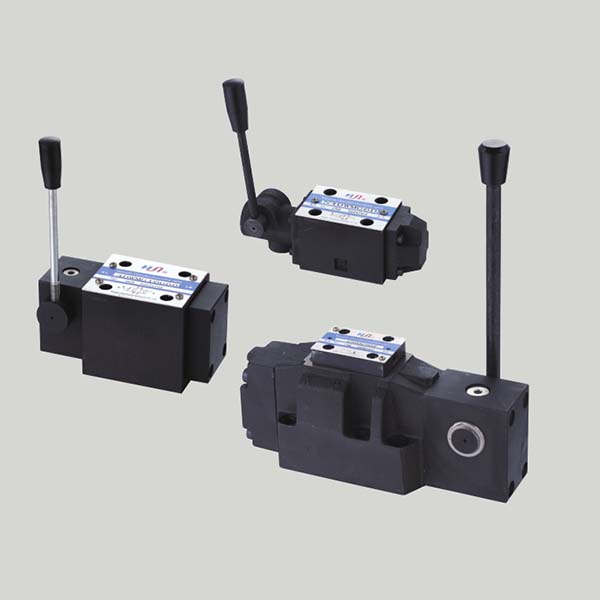
The DWMG series valves employ a direct-acting mechanism. This design means the operator’s physical input directly moves the spool inside the valve. This direct action ensures immediate and precise control over fluid flow. It eliminates the need for pilot pressure or complex linkages. The direct-acting nature contributes to the valve’s reliability and responsiveness. Operators experience a direct connection to the hydraulic system. This mechanism simplifies the valve’s internal structure.
Detent and Spring Return Options
DWMG series valves offer two primary control options: detent and spring return. Detent valves hold their position once an operator selects it. This feature is useful for applications requiring a constant flow direction without continuous operator engagement. Spring return valves, conversely, return to a neutral or home position when the operator releases the lever. This option provides a safety feature, ensuring the system reverts to a default state. Engineers choose between these options based on specific application requirements and safety protocols.
Available Valve Sizes (DWMG10, DWMG16, DWMG22, DWMG25, DWMG32)
The DWMG series provides a range of valve sizes to accommodate various flow rates and system pressures. These sizes ensure compatibility with diverse hydraulic systems.
- DWMG10: Suitable for smaller flow requirements.
- DWMG16: Offers increased flow capacity for medium-sized applications.
- DWMG22: Handles higher flow rates, common in industrial machinery.
- DWMG25: Provides robust performance for demanding hydraulic circuits.
- DWMG32: Designed for the largest flow volumes and heavy-duty operations. This selection allows engineers to specify the optimal valve for their particular design.
Advantages of Manually Operated Directional Valves
Reliability and Durability
Manually operated directional valves offer exceptional reliability. Their design incorporates fewer complex components compared to automated systems. This mechanical simplicity reduces potential points of failure. These valves often feature robust construction materials. They withstand harsh operating conditions, including extreme temperatures and corrosive environments. This inherent durability ensures a long service life. Operators can depend on consistent performance over many years. This makes them a dependable choice for critical applications.
Simplicity of Operation
Operators find manually operated directional valves straightforward to use. Their direct mechanical action provides intuitive control. This design inherently simplifies operations. Opening and closing actions are unified. This straightforward mechanism makes it easy to identify any discrepancies or errors. It reduces the complexity typically associated with valve operation. This simplicity directly translates to lower training requirements for personnel. It also decreases the likelihood of operational mistakes. Operators quickly master their use.
Cost-Effectiveness for Specific Applications
Manually operated directional valves provide a cost-effective solution for many applications. Their initial purchase price is generally lower than automated or electronically controlled valves. Installation costs are also minimal. They do not require complex wiring or programming. Maintenance expenses remain low due to their simple design. These valves are ideal for systems where automation is unnecessary. They offer an economical choice for auxiliary functions or basic hydraulic circuits. This makes them a smart investment for budget-conscious projects.
DWMG series manually operated directional valves offer robust and straightforward hydraulic control. They excel in direct control applications, manual overrides, mobile equipment, test benches, and auxiliary functions. These valves ensure effective fluid power management across diverse industrial and mobile settings. Their reliability and simplicity make them essential components.
FAQ
What is a manually operated directional valve?
A manually operated directional valve controls fluid flow in a hydraulic system. An operator physically moves a lever or knob. This action directs hydraulic fluid to specific components.
What are the key benefits of DWMG series valves?
DWMG series valves offer reliability, durability, and simple operation. They provide cost-effective control for many applications. Their robust design ensures long-term performance.
Can manually operated valves serve as safety overrides?
Yes, these valves are crucial for safety overrides. They allow manual intervention in automated systems. This ensures emergency control and facilitates maintenance operations.