


 The FC51 FULL RANGE PRESSURE COMPENSATING VARIABLE FLOW CONTROL VALVE plays a vital role in reducing energy consumption in construction machinery. This innovative valve leads to significant cost savings and enhances operational efficiency. Companies adopting the FC51 valve will notice improved performance and lower fuel expenditures.
Key Takeaways
- The FC51 valve can reduce fuel consumption by up to 20%, leading to significant cost savings for operators.
- Its pressure compensation feature ensures consistent flow rates, enhancing hydraulic efficiency and extending machinery lifespan.
- Investing in the FC51 valve results in lower maintenance costs and a quick return on investment due to reduced operational expenses.
Overview of the FC51 Full Range Pressure Compensating Variable Flow Control Valve
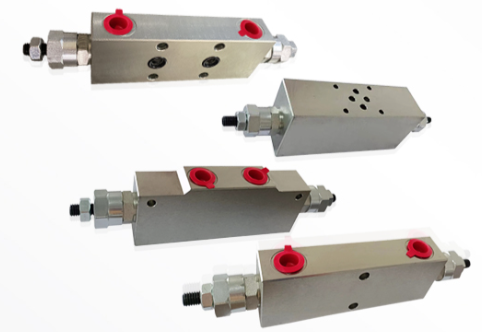
The FC51 Full Range Pressure Compensating Variable Flow Control Valve stands out due to its innovative design and functionality. This valve offers several key features that enhance its performance in hydraulic systems.
Key Features
- Variable Orifice Area: The orifice area adjusts with lever rotation, allowing for precise flow control.
- Pressure Compensation: This feature maintains a constant flow, accommodating both controlled and excess flow scenarios.
- Hunting Dampening: The design minimizes hunting between the pump and valve, ensuring smooth operation.
In addition to these features, the FC51 valve boasts a robust construction. The body is made from cast iron, providing durability and resistance to wear. The valve also includes external seals on the rotary spool to prevent contamination, ensuring reliable performance over time.
| Specification | Details |
|---|---|
| Design | Full range pressure compensating variable flow control |
| Functionality | Orifice area varies as the lever is rotated, allowing controlled flow proportional to orifice area |
| Spool Bore | Diamond honed for consistent fit with low leakage |
| Testing | Every unit is tested for shutoff, max flow, and pressure compensation |
| Ports | Standard 3-port and optional 2-port configurations available |
| Materials | Standard 416 stainless steel rotary lever spool, optional 316 stainless steel for corrosion resistance |
| Body Material | Cast Iron |
| Relief Options | Adjustable ball spring relief and high lift ball spring relief available for CF port |
| O’Rings | Buna N O’Rings (Standard) |
| Additional Features | Heat treated compensator spool, optional free reverse flow |
| Flow Capacity | Refer to flow chart for capacity |
Operational Mechanism
The operational mechanism of the FC51 valve is straightforward yet effective. As the lever rotates, it alters the orifice area, which directly influences the flow rate. This design allows operators to adjust the flow from closed to fully open, providing flexibility in various applications. The valve’s ability to maintain a constant speed despite load variations enhances its efficiency, making it an ideal choice for construction machinery.
Energy Efficiency Benefits of the FC51 Valve
The FC51 Full Range Pressure Compensating Variable Flow Control Valve offers numerous energy efficiency benefits that significantly impact operational costs and machinery performance. Understanding these advantages can help companies make informed decisions about their hydraulic systems.
Reduced Fuel Consumption
One of the most notable benefits of the FC51 valve is its ability to reduce fuel consumption. By maintaining a constant flow rate, the valve optimizes the hydraulic system’s performance. This optimization leads to less energy wasted during operation. Operators can expect a decrease in fuel usage, which translates to lower operational costs.
- Fuel Savings: Users report up to a 20% reduction in fuel consumption when utilizing the FC51 valve compared to traditional valves.
- Environmental Impact: Reduced fuel consumption also contributes to lower emissions, promoting a more sustainable operation.
Improved Hydraulic Efficiency
The FC51 valve enhances hydraulic efficiency through its innovative design. The pressure compensation feature allows the valve to adjust flow rates dynamically based on system demands. This adaptability ensures that the hydraulic system operates at peak efficiency, regardless of load variations.
- Consistent Performance: The valve maintains optimal flow rates, preventing fluctuations that can lead to inefficiencies.
- Enhanced System Longevity: Improved hydraulic efficiency reduces wear and tear on components, extending the lifespan of the machinery.
Long-term Cost Savings
Investing in the FC51 Full Range Pressure Compensating Variable Flow Control Valve yields long-term cost savings. While the initial investment may be higher than traditional valves, the operational savings quickly offset this cost.
- Lower Maintenance Costs: The robust construction and reliable performance of the FC51 valve lead to fewer breakdowns and maintenance needs.
- Return on Investment: Companies can expect a return on investment within a short period due to reduced fuel and maintenance costs.
Case Studies Demonstrating FC51 Valve Energy Savings
Real-World Applications
The FC51 Full Range Pressure Compensating Variable Flow Control Valve has found success in various industries. Construction machinery operators have reported significant improvements in efficiency. For instance, a leading construction company implemented the FC51 valve in their hydraulic excavators. They noticed smoother operation and reduced fuel consumption during heavy lifting tasks.
Another example involves agricultural machinery. A farm equipment manufacturer integrated the FC51 valve into their tractors. This upgrade allowed for better control of hydraulic functions, leading to enhanced productivity and lower operational costs.
Measurable Energy Savings
Numerous documented case studies highlight the measurable energy savings achieved with the FC51 valve. Operators have reported impressive reductions in energy consumption through various methods. The following table summarizes some of these findings:
| Energy Saving Method | Energy Savings (%) |
|---|---|
| Pressure-based air supply cut-off circuit | 71% |
| Classic double-sided pressure reduction | 45% |
These results demonstrate the FC51 valve’s effectiveness in optimizing hydraulic systems. Companies can expect substantial energy savings, contributing to both cost reduction and environmental sustainability.
Comparison of the FC51 Valve with Traditional Valves
The FC51 Full Range Pressure Compensating Variable Flow Control Valve offers distinct advantages over traditional valves. Understanding these differences can help operators make informed decisions about their hydraulic systems.
Energy Consumption Differences
Energy consumption is a critical factor in evaluating hydraulic valves. The FC51 valve excels in this area compared to traditional valves.
- Constant Flow Maintenance: The FC51 valve maintains a consistent flow rate, which reduces energy waste. Traditional valves often struggle to provide stable flow, leading to increased fuel consumption.
- Dynamic Adjustment: The pressure compensation feature in the FC51 valve allows it to adjust flow rates based on system demands. Traditional valves typically lack this capability, resulting in inefficient energy use.
Operators using the FC51 valve can expect up to a 20% reduction in fuel consumption compared to traditional options. This significant difference highlights the FC51 valve’s efficiency in energy management.
Performance Metrics
Performance metrics provide insight into how well a valve operates under various conditions. The FC51 valve outperforms traditional valves in several key areas.
| Performance Metric | FC51 Valve | Traditional Valves |
|---|---|---|
| Flow Stability | Excellent | Variable |
| Response Time | Quick | Slower |
| Efficiency Under Load | High | Moderate |
| Maintenance Frequency | Low | High |
- Flow Stability: The FC51 valve offers excellent flow stability, ensuring smooth operation. Traditional valves often experience fluctuations, which can disrupt machinery performance.
- Response Time: The FC51 valve responds quickly to changes in demand, allowing for better control. Traditional valves may lag, affecting overall efficiency.
- Efficiency Under Load: The FC51 valve maintains high efficiency even under varying loads. Traditional valves may struggle, leading to increased energy consumption.
- Maintenance Frequency: The robust design of the FC51 valve results in lower maintenance needs. Traditional valves often require more frequent servicing, increasing operational costs.
The FC51 valve marks a significant advancement in hydraulic technology. It provides substantial energy savings and enhances operational efficiency for construction machinery. Companies that invest in the FC51 valve can expect improved performance and reduced costs. This valve represents a smart choice for future hydraulic systems.