

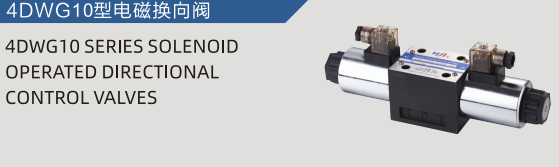
Selecting DIRECTIONAL CONTROL VALVES in 2026 demands a focus on crucial specifications. Valve technology continually evolves, requiring engineers to prioritize features for optimal system performance and future readiness. For instance, the 4DWG10 valve from hanshang exemplifies the precision and reliability essential for modern hydraulic applications.
Key Takeaways
- Choose valves with correct flow and pressure ratings. This ensures your hydraulic system works well and safely.
- Consider how the valve connects and what it is made of. This helps the valve fit into your system and last a long time.
- Look for smart features and energy efficiency. These help your system run better and save money over time.
Core Performance and Operational Control for DIRECTIONAL CONTROL VALVES
Selecting the right valve requires a deep understanding of its core performance characteristics and operational control mechanisms. These specifications directly influence a hydraulic system’s efficiency, responsiveness, and overall capability. Engineers must carefully evaluate these factors to ensure optimal function.
Flow Rate and Pressure Ratings
Flow rate and pressure ratings are fundamental specifications for any hydraulic valve. The flow rate, measured in liters per minute (L/min) or gallons per minute (GPM), dictates how much fluid the valve can pass without excessive pressure drop. This directly affects the speed of hydraulic actuators, such as cylinders or motors. A higher flow rate allows for faster operation of machinery. For example, the 4DWG10 valve handles a maximum flow rate of 120 L/min, making it suitable for medium-flow hydraulic systems.
Pressure ratings define the maximum operating pressure a valve can safely withstand. This specification is critical for system safety and component longevity. Valves have different pressure ratings for various ports. The 4DWG10 valve, for instance, features a robust operating pressure of 31.5 MPa for its A, B, and P ports, and 16 MPa for the T port. These ratings ensure the valve performs reliably under significant hydraulic loads, preventing leaks or structural failures. Matching the valve’s pressure rating to the system’s maximum working pressure is essential for safe and efficient operation.
Actuation Method
The actuation method describes how a valve shifts its internal components to direct fluid flow. This choice impacts control precision, response time, and integration with control systems. Common methods include manual, hydraulic, pneumatic, and solenoid actuation. Solenoid-operated valves are prevalent in modern industrial applications. An electrical signal energizes a solenoid, which then moves the valve’s spool. This method offers precise electrical control and easy integration with programmable logic controllers (PLCs). Other actuation types, like manual levers, provide direct human control, while hydraulic or pneumatic pilot signals can operate larger valves with less electrical power. The selection of an actuation method depends on the required control interface and the power available for valve operation.
Spool Configuration
Spool configuration refers to the internal design of the valve’s movable element, the spool, and the number of ports and positions it offers. This design determines the flow paths available to the hydraulic fluid. Common configurations include 2-way, 3-way, and 4-way valves, indicating the number of active ports. The number of positions (e.g., 2-position or 3-position) defines how many distinct flow paths the spool can create. For instance, a 4-way, 3-position valve typically allows for extending, retracting, and holding a double-acting cylinder.
Different spool types also exist, such as open center, closed center, and tandem center. An open-center spool allows fluid to return to the tank in the neutral position, reducing heat generation. A closed-center spool blocks all ports in neutral, holding the actuator in place. Tandem-center spools combine features, often allowing pump flow to pass through to another valve while blocking actuator ports. Understanding these configurations is vital for designing hydraulic circuits that achieve specific operational sequences and control characteristics.
Integration, Material, and Dynamic Performance of DIRECTIONAL CONTROL VALVES
Engineers consider integration, material selection, and dynamic performance crucial for modern hydraulic systems. These specifications determine how a valve fits into a system, withstands its operating environment, and responds to control signals. Careful evaluation ensures long-term reliability and optimal machine function.
Port Size and Connection Type
Port size and connection type dictate how a valve physically integrates into a hydraulic circuit. Port size refers to the diameter of the valve’s inlet and outlet openings. This dimension directly affects the fluid flow capacity and pressure drop across the valve. Selecting an incorrect port size can lead to excessive heat generation, reduced system efficiency, or insufficient power delivery. For instance, the 4DWG10 valve features a size 10 port, indicating its compatibility with specific piping and tubing dimensions. This size allows it to handle its maximum flow rate of 120 L/min effectively.
Connection types vary widely. Common methods include threaded ports, flange connections, and subplate mounting. Threaded ports offer a simple, direct connection for smaller valves. Flange connections provide a robust, leak-resistant seal for larger flows and higher pressures. Subplate mounting, often used for DIRECTIONAL CONTROL VALVES, allows for easy valve replacement without disturbing the hydraulic lines. This method also simplifies manifold design, creating compact and organized hydraulic systems. Choosing the right connection type ensures secure installation and minimizes potential leakage points.
Material Compatibility
Material compatibility is vital for the longevity and reliability of hydraulic valves. The valve body, spool, and seals must withstand the hydraulic fluid’s chemical properties, operating temperatures, and pressures. Common valve body materials include cast iron, steel, and aluminum. Each material offers different strengths regarding pressure resistance, corrosion resistance, and weight. For example, the 4DWG10 valve uses a phosphated cast body. This surface treatment enhances its corrosion resistance, making it suitable for demanding industrial environments like machine tools, construction machinery, and injection molding machines.
Seal materials are equally important. They prevent internal and external leakage. Common seal materials include NBR (Buna-N), FKM (Viton), and EPDM. The choice depends on the hydraulic fluid type (mineral oil, synthetic fluid, water-glycol), operating temperature range, and pressure. Incompatible materials can lead to seal degradation, causing leaks and system failure. Engineers must consult fluid manufacturers’ specifications and valve material data sheets to ensure proper compatibility.
Response Time and Cycle Rate
Response time and cycle rate define a valve’s dynamic performance. Response time measures the duration from when a control signal is applied until the valve’s spool fully shifts and fluid flow changes direction. A faster response time means the hydraulic system reacts more quickly to commands, improving precision and control. This is critical in applications requiring rapid and accurate movements, such as robotics or high-speed manufacturing processes. Factors influencing response time include the actuation method, spool design, and fluid viscosity.
Cycle rate refers to the maximum number of times a valve can shift per unit of time without degradation in performance or excessive wear. High cycle rates are necessary for applications with frequent, repetitive movements. A valve designed for a high cycle rate features robust internal components and durable seals to withstand constant motion. Manufacturers specify these rates to guide system designers. Exceeding a valve’s recommended cycle rate can lead to premature wear, reduced lifespan, and inconsistent operation. Therefore, matching the valve’s dynamic capabilities to the application’s demands ensures reliable and efficient system performance.
Advanced Features and Future-Proofing DIRECTIONAL CONTROL VALVES
Modern hydraulic systems demand more than basic functionality from their components. Engineers now look for advanced features that enhance performance, reduce operational costs, and ensure long-term reliability. These innovations future-proof systems against evolving industry requirements.
Smart Features and Connectivity (IoT)
Smart features and IoT connectivity are transforming DIRECTIONAL CONTROL VALVES. These valves integrate sensors and communication modules. They monitor critical parameters like pressure, temperature, and flow in real-time. This data transmits to central control systems or cloud platforms. Operators gain valuable insights into valve performance and system health. Predictive maintenance becomes possible. Systems can identify potential issues before they cause downtime. This proactive approach minimizes unexpected failures and optimizes maintenance schedules. IoT-enabled valves also allow for remote diagnostics and control. This enhances operational flexibility and efficiency.
Energy Efficiency and Sustainability
Energy efficiency and sustainability are increasingly important considerations. Modern valve designs focus on reducing power consumption. Low-power solenoids and optimized flow paths minimize energy waste. Manufacturers develop valves with improved internal geometries. These designs reduce pressure drops and heat generation. This directly translates to lower operating costs and a smaller environmental footprint. Sustainable manufacturing practices also play a role. Companies use recyclable materials and reduce waste in production. Selecting energy-efficient valves contributes to a greener industrial landscape.
Certifications and Compliance
Certifications and compliance ensure product quality and safety. Valves must meet various international and industry-specific standards. These include ISO, CE, and other regional regulations. Certifications confirm that a valve meets specific performance, safety, and environmental criteria. For example, ISO 9001:2008 certification, like that held by hanshang, demonstrates a commitment to quality management. Compliance with CE standards allows products to be sold within the European Economic Area. Engineers must verify these certifications. They ensure the selected valves adhere to all necessary legal and operational requirements. This guarantees reliable and safe operation within diverse applications.
Selecting DIRECTIONAL CONTROL VALVES in 2026 demands careful consideration of core performance, integration, and advanced features. Engineers must adopt a holistic approach to specification. This ensures long-term system success and future readiness. Expect continued innovation in valve technology, driving further advancements.
FAQ
What is the most critical specification for a directional control valve?
The most critical specifications are flow rate and pressure ratings. They determine the valve’s capacity and safe operating limits. These factors directly impact system performance.
Why is material compatibility important for valve selection?
Material compatibility ensures the valve’s longevity. It prevents corrosion and seal degradation. The valve must withstand the hydraulic fluid’s chemical properties and operating conditions.
How do smart features benefit modern directional control valves?
Smart features enable real-time monitoring and predictive maintenance. They provide valuable data for system optimization. This reduces downtime and improves operational efficiency.